Instagram Branded Content ads: a complete marketer's guide

Instagram's Branded Content ads let brands run a creator's post as a paid ad from the creator's own handle, extending reach, sharpening targeting and making the content shoppable.
It’s one of the most useful tools in influencer marketing, and one of the most underused. Where a standard ad reads as “from the brand”, a Branded Content ad keeps the creator’s name and face on it, so it lands like a recommendation rather than an interruption, but with the precision of paid media behind it.
This guide covers what Instagram Branded Content ads are, why they’re worth running, and how to set them up so they actually perform.
The short version:
- Branded Content ads turn a creator’s Paid Partnership post into a targeted, paid ad, run from the creator’s handle, not the brand’s.
- They do three things organic influencer posts can’t: extend reach beyond the creator’s followers, target a precise audience, and make the content shoppable.
- They feel native because the creator stays front and centre, but the Paid Partnership tag keeps them transparent.
- The set-up is more manual than a standard ad. A clear brief, the right partner permissions and a defined goal remove most of the friction.
What are Instagram Branded Content ads?
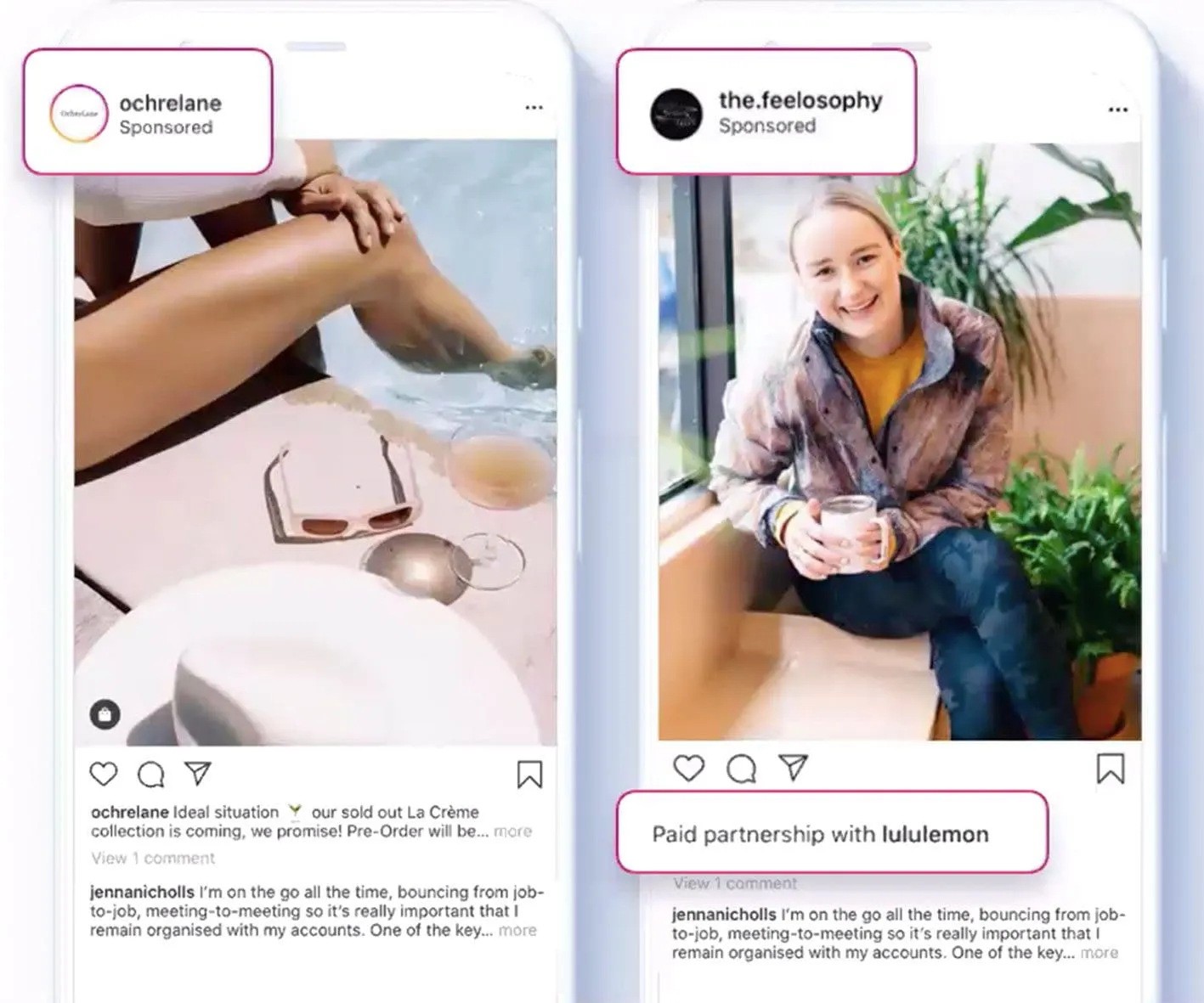
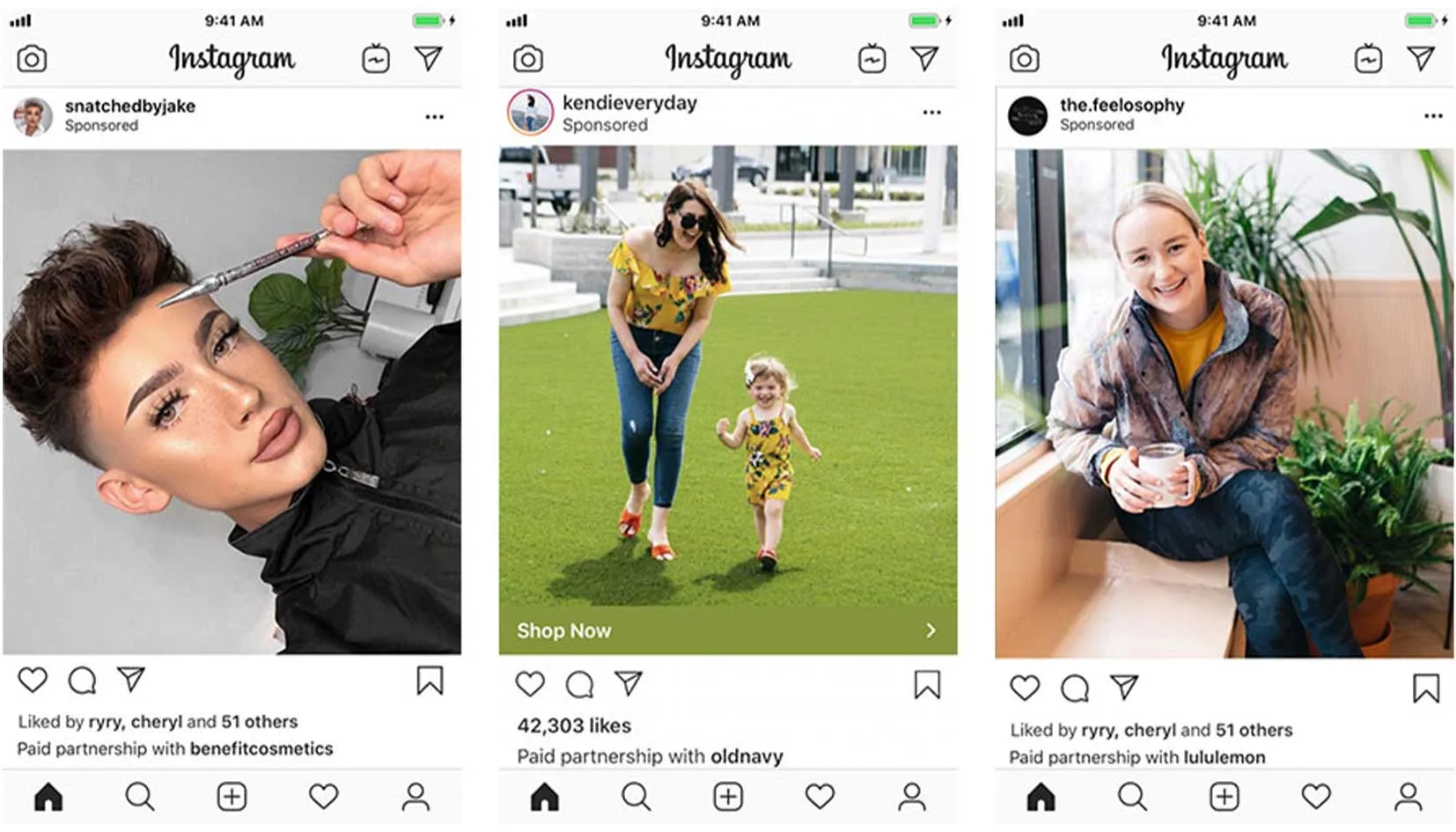
Branded Content ads let a brand promote a creator’s organic post, one tagged as a Paid Partnership, as a paid ad, while keeping the creator’s handle and profile picture on it. You see the creator, not the brand, with “Sponsored” and the Paid Partnership tag making clear it’s an ad.
It started with transparency. Instagram introduced the Paid Partnership tag in 2017 so audiences could see when a post was a paid collaboration. Branded Content ads built on that foundation: any post already tagged as a Paid Partnership can be amplified as an ad, straight from the creator who made it.
The result feels native. The audience still gets the “a creator I follow is sharing this” experience, but the brand gets the reach, targeting and measurement of paid media. That combination is the whole point.
How are Branded Content ads different from normal Instagram ads?
A standard Instagram ad runs from the brand’s account and reads as “Sponsored, from the brand”. A Branded Content ad runs from the creator’s account: same creative, but the audience sees the creator’s handle and photo, with the Paid Partnership tag in the caption.
That difference matters more than it looks. The format keeps the credibility of creator content, the reason influence works in the first place, and layers paid targeting on top. You’re not choosing between authentic and scalable. You’re getting both.
Why should marketers use Branded Content ads?
Three reasons, in order of impact.
Reach. Organic influencer content reaches the creator’s followers and not much further. Branded Content ads scale a post into the feeds of people who don’t follow that creator at all. So a strong piece of content isn’t capped by the size of one audience.
Targeting. A creator’s following rarely maps exactly onto your target audience. Their age, location and interests will only partly overlap with the people you actually want to reach. Branded Content ads let you target with precision, so the content reaches more of the right people, which means you can choose creators for the quality of their work, not the size of their following.
Frictionless shopping. With shoppable tags, a viewer who likes something can tap and buy without leaving the experience. Social commerce has made that expectation standard, and Branded Content ads take relatable creator content and make it directly shoppable, turning a browser into a buyer in a few taps.
How we see it: Branded Content ads are where organic influence and paid distribution stop being separate budgets. The brands that get the most from them treat creator content not as a one-off post but as an asset they can target, measure and scale, the same way they’d treat any other piece of performance media.
The set-up process is more manual than a standard ad. Here’s how to run it cleanly.
How do you set up Branded Content ads? Four steps
Set a transparent brief
Tell creators up front that you intend to use the Paid Partnership tag and run their content as Branded Content ads. When everyone knows the plan from the start, the early steps go smoothly. If you intend to boost Instagram Stories, for example, brief them to keep those frames free of GIFs and hashtags, which can’t be carried into an ad.
Learn from organic performance first
If you’re running the influencer content organically before boosting it, use the organic results to decide what’s worth promoting. Engagement rates vary from creator to creator, so it isn’t a perfect signal. But a post that resonated organically is a strong candidate for the paid phase.
Set a clear goal
Branded Content ads are well suited to driving conversions: sales, sign-ups, app installs. Define the objective before you start and judge it on business metrics and ROAS, not vanity metrics like raw engagement. The format earns its keep at the bottom of the funnel; brief it accordingly.
Streamline your Ads Manager
Add your creator list to Meta Ads Manager before they publish. When a creator tags you as their business partner, the permission is already in place and you won’t need to approve each one manually, a small bit of prep that removes a recurring bottleneck.
How Vamp sees Branded Content ads
Instagram describes Branded Content ads as art meeting science: the creator is the artist, the targeting is the science. We’d put it differently. The format only compounds when it’s run as part of a system: creators chosen for fit, content built to be amplified, targeting and measurement wired in from the brief, not bolted on after the post goes live.
That’s the difference between boosting the odd post and building creator-led growth that performs. Knowing how the tool works is table stakes; turning it into sustained, measurable performance is the harder, more valuable problem. And it’s the one Vamp solves. We’re a tech-enabled influencer marketing agency: we design creator-led growth systems and build the measurement behind them. Talk to us.
FAQs
What is an Instagram Branded Content ad?
It’s a paid ad built from a creator’s organic Paid Partnership post. It runs from the creator’s handle rather than the brand’s, so it keeps the credibility of creator content while adding paid targeting, reach and shoppable tags.
Do Branded Content ads still show as sponsored?
Yes. The ad carries the “Sponsored” label and the Paid Partnership tag in the caption, so the audience knows it’s paid. Transparency is built into the format.
What do I need to run a Branded Content ad?
A creator post tagged as a Paid Partnership, the creator’s permission to promote it, and the partnership set up in Meta Ads Manager. Adding your creators to Ads Manager before they publish removes the manual approval step.
What goals are Branded Content ads best for?
They’re strongest for conversion goals, sales, sign-ups and app installs, because they combine credible creator content with precise targeting and shoppable tags. Judge them on business metrics and ROAS rather than engagement alone.
Want to go deeper? See what Instagram’s Branded Content tool is and why marketers should use it, how creators benefit from Branded Content ads, how to approve creator partners, and the creator’s guide to requesting the Paid Partnership tag.