How creators benefit from branded content ads (partnership ads)

Creators benefit from branded content ads when a brand puts paid spend behind a post you already made, extending your work to new audiences, proving it performs, and making you the kind of partner brands ask back.
When you tag a brand with the paid partnership label and allow them to promote, they can turn your organic post into a branded content ad, now called a partnership ad on Instagram and Facebook, after Meta renamed the format in 2023. The post stays yours. Your handle, your voice, your creative. The brand simply adds media behind it so it reaches people beyond your organic following.
That distinction matters. A branded content ad isn’t the brand talking about you. It’s your content, working harder.
The short version:
- A branded content ad (partnership ad) is your organic post, boosted with the brand’s ad spend.
- The format runs from your account, with the “Paid partnership with [brand]” label intact.
- For you, the upside is reach, growth and proof: your work seen by new audiences, and performance you can point to.
- You control it: nothing gets promoted unless you switch on “Allow brand partner to promote” for that post.
What is a branded content ad?
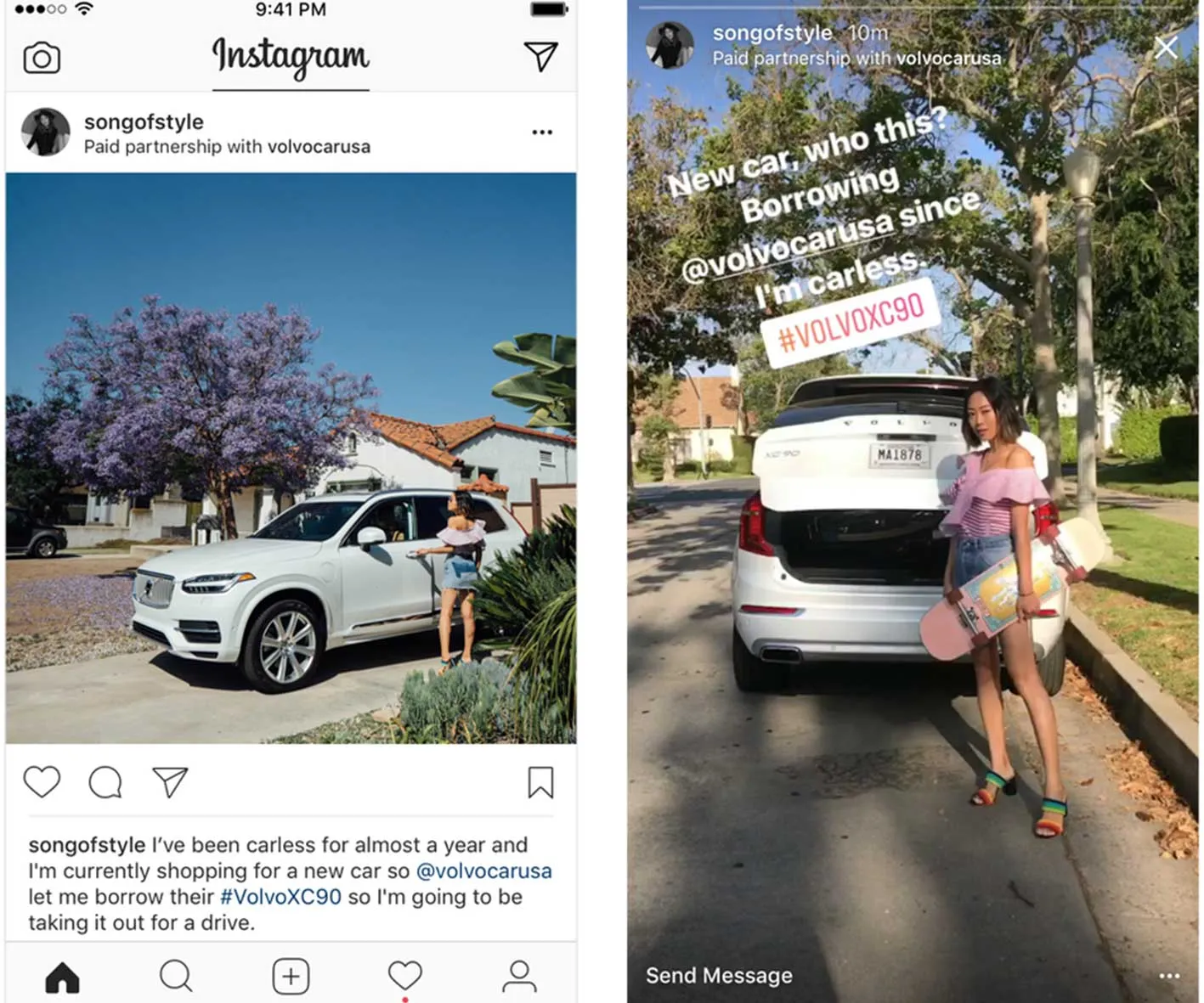
A branded content ad is an organic post that a creator has tagged with the paid partnership label, which the partnering brand then promotes as a paid ad. Meta renamed the format “partnership ads” in 2023, but the mechanics are the same and most briefs still call it branded content.
The paid partnership label has been part of Instagram since 2017. It does two jobs: it tells your audience the content is a paid collaboration, and it gives the tagged brand access to that post’s insights, so they see the performance data directly, without asking you for screenshots.
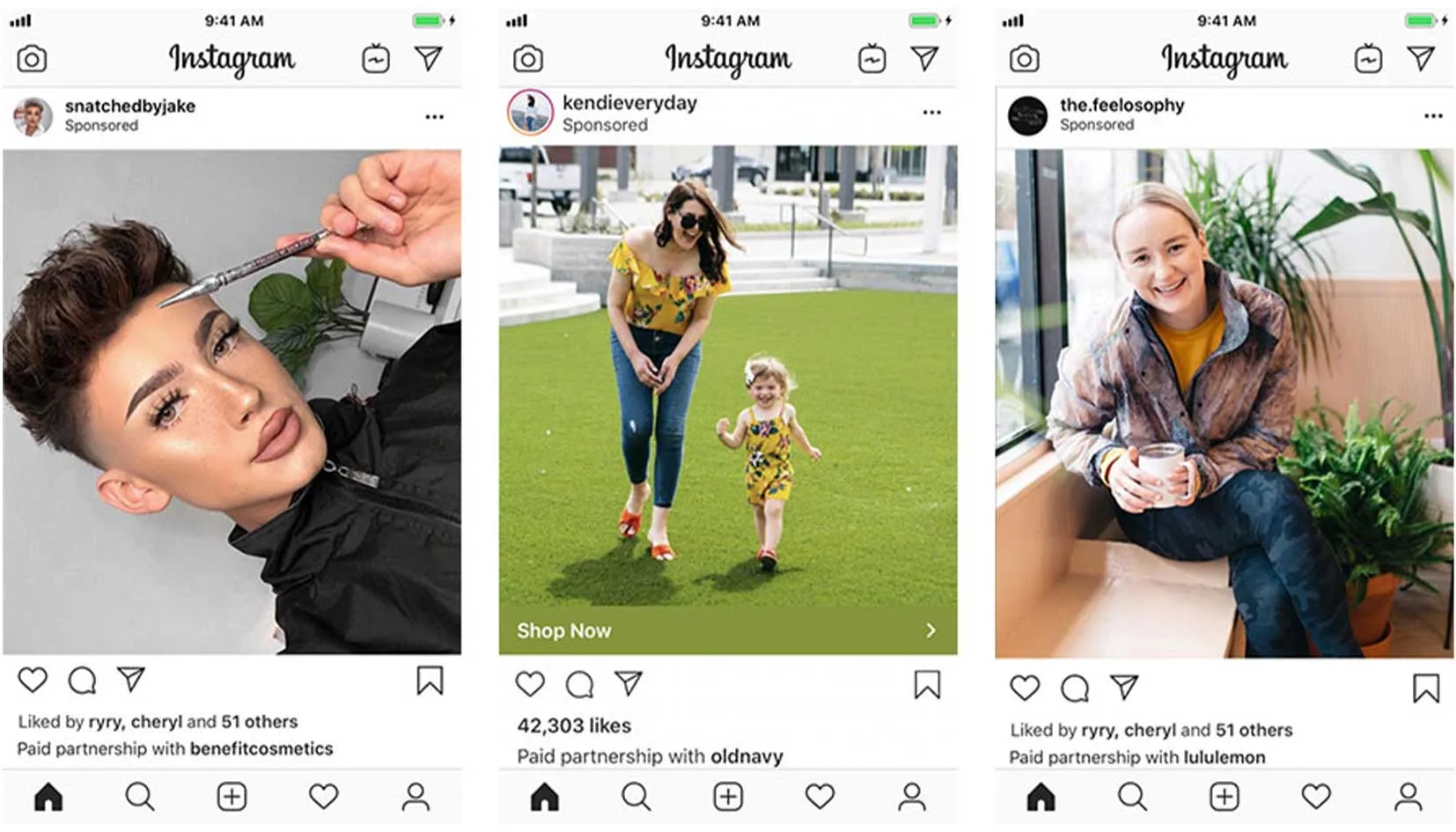
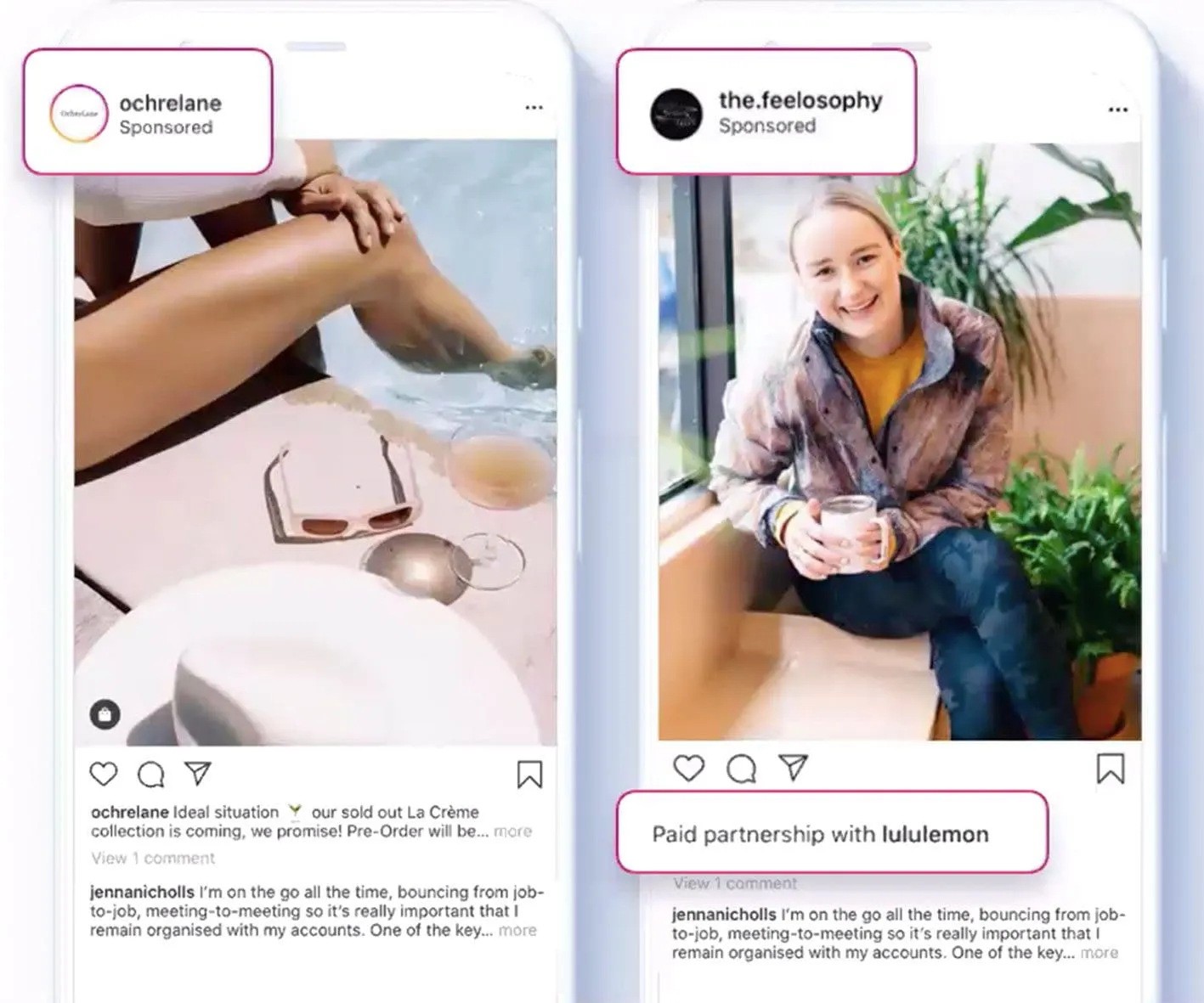
Allowing the brand to promote is the second, separate step. With your permission, they can put spend behind the post to increase reach, sharpen targeting, measure results and drive shopping. The ad looks almost identical to your organic post, same creative, same caption, with “Sponsored” shown above it, except it’s now reaching people who don’t yet follow you.
How do creators benefit from branded content ads?
The format is built for the brand’s reach. But the structure works in your favour too. Here’s what you actually get out of it.
Your audience trust stays intact
Adding the paid partnership label makes disclosure clean. Your audience already knows the difference between a genuine recommendation and an ad. Labelling it removes the awkward “is this #sponsored?” guesswork and signals that you’re straight with them. Trust is the asset your whole partnership value is built on. Protect it, and you’re worth more, not less.
Your reach and growth get a paid boost
A branded content ad puts the brand’s budget behind content you created. The work you’d have made anyway now lands in front of audiences you’d never have reached organically, which means more impressions, more profile visits, and often new followers. You get the upside of paid distribution without spending a cent of your own.
You build proof you can charge against
This is the one creators undervalue. When a brand promotes your post, its performance is measured properly: reach, engagement, clicks, conversions. Strong numbers are evidence: proof you can create content that performs and moves a brand’s metrics, not just your own. Performance you can point to is what gets you asked back, and what justifies your next rate. A measured win is worth more than a screenshot.
How to set up a branded content ad as a creator
Setting it up takes two things: tagging the brand with the paid partnership label, and switching on permission to promote. You stay in control of both. Here’s the current flow on Instagram.
1. Open advanced settings on your post
Create your post as usual. Before sharing, tap Advanced settings, then scroll to the Branded content section. (This option is only available on a business or creator account.)
2. Add the paid partnership label
Toggle on Add paid partnership label, then tap Add brand partners and search for the brand’s handle. The brand has to approve you as a partner before the tag goes live. Once they do, “Paid partnership with [brand]” appears under your handle on the post.
3. Allow the brand to promote
If the brand wants to run the post as an ad, switch on Allow brand partner to promote. This is a separate, deliberate step. Nothing gets boosted unless you turn it on, and a post can’t be promoted if you’ve tagged two brand partners. Toggle it per post.
4. Tag a partner in Stories
To use the paid partnership label on a Story, open the sticker tray and choose the paid partnership option, then follow the same tagging steps. One caveat worth knowing: if your Story uses certain stickers or formats, the brand may not be able to promote it, so keep promotable Stories clean.
Once that’s done, the tagged brand can turn your post into a branded content ad. It runs from your account, with your creative and the paid partnership label in place, only now with budget behind it.
How we see it
A branded content ad is a small moment that signals a bigger shift. The brands worth working with no longer think one post, one fee, done. They think in systems: repeatable creator partnerships where your content earns its place in a paid strategy and keeps performing.
That’s good news for creators. In that model you’re not a one-off placement; you’re a distribution node the brand wants to keep using. The creators who understand this, who label cleanly, allow promotion when it serves them, and treat every measured result as a credential, are the ones who get the repeat work. The format rewards professionalism, and it compounds.
Vamp is a tech-enabled influencer marketing agency. We design the creator-led growth systems brands run, and when a brand wants to put paid behind your work, you’ll know up front. The creators we partner with aren’t booked for a single post. They’re built into something that lasts.
FAQs
What’s the difference between branded content ads and partnership ads?
There isn’t one. Meta renamed branded content ads to “partnership ads” in 2023. The format works the same way: a creator’s organic post, tagged with the paid partnership label and promoted with the brand’s ad spend.
Will a branded content ad help me gain followers?
It can. Because the brand pays to put your post in front of audiences beyond your following, more people see your work, which often means more profile visits, impressions and new followers. The growth is a by-product of the reach.
Do I have to let a brand promote my post?
No. Tagging a brand with the paid partnership label and allowing promotion are two separate toggles. The brand can only run your post as an ad if you switch on “Allow brand partner to promote” for that specific post. You stay in control.
Does my audience still see that it’s an ad?
Yes. The paid partnership label stays on the post, and “Sponsored” appears above it when it runs as an ad. The content still comes from your account, in your voice. The disclosure just makes the paid relationship clear.