What is Instagram's Branded Content tool and why should marketers use it?

Instagram's Branded Content tool lets brands run a creator's post as a paid ad from the creator's own handle, adding paid reach, precise targeting and proper measurement to content that already works organically.
It is the bridge between two things brands usually keep apart: the credibility of creator content and the control of an ad buy. You take a post audiences already trust, and you put paid distribution and targeting behind it, without stripping out the thing that made it work.
Instagram has since renamed the format Partnership Ads (you will still hear it called Branded Content ads, and the underlying mechanic is the same). The label changed; the value did not.
Key takeaways:
- The Branded Content tool turns a creator’s organic post into a targeted, measurable ad that runs from the creator’s handle.
- It is an extension of a Paid Partnership post, the same content, now with paid reach behind it.
- The three reasons marketers use it: reach beyond the creator’s followers, audience targeting, and shoppable creator content.
- It only compounds when it is part of a system, not a one-off boost on a single post.
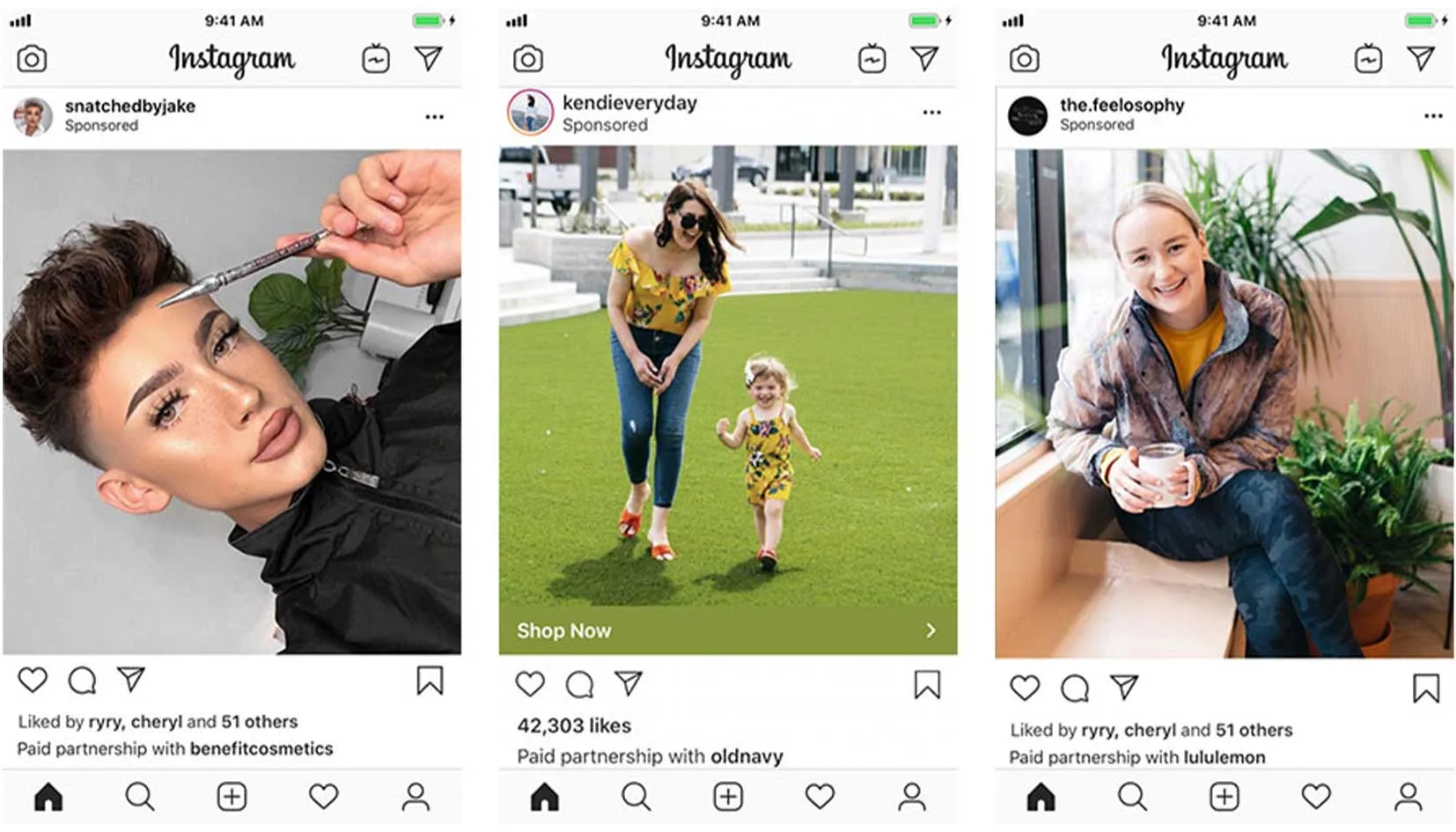
What does an Instagram Branded Content ad look like?
It looks like the creator’s post, not the brand’s ad.
A standard Instagram ad reads as “sponsored” and runs from the brand’s account. A Branded Content ad runs from the creator’s handle and profile picture, so the format keeps the feel of a creator sharing something with their audience. The “sponsored” label and the Paid Partnership tag in the caption stay in place, so transparency holds. The user knows it is a paid placement, but the content still reads as native rather than as an interruption.
That distinction matters more than it sounds. Audiences have learned to skip ads and lean into creators. This format sits on the right side of that behaviour.
Why should marketers use Instagram’s Branded Content tool?
Most brands treat a strong creator post as the finish line. The Branded Content tool is what turns it into a starting point. Three capabilities do the work.
Reach beyond the creator’s followers
Organic creator reach is capped by one thing: who already follows that creator. Branded Content ads remove the cap. You can scale a post that is already performing into the feeds of people who do not follow the creator at all, which means a single piece of content that proved itself organically can keep working against a much larger, defined audience.
Targeting that matches your audience, not the creator’s
A creator’s following will rarely match your target audience exactly. Age, gender and geography never line up perfectly. Run that post organically and a chunk of your spend reaches the wrong people. Branded Content ads let you target with the same precision as any paid placement, so the content lands with the audience that matters to you. The practical upside: you can choose creators for the quality of their content, not the demographics of their follower list.
Shoppable creator content
The way people shop on mobile has collapsed the distance between seeing and buying. When a user likes something, they want to tap and buy without being bounced through three redirects. Branded Content ads make creator content shoppable, turning a browser into a buyer in a few taps, taking the same relatable, native content and putting a clean path to purchase behind it.
Read more on how creators benefit from Branded Content ads and how to request the Paid Partnership tag. For the setup mechanics, here is the marketer’s guide to enabling partner approvals, and the fuller background on how and why marketers should use the tool.
How we see it: a tool is not a strategy
Here is where most brands stall. They treat Branded Content ads as a button: boost a good post, watch the numbers move, move on. That earns a spike, not a system.
The tool is a distribution mechanic. The value comes from how you use it: which creators you back, which posts you put paid behind, which audiences you target, and how each placement feeds the next decision. A single boosted post is a tactic. A repeatable model, creators chosen for performance, content tested organically, paid weight applied to what works, results read back into the next brief, is infrastructure.
Branded Content ads are one of the cleanest ways to connect creator content to paid distribution. But the format is only as good as the system around it.
FAQs
Is Instagram’s Branded Content tool the same as Partnership Ads?
Yes. Instagram renamed the format to Partnership Ads, but the mechanic is unchanged: a creator’s Paid Partnership post, run as a targeted ad from the creator’s own handle. Older guides (and plenty of marketers) still call it the Branded Content tool.
What is the difference between a Branded Content ad and a normal Instagram ad?
A normal ad runs from the brand’s account and reads as “sponsored”. A Branded Content ad runs from the creator’s handle and profile picture, so it keeps the native feel of creator content while still carrying the Paid Partnership label and full ad targeting and measurement.
Do I need the creator’s permission to run their post as an ad?
Yes. The creator grants brand-partner approval (and tags the brand as a Paid Partnership) before you can promote the post. The setup runs through Instagram’s partnership and partner-approval settings.
Does the Branded Content tool replace organic influencer marketing?
No. It extends it. Organic creator posts build credibility and prove what resonates; Branded Content ads put paid reach and targeting behind the posts that earn it. The two work best together, not as alternatives.
A button moves numbers. A system moves a brand.
Knowing what Instagram’s Branded Content tool does is table stakes. Turning it into sustained, measurable growth, choosing the right creators, knowing which content deserves paid weight, and reading every result back into the next decision, is the harder, more valuable problem.
That is the work we do. Vamp is a tech-enabled influencer marketing agency: we design creator-led growth systems and run the distribution behind them, so creator content becomes compounding performance, not a one-off boost. Talk to us.