Phone photography: 17 tips for better photos for social media
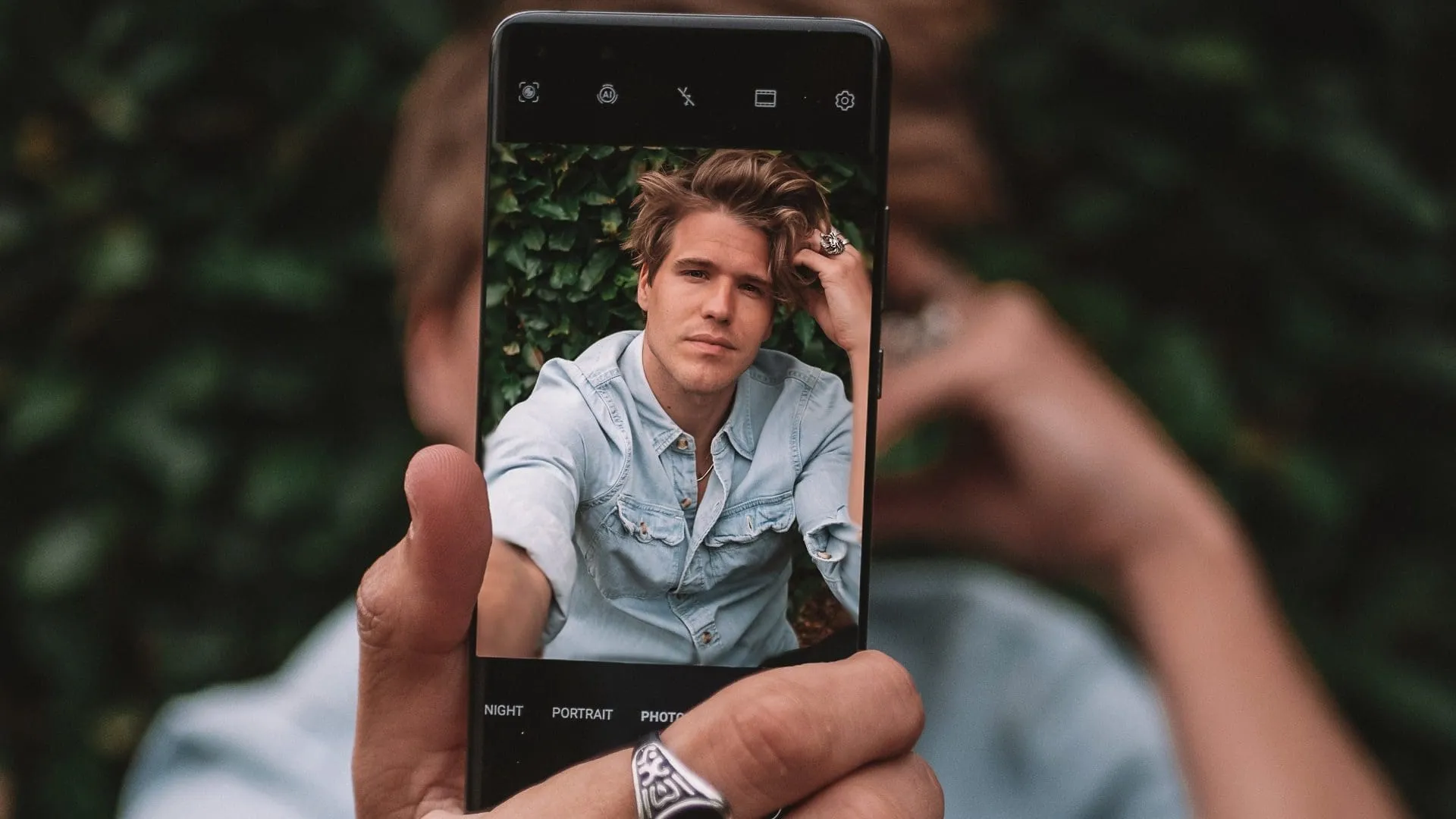
Phone photography is the practice of shooting professional-grade images on a smartphone, and on modern flagships, it's enough to carry a serious social presence.
You don’t need a DSLR or a studio. You need to understand how your phone’s camera captures light, how to compose a frame, and how to work with the conditions you’re given. Get those right and your mobile photography stops looking generic and starts looking like a brand.
This guide covers 17 practical phone photography tips, light, composition, kit and settings, plus what to look for in a camera phone and how to turn good images into consistent, recognisable content.
The short version:
- Great phone photography is mostly light and composition, not megapixels, though a large sensor and optical zoom help.
- Shoot in natural light, learn the rule of thirds, and take far more frames than you think you need.
- Golden hour and blue hour do more for an image than any filter.
- Consistency is what turns good photos into a brand people recognise.
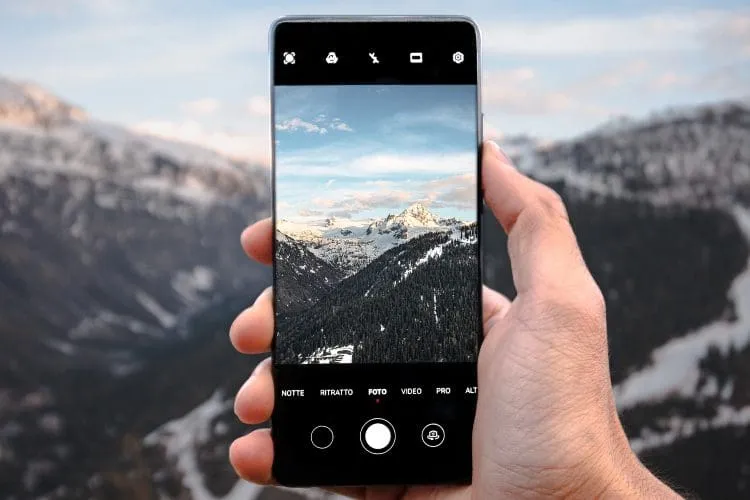
Why does good phone photography matter for social media?
On social, your image is your brand. Whether you’re shooting food, product or moody landscapes, the photos you post are the fastest signal of who you are and how seriously to take you.
Generic, soft or poorly lit images cost you. People expect quality on branded and creator channels, and falling below that bar quietly drags on follower growth and engagement. Crisp, distinctive, consistent imagery does the opposite. It compounds. Each strong post makes the next one more credible.
The two things that move the needle most: the device you shoot on, and how well you understand the camera in your hand.
Which smartphone takes the best photos?
Not all camera phones are equal. A handful of manufacturers build genuinely high-end cameras as standard. As of 2026, the strongest options include:
- Apple iPhone 16 Pro Max
- Samsung Galaxy S25 Ultra
- Google Pixel 9 Pro
- Xiaomi 15 Ultra
- Oppo Find X8 Pro
- Vivo X200 Pro
- OnePlus 13
Two specs matter most. First, sensor size: the sensor determines how much light is captured when you take a photo, and light drives dynamic range, sharpness and exposure balance. Most phone sensors sit around 1 cm wide; a DSLR’s is several times larger, which is why pro cameras still win in hard light. The newest flagships have closed much of that gap with one-inch-type sensors.
Second, megapixel count, the number of pixels on the sensor capturing light and colour. It matters less than people think. Pixels are secondary to the sensor, and for online use you need far fewer than you’d expect: a Facebook cover photo, for instance, needs only about 0.26 megapixels.
Beyond those, prioritise optical image stabilisation, a usable optical zoom, a strong front camera for selfies, and capable video. Those features earn their keep every day; a headline megapixel number rarely does.
17 phone photography tips for photos that stand out
#1 Take far more photos than you need
This is how you practise and how you guarantee a keeper. Professional photographers shoot dozens of frames to land the right mix of light, action and colour. Do the same. For a static shot, fire off 20 to 30 and choose the best.
#2 Learn your phone inside out
Spend real time with your device. Read the manual, understand its lenses, how it handles light and focus, and what its special modes actually do. If it has manual or pro settings, learn them. That’s where you go from snapshots to control.
#3 Understand shutter speed, white balance, ISO and aspect ratio
These four govern how a photo is framed, lit and exposed. When your phone offers manual settings, adjusting shutter speed or white balance is often the difference between a flat image and a standout one.
#4 Play with exposure
Most phones manage exposure automatically, but manual mode is where the interesting work happens. A long-exposure shot of a street at night turns passing traffic into elongated trails of light against the dark. There are also dedicated apps for long-exposure photography. You’ll need a tripod to hold the phone perfectly still while the shutter is open.

#5 Explore perspective
Shooting from different angles and heights can turn an ordinary scene into something dynamic. Get low, get high, change your distance to the subject, and frame the same thing in ways most people never try.
#6 Use the rule of thirds
The rule of thirds isn’t just for portraits. It works for food, landscapes and any scene with a clear focal point. Place your subject off-centre along the gridlines and the frame instantly feels more balanced and deliberate.
#7 Look for symmetry and patterns
Symmetry is eye-catching, and patterns give an image rhythm. A symmetrical composition can turn a pedestrian subject into something that reads as art. Scan for lines, repetition and mirror points, and use them to draw the eye to your focal point.
#8 Use lens flare on purpose
Flare ruins plenty of early-morning and late-evening shots, but, controlled, it becomes a tool. Position your subject so the flare frames it or adds a deliberate glow, and a technical problem becomes a creative signature.

#9 Choose optical zoom over digital
Digital zoom crops and degrades; optical zoom keeps detail. Phones won’t match a DSLR’s lens range, but flagships now ship genuine optical zoom alongside wide-angle and telephoto lenses. Choose a device with multiple lenses for real variety rather than relying on a software crop.
#10 Use HDR for true-to-eye light
High Dynamic Range balances bright and dark areas in a single frame. It does the thing we’ve long wanted cameras to do: capture a scene closer to how your own eyes see it, holding detail in both the sky and the shadows.
#11 Default to natural light
Get outside. Natural light is hard to beat, and it’s free. Use your lenses, exposure, white balance and shutter speed to work with it. Early and late light especially will always read richer and more atmospheric than a phone flash or a harsh midday sun.
#12 Don’t obsess over megapixels
Buy a phone with a sensible megapixel count, then stop worrying about it. DSLRs shoot at 60MP-plus and many phones sit below 20MP, but for social, anything above 8MP is comfortably enough. The Samsung Galaxy S25 Ultra runs a 200MP main camera; you’ll rarely need a fraction of that. Light and composition beat resolution every time.

#13 Shoot the golden hour
The hour after sunrise and before sunset delivers the most flattering light there is. Skin looks better, shadows soften, and the low sun acts as natural backlighting. Shoot through these windows deliberately and watch how much the quality of light changes your results.
#14 Don’t skip the blue hour
Once gold fades, twilight takes over. The purple-blue light just after sunset is ideal for landscapes, architecture, cityscapes and moving cars. You’ll need to adjust exposure to hold the colour, but the payoff is dramatic, moody images you can’t fake in daylight.
#15 Learn the fundamentals
Just as you study your device, study the craft: composition, light, story, framing, contrast, scale. Strong photographers aren’t born. They put in the hours. Your early shots will be rough. As the fundamentals become instinct, your images get noticeably better.
#16 Experiment freely
Photograph odd things, old shoes, rubbish, whatever. Break the conventions. But break them knowingly: rules are most useful once you understand them well enough to bend them in ways that actually improve an image.
#17 Add the right apps
The right apps turn a phone into a far more capable camera: filters, manual control, editing, and more. Start with a curated list of the best Android camera apps and iPhone camera apps, then keep only the two or three you’ll genuinely use.
How do you turn good photos into a recognisable brand?
A good photo earns a moment of attention. A recognisable visual style earns a following. The creators who win on social rarely have the best single image. They have a consistent one: the same light, palette, framing and feel, post after post, until the audience can spot their work without seeing the handle.
That’s the harder, more valuable discipline. Master your phone’s camera, then commit to a look and repeat it. From there you can build out your wider presence, turning strong stills into content for Instagram, and pairing them with captions that tell a story so each post does more than sit there looking nice.
FAQs
Can a phone really replace a professional camera for social media?
For social, almost always yes. Modern flagship phones shoot more than enough quality for feeds, stories and most paid social. A dedicated camera still wins in difficult light and for large prints, but for content people view on a screen, technique matters more than the body you shoot on.
What’s the single biggest improvement I can make to my phone photos?
Light. Shoot in natural light, lean on golden and blue hour, and avoid the harsh midday sun and the on-phone flash. Getting the light right does more for an image than any new phone, lens or filter.
Do I need expensive accessories to take good phone photos?
No. A tripod and a power bank cover most situations and cost very little. They unlock long exposures, sharper low-light shots and longer shoots, far more useful than spending the same money chasing a higher megapixel count.
How many megapixels do I need for social media photography?
For online use, anything above 8MP is plenty, and you can get usable results from far less. Sensor size, optical zoom and stabilisation will improve your photos more than a bigger megapixel number.
Great photos are the start. A consistent brand is the goal.
The fundamentals here, light, composition, the discipline to shoot more and choose well, are what separate generic feeds from ones people remember. Get them right and every post compounds the last.
At Vamp, this is the logic we build for brands at scale: not one good piece of content, but a consistent creator-led system where attention turns into measurable growth. The same principle applies to your own channel. The work that matters isn’t the single great shot, it’s the recognisable presence you build around it. Keep going, and you can learn how creators earn on YouTube or get verified on Instagram next.