TikTok influencer marketing: a complete guide for brands
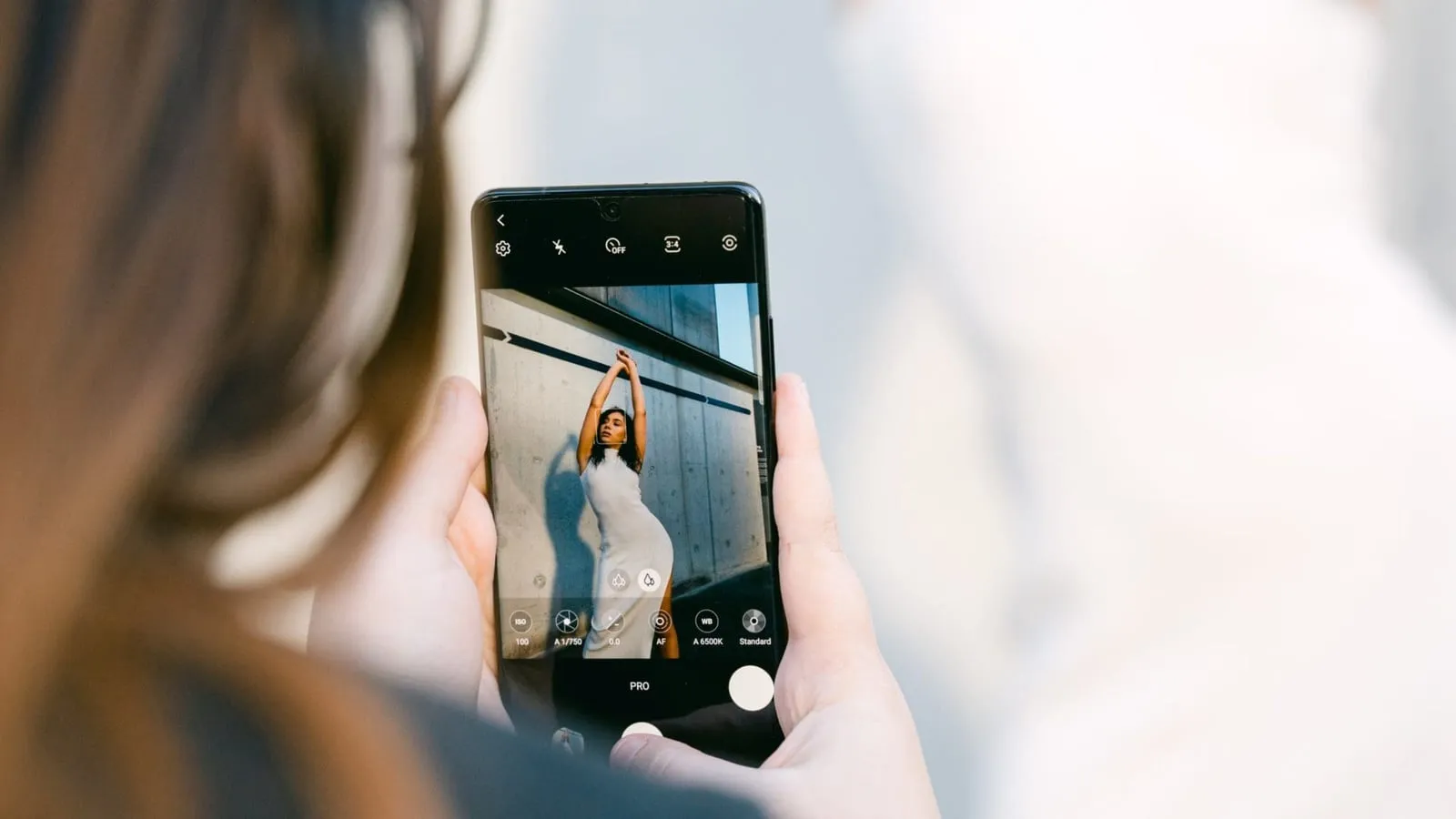
TikTok influencer marketing is the practice of partnering with TikTok creators to reach and convert their audiences through native, platform-fluent content.
Done well, it puts your brand inside a feed people actually choose to watch, in a voice they already trust. Done badly, it’s a stiff ad dropped into a place that punishes anything that doesn’t belong.
This guide covers what TikTok influencer marketing is, why it works, the campaign types worth running, how to find the right creators, and the five steps to get a campaign live. The short version is below.
Key takeaways:
- TikTok influencer marketing works because the algorithm rewards relevance over follower count. A creator’s audience matters more than their reach.
- The strongest campaign types are sponsored content, branded challenges, account takeovers and genuine creative collaborations.
- Pick creators for audience fit and creative range, not vanity metrics. Brief tightly on the goal, loosely on the execution.
- Measure participation, comments, shares, saves, conversions, not just views. Visibility is the weakest signal of impact.
What is TikTok and why does it matter for brands?
TikTok is a short-form video app where users create, watch and share clips, most of them under 60 seconds. Since launching in 2016 it has grown to more than 1.5 billion monthly active users worldwide, and it has reshaped how attention moves online.
The reason brands can’t treat it as optional is structural. TikTok’s recommendation engine surfaces content by relevance, not by who you already follow. A creator with 20,000 engaged followers can out-perform one with two million passive ones. That changes the maths of influence: distribution is earned by the content, not bought by the audience size.
For a brand, that means TikTok rewards getting the creator-and-content fit right far more than it rewards spend.
How does TikTok work?
TikTok videos can run up to 10 minutes, but most users keep them short. The algorithm curates each person’s “For You” feed based on what they watch, finish, rewatch and engage with, so content reaches people by interest, not by network.
The app’s native editing tools, filters, effects, captions, trending sounds, let creators produce polished, platform-fluent content without a studio. That accessibility is what democratised creation on TikTok, and it’s the same accessibility that turned the platform into the most important proving ground in influencer marketing. Charli D’Amelio, who started by posting dance clips, now has more than 150 million followers.
Who uses TikTok?
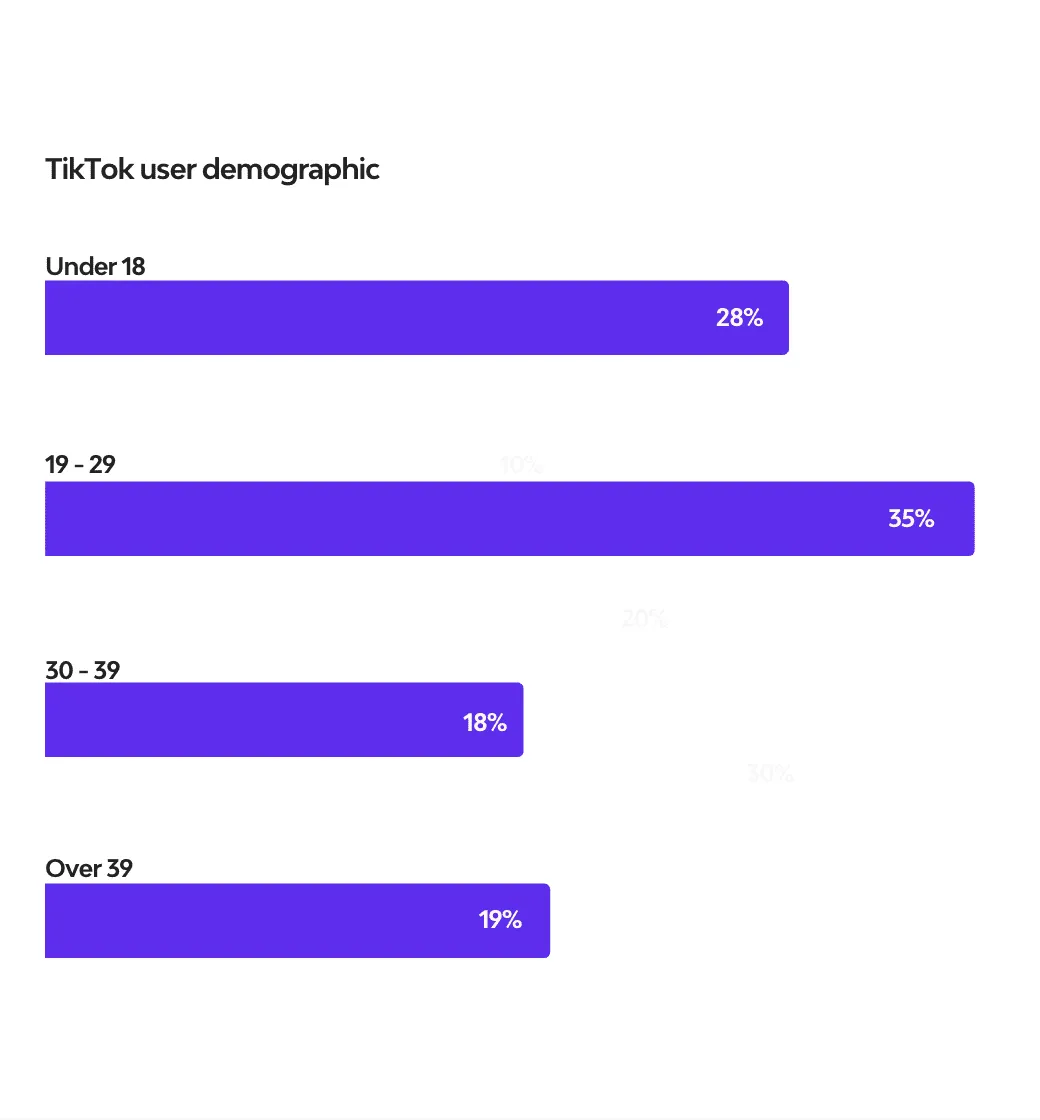
TikTok built its early audience among under-18s, but its user base has broadened across every age group. That cross-generational reach is precisely what makes it valuable to brands: you can put the right creator’s content in front of a specific, already-engaged audience rather than buying broad, indifferent reach.
What content works well on TikTok?
TikTok rewards content that feels native to the platform. The formats that consistently perform:
- Music and dance: the format TikTok is known for, clips set to trending sounds or built around viral challenges.
- Comedy and skits: short, sharp, character-led humour and lip-sync. Entertainment travels.
- Education and how-to: quick, useful explainers. For younger audiences, TikTok is increasingly the search engine of choice over Google.
- Community and collaboration: duets, stitches and creator-to-creator content that the platform’s culture is built on.
- Creator campaigns: brand work that lands reads as content first and advertising second, aligned to the creator’s voice and the platform’s tempo.
How does TikTok influencer marketing work?
There are several ways to structure a TikTok creator campaign, depending on your product, audience and objective. The most effective formats:
Sponsored content. The most direct approach: a creator produces content, a review, an unboxing, a demonstration, that features your product in their own style. It works when the creative is theirs and the message is yours.
Branded challenges. A creator launches a challenge or trend around your hashtag and invites their audience to make their own versions. Done right, it turns a single post into participation at scale.
Account takeovers. A creator runs your brand’s account for a day or a week, bringing their voice and audience to your channel. It injects native energy into owned media and earns reach you don’t otherwise have.
Creative collaborations. You and the creator build something original together: a format, a series, a recurring idea. It takes more time and trust, but it produces the most distinctive, defensible work, and it’s where one-off posts turn into lasting partnerships.
Why is influencer marketing so effective on TikTok?
Three things make TikTok unusually productive for influence.
First, engagement runs deep. People don’t passively scroll TikTok. They comment, duet, save and rewatch. A creator who has earned that attention carries real weight over what their audience thinks and buys.
Second, the platform is built from niches. Beauty, fitness, finance, food, gaming: every interest has its own dense community and its own trusted operators. The right creator reaches a targeted, engaged audience rather than a broad, diluted one.
Third, the creative toolkit is genuinely open. Creators who understand the platform’s grammar can show a product in ways a traditional ad never could, and that originality is what gets watched to the end and shared.
How do you find the right TikTok influencers?
There are thousands of capable creators on TikTok, which is exactly why selection is the hard part. The instinct to chase follower counts is the most common mistake; reach is the weakest predictor of performance.
Choose for fit. The right creator aligns with your brand, holds genuine credibility with their audience, and has the creative range to make content that stops the scroll. Vetting for audience quality, content style and reliability is where most of the value, and most of the risk, sits.
As an official TikTok Creative Marketing Partner, this is the work Vamp does for brands: matching creators to objectives, then building the systems that make the partnership perform rather than leaving it to chance.
TikTok influencer marketing examples
Some campaigns show the playbook better than any theory. A few worth studying:
Duolingo, humour as strategy. Duolingo enlisted eight creators for its April Fool’s “Duolingo Roll” prank. By letting creators work in their own comedic style, the campaign produced native, genuinely funny content and amassed millions of views.
@kyronhamilton #ad There’s no longer any excuse to miss your @duolingo class, #DuolingoRoll ♬ original sound – Kyron Hamilton
Gymshark, participation at scale. Gymshark’s 66 Days: Change Your Life asked users to commit to a personal goal for 66 days, fronted by six high-reach creators. The campaign hashtag, #gymshark66, reached 45.5 million views by turning a brand message into a community ritual.
@nellagrabowski #gymshark66 day 34 @gymshark ♬ original sound – <3
Too Faced, simplicity that compounds. Too Faced partnered with creator Kristen Hancher to promote a new mascara. The video had a single transition and ran under 20 seconds, yet it performed, and the brand turned the one-off into a long-term relationship that produced many more collaborations. Influence compounds when it’s built on a relationship, not a transaction, and it is the clearest argument for why long-term creator partnerships beat one-off casting, and for treating roster continuity as something you manage rather than something you hope for.
@toofaced @kristenhancher looks like a #toofaced DREAM in our limited edition Christmas products!😍💕🎄🎁 #makeup #christmas #glam ♬ original sound – Too Faced
How to run a TikTok influencer campaign in 5 steps
With the theory covered, here’s how to get a campaign live.
Step 1: Define who you’re trying to reach
Build a clear picture of the customer you’re targeting: their interests, habits and the kind of content they already watch. The sharper the picture, the easier it is to identify the right creator, hashtag strategy and posting calendar.
Step 2: Set your strategy and goals
Decide what success looks like before you brief anyone. A clear strategy defines what you’ll do, the metrics you’ll track and the outcome you want, and it’s the foundation of a brief a creator can actually deliver against.
Step 3: Choose your campaign type
With your audience and goals set, decide which format fits: sponsored content, a branded challenge, a takeover or a deeper collaboration. Let your brand personality guide the choice. A playful brand earns more from comedy than from a polished product demo.
Step 4: Find the right creators
This is the step that decides the campaign. Select for audience fit, credibility and creative range, not follower count. Getting this right at scale, vetting creators, matching them to the brief and managing the relationship, is the discipline behind every campaign that performs. It’s where partnering with a specialist agency earns its keep.
Step 5: Brief tightly, then trust the creator
Define the goal and the guardrails, then hand the execution to the people who know their audience best. Being deliberate about what belongs in a creator brief, the objective, the non-negotiables and the things to steer clear of, is what keeps a tight brief from turning into a script. Creators understand what their followers respond to and where their own strengths lie. Involve them in the planning and you get content that feels native, which is the only kind that works on TikTok.
TikTok influencer marketing FAQs
Which metrics measure TikTok influencer marketing success?
Lead with participation, not exposure. Engagement rate (likes, comments, shares, saves), click-through rate and conversions tell you whether content resonated and drove action. Reach and impressions are context, not the headline. Tracking links and promo codes attribute sales directly, and comment sentiment reveals how the audience actually received the work.
How do you handle contracts and negotiations with TikTok creators?
Cover deliverables, timelines, compensation, usage rights and exclusivity up front. Agree the scope, number of posts, content types, messaging, and the payment model, whether flat fee, performance-based or product exchange. There are creator partnership models beyond flat fees, from retainers through performance share to revenue share and equity, and each one carries its own reporting and admin load, so pick the structure you can actually operate. Be explicit about where the brand can reuse the content and for how long, and include exclusivity terms if you need the creator to stay clear of competitors.
What causes TikTok influencer campaigns to fail?
The most common failure is a mismatch between the creator’s style and the brand, which produces content that feels inauthentic and underperforms. Vague goals lead to off-message work; skipping due diligence on a creator’s history invites reputational risk; and even strong content underdelivers without a plan to give it visibility. The fix is disciplined selection, a clear brief and proper vetting, the systematic part of the work, not the creative part.
Get the creators right, and TikTok performs
A guide gets you to a launch. Sustained performance is the harder, more valuable problem: choosing the right creators, briefing them well, and turning one-off posts into relationships that compound over time.
That’s the work we do. Vamp is a tech-enabled influencer marketing agency and an official TikTok Creative Marketing Partner: we design creator-led growth systems and build the operations behind them, so influence on TikTok performs instead of just appearing in a feed. Talk to us.