Social media strategy: a step-by-step guide for brands

A social media strategy is the document that turns scattered posting into a system: what you post, where, when, why, and how you'll measure whether it worked.
The brands that win on social aren’t the ones posting most. They’re the ones operating from a plan. A clear social media strategy connects your business goals to your platforms, your content, and your metrics, so every post is a decision, not a guess.
This guide breaks down how to build one, step by step: the core components, the templates worth using, and how organic, paid, B2B and small-budget strategies differ.
The short version:
- A social media strategy defines your goals, platforms, posting schedule, content types, metrics and campaigns as one coherent plan.
- Start from business goals, then work outwards. Platform and content choices follow from what you’re trying to achieve.
- Organic and paid aren’t rivals; the strongest strategies run them together.
- Reach is the easy metric to report. Participation and downstream impact are the ones that predict growth.

What is a social media strategy?
A social media strategy is your planning document for everything you do on social. It sets out what you’ll post, how you’ll post it, the metrics you’ll track, and the goals you want to hit across each channel.
Without one, you’re leaving outcomes to chance. Spontaneous posts have their place, but a defined strategy removes the guesswork around what to publish, when to publish it, and what you want audiences to do next. It also lets you understand why some posts outperform others, and build on that, instead of starting from zero each time.
The longer you run a strategy, the more it compounds. Each cycle of posting, measuring and refining sharpens the next.
Why do you need a social media strategy?
Every platform is fighting harder for attention than it was a year ago, tuning their algorithms to keep users engaged for longer. Brand and creator content is a big part of what feeds that engine, which means the quality and consistency of your content directly affects how far it travels.
A cohesive strategy, deliberate placement, authentic content, real creativity, is the edge over brands posting on instinct. Our case studies show what that looks like in practice: structured, creator-led work that performs because it was designed to, not because it got lucky.
Here’s how we see it at Vamp: a strategy isn’t a content calendar with goals bolted on. It’s the operating model that turns attention into measurable growth. Get the system right and the individual posts take care of themselves.
How to create a social media strategy: the core components
Ask 100 brands what’s in their strategy and you’ll get 100 answers, because it depends on the business, its goals, and its resources. But the strongest strategies share the same foundations. Define these, in this order.
1. Start with business goals
What is social media actually here to do? More revenue, more visibility, more qualified leads, stronger brand equity? Name the goal first. Every later decision, platform, content, budget, should ladder back to it. A strategy without a goal is just an activity plan.
2. Choose platforms and define audiences
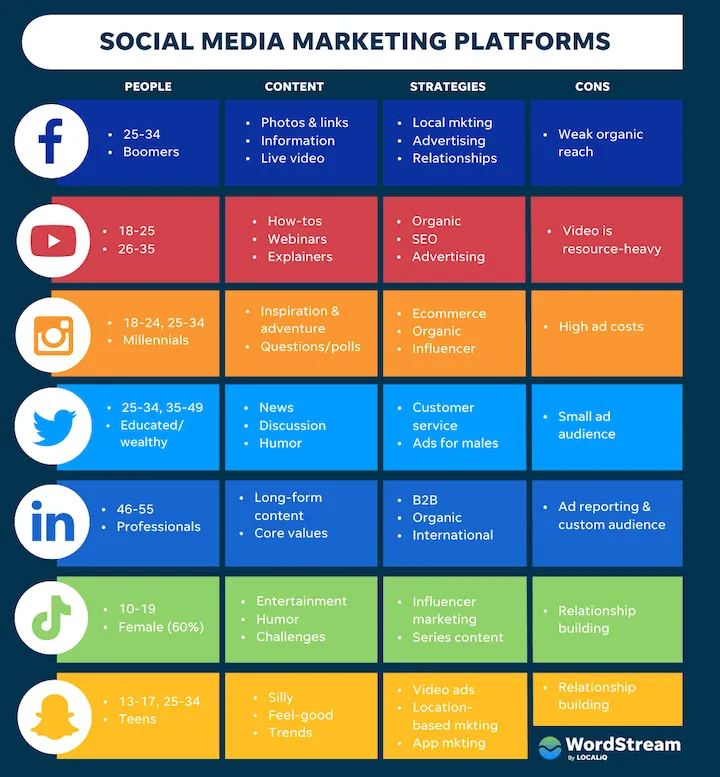
Decide where you’ll invest, and be honest about where your audience actually is rather than where you’d like them to be. You don’t need a presence on every platform; you need depth on the ones that matter. If you’re unsure which channels fit your audience, a comparison guide like the one below helps you weigh each platform’s strengths.
3. Set a posting schedule
Once you’ve chosen platforms, decide how often you’ll post, and on which days and times. Ambition is good; over-commitment isn’t. Set a cadence you can sustain, then scale it up as the system beds in. A content calendar makes planning weeks and months ahead far easier, and keeps quality consistent when you’re busy.
4. Plan your content types
With a schedule in place, get specific about format. Some platforms limit your options. TikTok is video-first, though you can still choose between talking-head pieces, carousels and trend-led content. Others give you images, video, GIFs, polls, livestreams, interactive stickers and more. Match format to platform and to the behaviour your audience already rewards there.
5. Decide how you’ll measure performance
Set out the metrics that tell you whether content is working. Are you chasing engagement signals, comments, shares, saves, follower growth, or conversion metrics like traffic and sales? Define success up front, then track it once posts are live so you can see which formats earn the most. A word of caution here, picked up below: don’t let reach become the metric just because it’s the easiest to report. The participation metrics that predict growth, the saves, the shares and the comments, tell you far more about whether the content actually landed.
6. Map your campaigns
Tie your social activity to the year ahead: launches, seasonal moments, key events. If you’re introducing a product line, decide how you’ll drive awareness: paid social, an organic giveaway, or an influencer campaign with a purchase offer attached. This is where most brands under-invest. A campaign isn’t a one-off post; it’s a coordinated push across creators, content and distribution, built to compound.
Social media strategy templates
If you don’t have time to build a strategy document from scratch, start from a template and adapt it. These are solid starting points:
A template gets you moving; the thinking is still yours. With the foundations and a working document in place, here are the variations worth understanding.
What is an organic social media strategy?
Organic social refers to posts with no paid promotion behind them, content that earns its reach on merit. If you’re early and don’t yet have budget to put behind content, organic is where you learn what your audience actually responds to. Those lessons then shape everything you do later, paid included. Organic and paid work better together, not in opposition.
A few ways to strengthen organic reach:
- Hashtags: research the tags your target audiences actually use, and add the relevant ones to your posts.
- Searchable captions: social platforms increasingly behave like search engines. Write captions around the keywords, phrases and questions your audience is searching for.
- Cultural moments: music, formats, topical conversations. Moving quickly on a relevant moment, rather than chasing every trend, can lift organic reach meaningfully, which is why creator strategy planning that keeps pace with culture leaves deliberate space in the calendar for the moments you can’t schedule in advance.
What is a paid social media strategy?
A paid social media strategy puts spend behind content to extend its reach and accelerate growth. The hard part is allocation. There are a lot of formats and placements to choose from. If Instagram is your priority, our guide to boosting Instagram Reels as ads walks through the paid media options and when each makes sense.
The most efficient paid strategies don’t run in isolation. They put budget behind the organic and creator content that’s already proven it performs, so you’re scaling a winner, not gambling on a guess.
Should small businesses include paid ads in their social media strategy?
Yes. The advantage of paid social is that you set the spend. Even a small, capped budget gives you a viable way to test paid advertising. Start modestly, put budget behind your best-performing organic content, and scale what works. Treat it as a controlled experiment rather than a leap.

Should LinkedIn be the focus of a B2B social media strategy?
For most B2B brands, yes. LinkedIn remains the strongest platform for reaching business audiences, even as other channels broaden their reach.
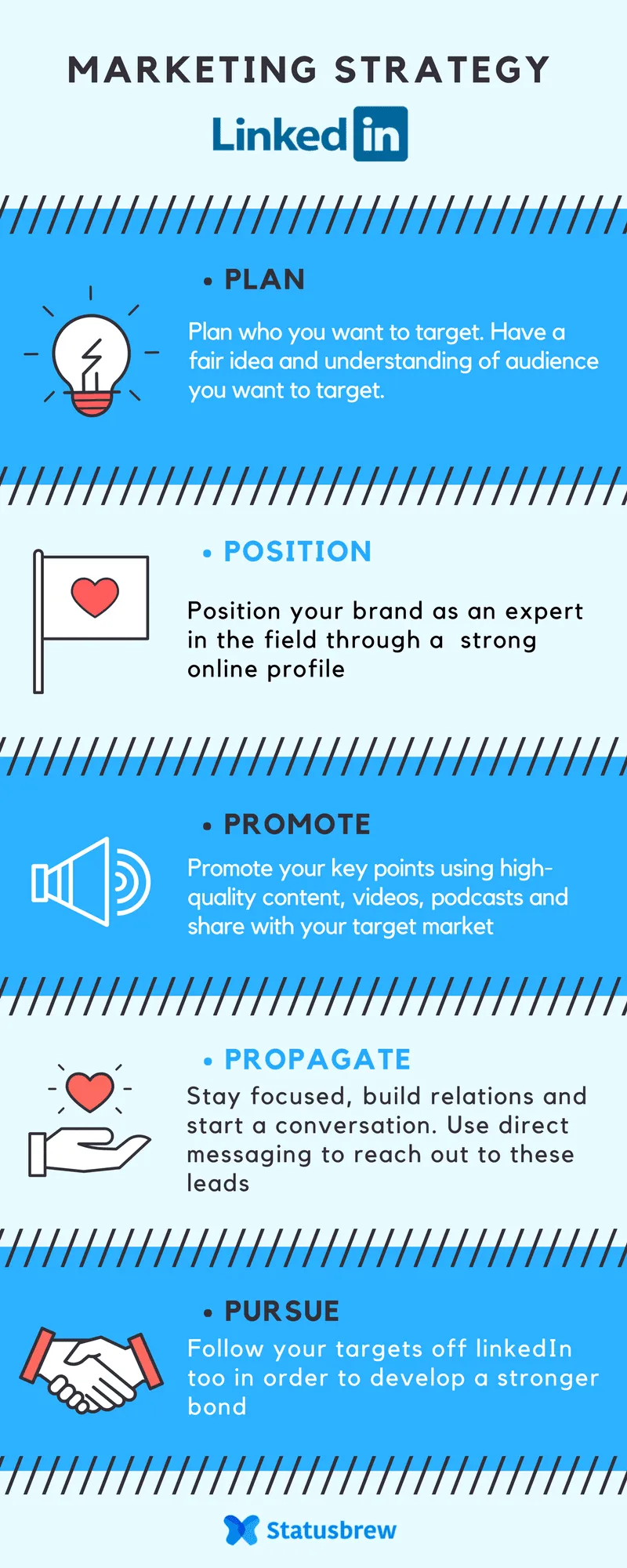
What’s changed is the tone. LinkedIn was once all reports and corporate updates; it now rewards more human, social content. B2B buyers want to know the people behind a brand, so a mix of expertise and personality helps you stand out in a feed that’s still heavy on the formal. A few things worth factoring into your LinkedIn approach:
Does a charity social media strategy work differently?
The core components are the same, but the stakes are often higher. With so many organisations competing to be heard, it’s especially vital that charities have a clear social media strategy.
A defined strategy helps a charity reach the right audiences, whether that’s the people it serves, prospective donors, or advocates and supporters. When funding is tight, a structured approach maximises return on both time and ad spend, which makes the discipline more important, not less.
Social media strategy examples: who’s doing it well?
Some brands consistently outperform on social, and it almost always traces back to strategy rather than luck. Five worth studying:
- Gymshark: pioneers of creator-first social, with strategies tailored channel by channel rather than copy-pasted across them.
- Duolingo: built a TikTok presence on humour and cultural timing, not relentless product messaging.
- Paddy Power: reactive, full of personality, and unafraid of all-out omni-channel campaigns.
- Specsavers: proof that simple works. Sharp on topical news, and well-balanced between community engagement and promotion.
- Adobe: uses educational content and creator partnerships to teach, inspire and entertain its audience.
The throughline isn’t budget or scale. It’s that each one operates from a deliberate system: clear goals, a defined audience, and content built for the platform it’s on. That’s the part worth copying.
FAQs
How do I find the best times to post for my audience?
Use the native analytics built into each platform, Instagram Insights, LinkedIn analytics, and so on, to see when your audience is most active. Third-party tools like Hootsuite, Buffer or Sprout Social add detail across channels. Then test different days and times and let your own results, not generic “best time to post” charts, set your schedule.
How should I handle negative comments or backlash on social media?
Respond promptly and professionally rather than defensively. Set clear community guidelines up front, acknowledge genuine concerns, and move complex issues to a private channel to resolve. Avoid deleting criticism unless it breaches your guidelines. Visible, handled feedback builds more trust than a scrubbed comment section. Keep a crisis plan current so you’re not improvising under pressure.
What works for small businesses with limited budgets?
Creativity and authentic engagement outperform spend. Encourage customers to share their experiences with a branded hashtag, partner with micro-influencers who carry a dedicated, engaged audience, and run contests or giveaways to lift visibility. Behind-the-scenes and origin-story content builds a personal connection at minimal cost, and gives you a base of proven content to put paid budget behind later.
A strategy plans the posts. A system makes them perform.
A good social media strategy gets you organised: clear goals, the right platforms, a sustainable cadence. That’s the table stakes. The harder, more valuable work is turning that plan into sustained relevance: knowing which signals to act on, which creators to back, and how influence compounds across a brand over time.
That’s the work we do. Vamp is a tech-enabled influencer marketing agency: we design creator-led growth systems and build the measurement behind them, so your social strategy becomes a performance engine, not just a posting plan. Talk to us.