How social media and content creators reshaped the entertainment industry
Social media and content creators have rewired how entertainment gets discovered, judged and made, turning audiences from passive viewers into the distribution layer the industry now depends on.
A decade ago, a film’s opening weekend was decided by trailers, billboards and reviews. Today it’s decided in comment sections, on For You pages, and in the recommendations of creators audiences actually trust. Social media didn’t just change how we talk about entertainment. It changed what gets watched, read and streamed in the first place.
For brands and studios, that shift is the whole story. Influence stopped being a promotional add-on and became part of the distribution system itself.
The short version:
- Social platforms now sit upstream of discovery. They decide what trends before traditional marketing gets a vote.
- Creators are the new tastemakers across TV, film, publishing and music; audiences turn to them for honest signal, not ads.
- Decade-old books and songs go to number one because a creator picked them up, proof that relevance, not recency, drives demand.
- The brands winning here treat creators as a system, not a one-off campaign.
How did the pandemic accelerate demand for entertainment?
The pandemic sky-rocketed consumer demand for constant entertainment. We binge-watched streaming channels, consumed music and podcasts, and read more books than ever before. The desire to fight lockdown boredom sent subscriptions and sales booming across the entertainment industry.
Online video subscriptions soared 26% to 1.1 billion in 2020. Across 2020 and 2021, Netflix added 54.6 million subscribers globally. In the UK alone, 12 million people joined a streaming service they hadn’t used before.
Book sales saw similar growth as many rediscovered their love of literature. Despite UK bookshops being closed for most of 2020, over 200 million books were sold that year, the highest figure since 2012. Many readers went digital, with ebook sales rising 24% and audiobook downloads up 37%.
Music followed the same curve. UK music streaming jumped 20%, while subscriptions passed 80 million for the first time.
The demand was real. But demand alone didn’t decide what won. Social did.
How does social media shape what we watch, read and listen to?
From the series we binge to the films we stream, the books we read and the music we play, social media shapes our thinking, behaviour and decisions. It also changes how audiences voice their opinions, and how the entertainment industry responds to that feedback.
Content creators sit at the front of this. They curate what becomes popular, build the conversation around the latest releases, and earn the trust audiences once reserved for critics. People turn to creators for honest opinions, recommendations and reviews, and act on them.
Here’s how that plays out across each corner of the industry.
How does social media affect the TV and film industry?
Studies show social media has a direct impact on the popularity of films and television shows.
Platforms like TikTok are especially powerful: they hero trends and let audiences interact with the shows and films they love in entirely new ways. Netflix’s Bridgerton is a clear example. Its TikTok exposure was so widespread that creators produced an entire Bridgerton: The Musical, composing original songs inspired by the series. That’s not promotion. That’s an audience building on top of the content itself.
The same pattern carried Tiger King, Squid Game and Euphoria. Released across different platforms, each gained momentum from the social trends that followed. Euphoria’s Cassie’s morning routine became a format in its own right, with beauty creators reworking a single line into their own content.
When theatres closed during the pandemic, studios premiered films directly to streaming. Disney funnelled Hamilton and Soul straight to Disney+. Streaming services now lean heavily on the momentum creators generate around new releases to drive views. The marketing and the content have merged.
How has BookTok changed the publishing industry?
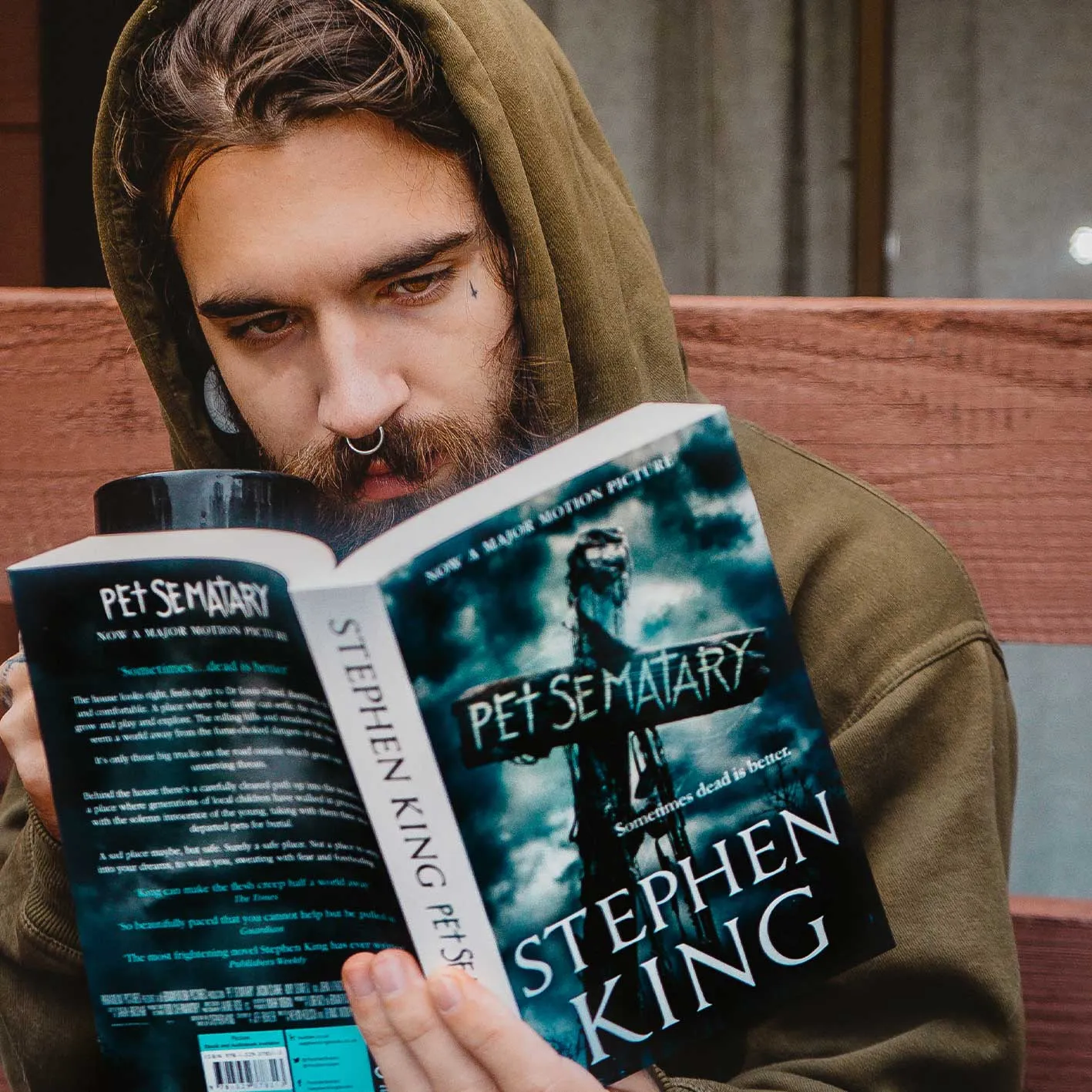
Thanks to social media, “being a bookworm is officially back in style”. #BookTok, now well past 50 billion views, has become one of the most reliable demand engines in publishing, effectively deciding which titles people pick up at any given moment.
Started by “bookfluencers”, BookTok grew into a global community where readers share their shelves and must-read recommendations. Bookstores noticed the selling power fast, see the #TikTokMadeMeBuyIt phenomenon, and many now run in-store “As seen on #BookTok” displays or dedicated BookTok collections on their ecommerce sites.
The clearest proof of its power is what it does to backlist titles. Madeline Miller’s The Song of Achilles became a #1 New York Times Bestseller a decade after its 2011 publication, on the back of the attention it earned across TikTok. Relevance, not recency, decided the outcome.
How do TikTok and Reels influence the music industry?
TikTok and Reels now shape global music charts and how streaming platforms surface new songs and playlists. Trending audio finds new fans regardless of when a track was first released.
The clearest case is 420doggface208’s skateboarding, Ocean Spray-chugging clip set to Fleetwood Mac’s Dreams. Within weeks the band was back in Billboard’s top 10 with an album released decades earlier.
Emerging artists understand the stakes. As streaming services build playlists around trending audio, social has helped propel the careers of Lil Nas X, Olivia Rodrigo and Doja Cat. In May 2021, TikTok even pushed a song from the Nickelodeon show The Backyardigans to the top of a Spotify chart.
The behaviour is measurable, too: 67% of TikTok users are more likely to seek out songs on streaming services after discovering them on the platform. Discovery and conversion now happen in the same place.
What does this mean for brands competing in entertainment?
The pattern across TV, publishing and music is the same: influence sits upstream of discovery. Audiences decide what trends, and creators are the channel that decision runs through.
That’s why the brands winning here have stopped treating creators as a media buy and started treating them as a system, designing content, distribution and performance to work together rather than firing off one-off activations and hoping for reach. When creators are systemised, attention compounds into measurable demand.
This is the work we do at Vamp. We’re a tech-enabled influencer marketing agency, and we partner with entertainment brands to build creator-led growth systems, not isolated campaigns. The results below show what that looks like in practice.
Leveraging ASMR for Paramount Pictures
When Paramount Pictures needed to drive the release of A Quiet Place 2, the studio partnered with Vamp.
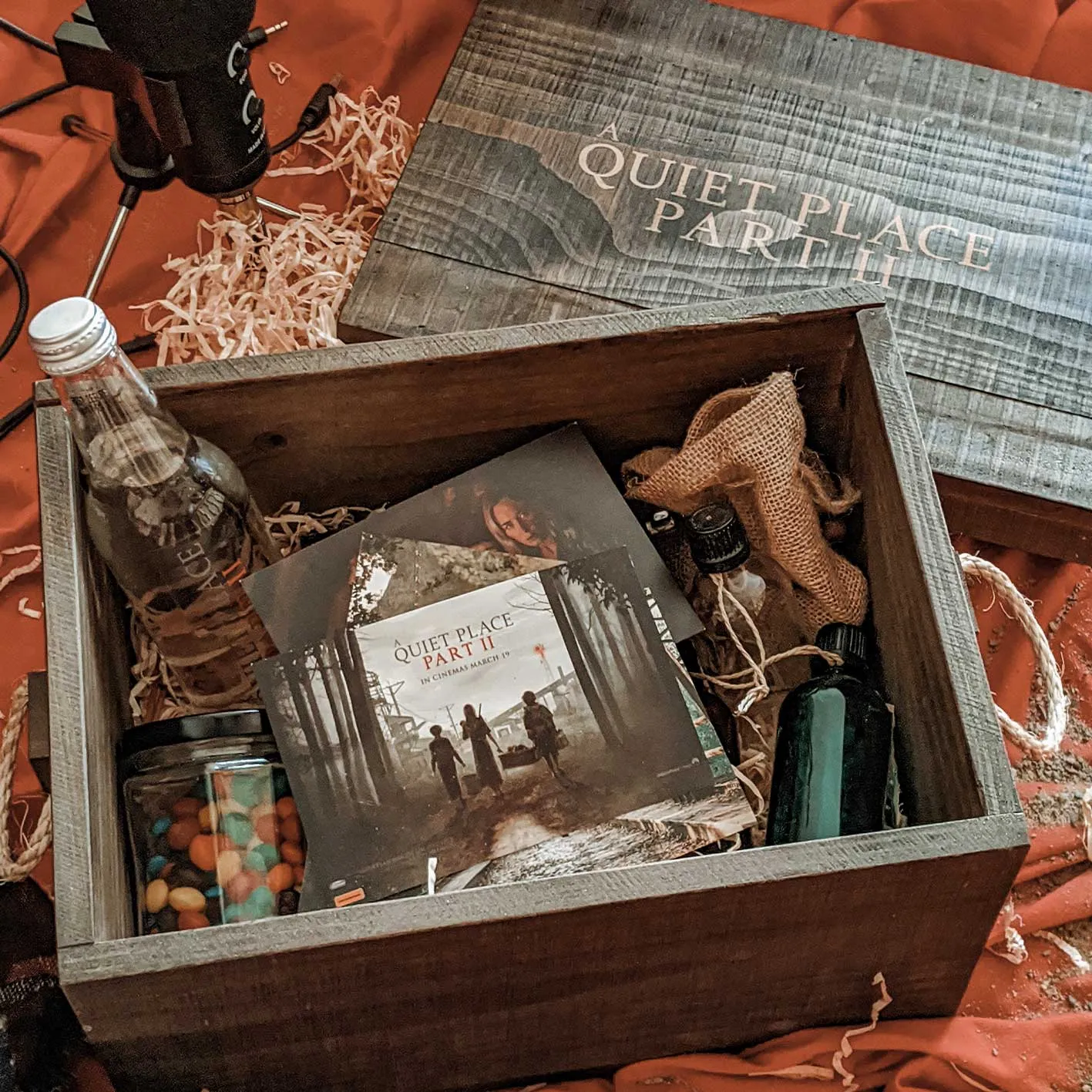
We selected 15 creators and gifted each a box of ASMR props to create engaging video content that brought the film’s suspenseful theme to life and built anticipation across their audiences.
Vamp then ran a paid media layer to extend reach, boosting the strongest organic creator content. The combined effort delivered over 181K+ impressions, a cost-effective CPE of $0.02, and an engagement rate of 12.7%, against an industry average of 0.95%.
Driving organic reach for Disney+
Vamp partnered with Disney+ in Japan to launch Marvel’s mini-series Hawkeye.
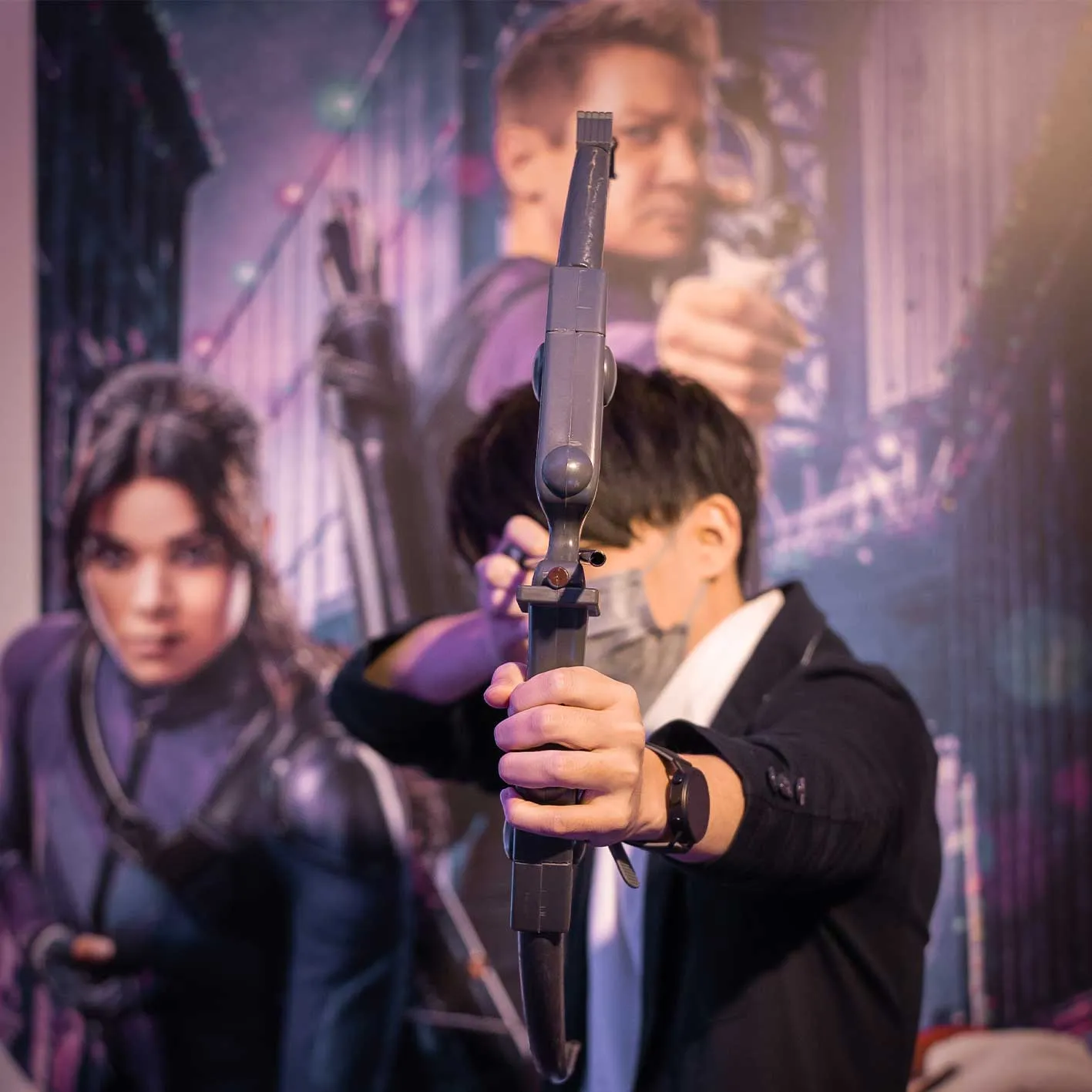
We invited 10 Japanese creators to a Disney+ event and tasked them with producing in-feed Instagram content to build awareness and momentum ahead of release.
The work delivered strong organic results for the streaming service: 126K+ impressions, 8.6K+ post engagements, and an engagement rate of 2.4%.
Driving cost-effective engagement for Netflix
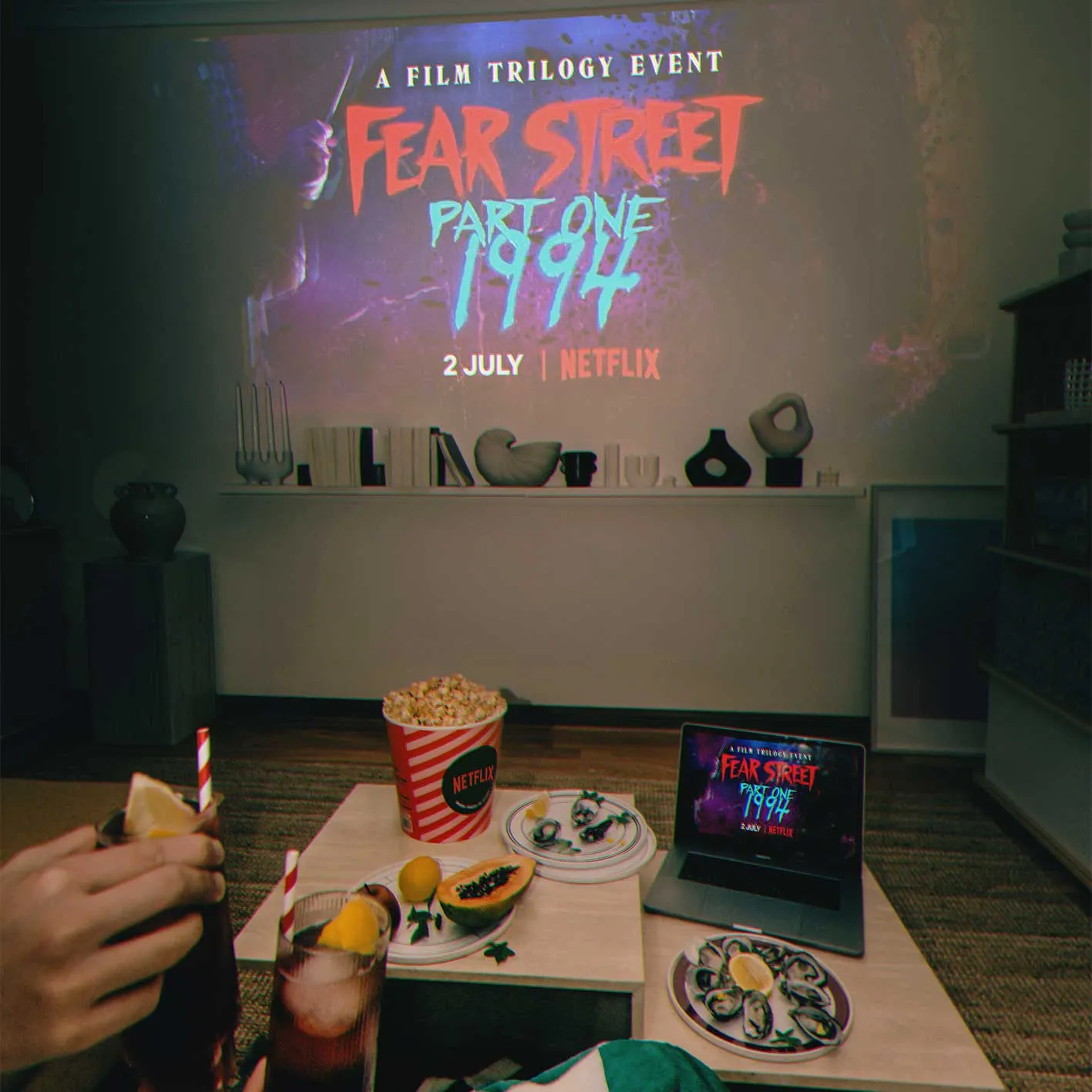
Netflix collaborated with Vamp to raise awareness, drive traffic and boost engagement around the release of the Fear Street Trilogy.
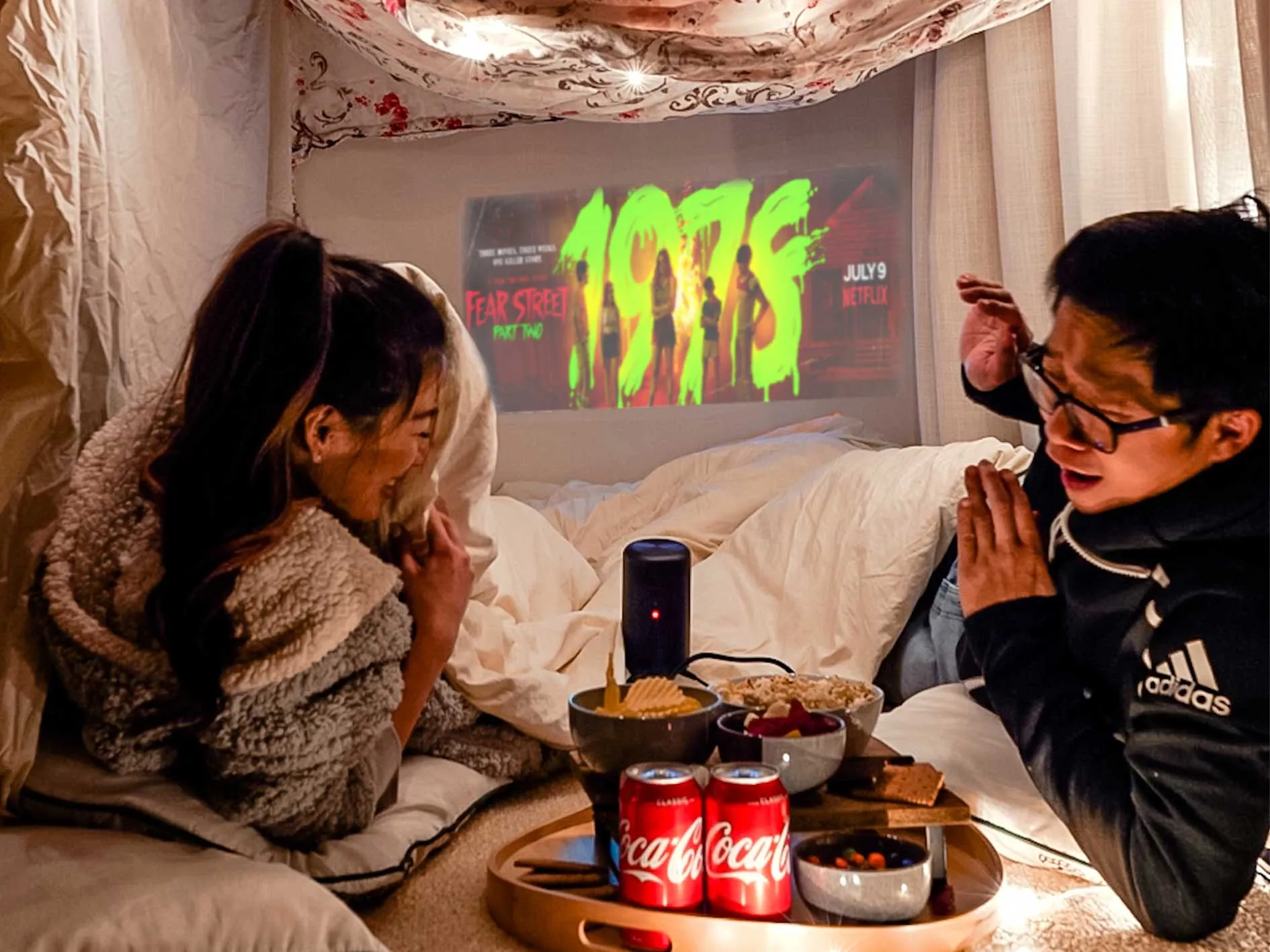
Creators’ organic Instagram content encouraged audiences to plan a movie night in, and made not watching Fear Street feel like missing out. Vamp then boosted the highest-performing posts to extend engagement and awareness.
Together, the creator and paid media work delivered 863K+ impressions, 307K+ engagements, a cost-effective paid CPE of $0.02, and 795 link clicks.
FAQs
Why are content creators so influential in entertainment?
Audiences trust creators in a way they no longer trust traditional advertising. Creators offer honest opinions, reviews and recommendations inside communities they’ve built over time. So when they back a show, book or song, that endorsement carries weight and travels fast.
Can social media really revive old films, books or songs?
Yes, repeatedly. The Song of Achilles hit #1 a decade after publication via BookTok, and Fleetwood Mac’s Dreams re-entered Billboard’s top 10 off a single viral clip. Social rewards relevance over recency, so anything that resonates can find a new audience regardless of release date.
How should brands work with creators in the entertainment space?
Treat creators as part of your distribution system, not a one-off promotional spend. The strongest results come from connecting the right creators, the right content and a paid layer into one coordinated programme, so attention turns into measurable demand rather than a short-lived spike.
Influence isn’t a promotional layer anymore. It’s infrastructure.
Social media didn’t just change how entertainment is marketed. It changed how it’s discovered, judged and made. The studios, publishers and labels that understand this have stopped chasing virality and started building systems that turn creator-led attention into sustained demand.
That’s the harder, more valuable problem, and it’s the one we solve. Vamp designs and runs creator-led growth systems for brands that want influence to perform, not just appear. Talk to us.