What is BeReal and how does it work? What Gen Z's authenticity app taught brands
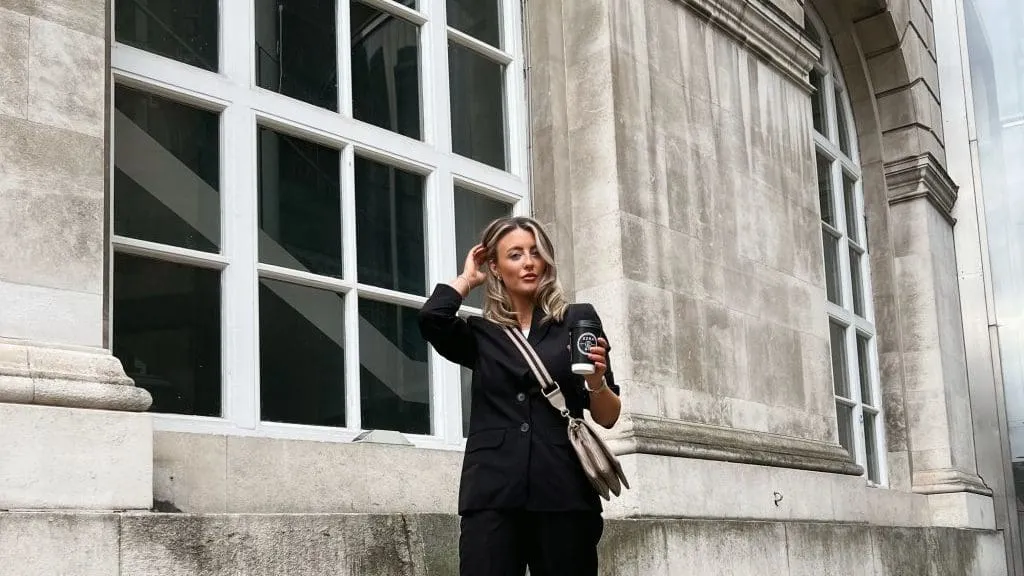
BeReal is a photo-sharing app that sends every user one notification a day, at a random time, and gives them two minutes to post an unedited shot from both cameras at once: no filters, no uploads, no curation.
It became Gen Z’s favourite app in 2022 by doing the opposite of everything social media had optimised for. No highlight reel. No aesthetic. Just whatever you were doing the moment the notification hit.
The app itself has since faded. The daily novelty wore thin, and BeReal was acquired by mobile games company Voodoo in mid-2024. But the reason it spiked is the part worth keeping. BeReal proved, at scale, that audiences were tired of polish. That signal didn’t disappear when the app did. It moved into how every other platform now works.
This is what BeReal was, how it worked, and the lesson brands should take from it.
The short version:
- BeReal sends one daily notification at a random time; users have two minutes to post an unfiltered, dual-camera photo.
- It hit 10 million daily active users in 2022, mostly Gen Z, by rejecting the curated-feed model.
- The app declined and was acquired by Voodoo in 2024. But the appetite it exposed is permanent.
- The takeaway for brands isn’t “post on BeReal”. It’s that unfiltered, in-the-moment content now outperforms staged content almost everywhere.
What is BeReal?
BeReal is a social media app built around a single, deliberately limiting idea: be real. It was designed to “help people take a step away from the overly curated feeds of other apps” and connect people with their friends through one honest, unedited photo a day.
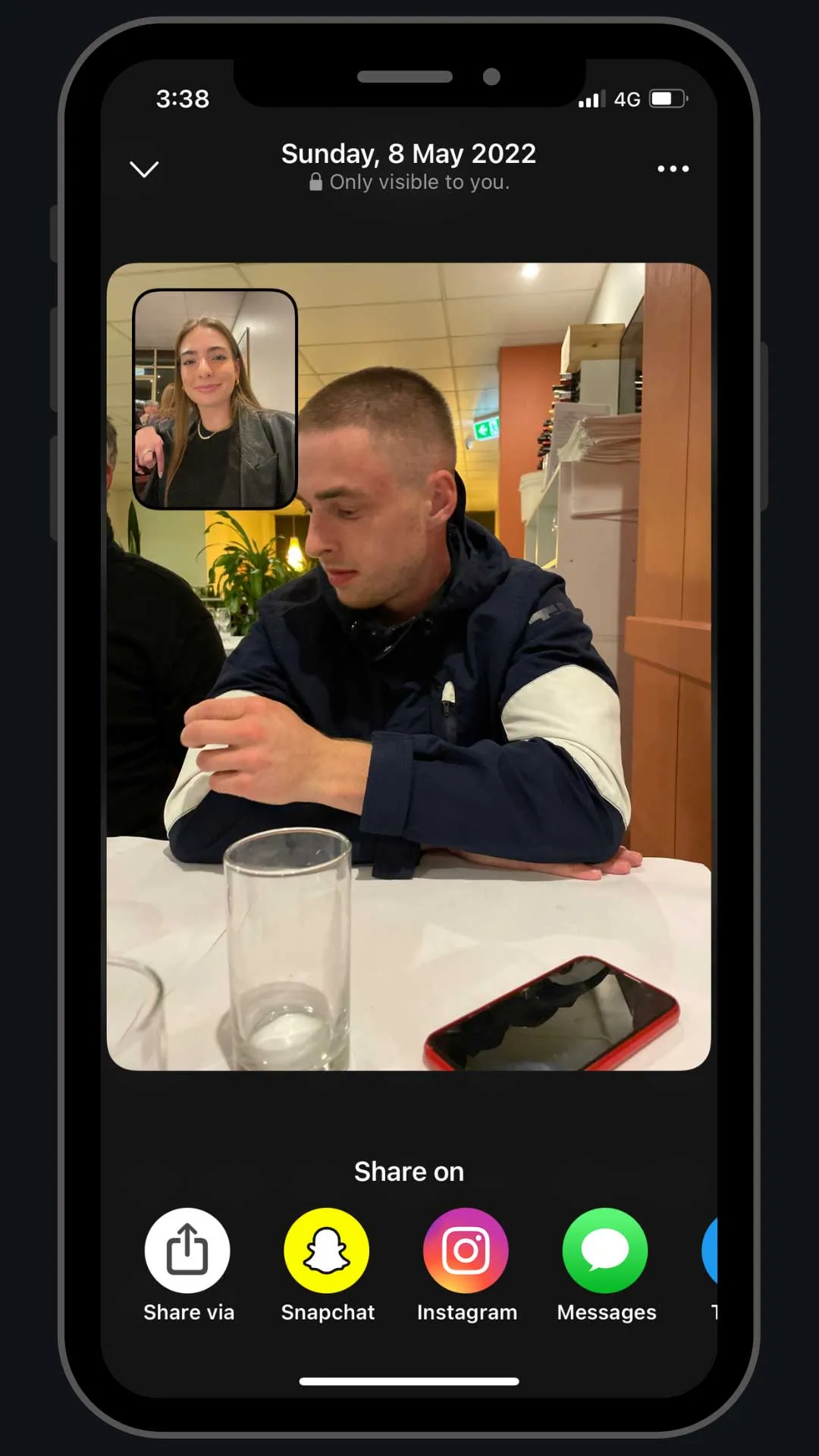
The constraint was the product. Users could only shoot and publish unedited views from their phone’s front and back cameras at the same time. No uploads from the camera roll. No in-app editing. The lack of options was the entire point. It removed the gap between the moment and the post.
That landed because the wider culture was already moving. In 2022, social users were swapping VSCO-edited images for raw photo dumps, “ugly” Instagram feeds were trending, and in-the-moment filler photos were everywhere. TikTok had already trained a generation to want less production and more honesty. BeReal didn’t create the appetite for authenticity. It named it.
How does BeReal work?
The mechanics are simple, which was the whole appeal.
One notification a day. Every user gets the same notification at the same moment, at a different random time each day. From the moment it lands, you have two minutes to capture what you’re doing. No filters, no editing, no retouching, only retakes, and the app tells your friends how many you took.
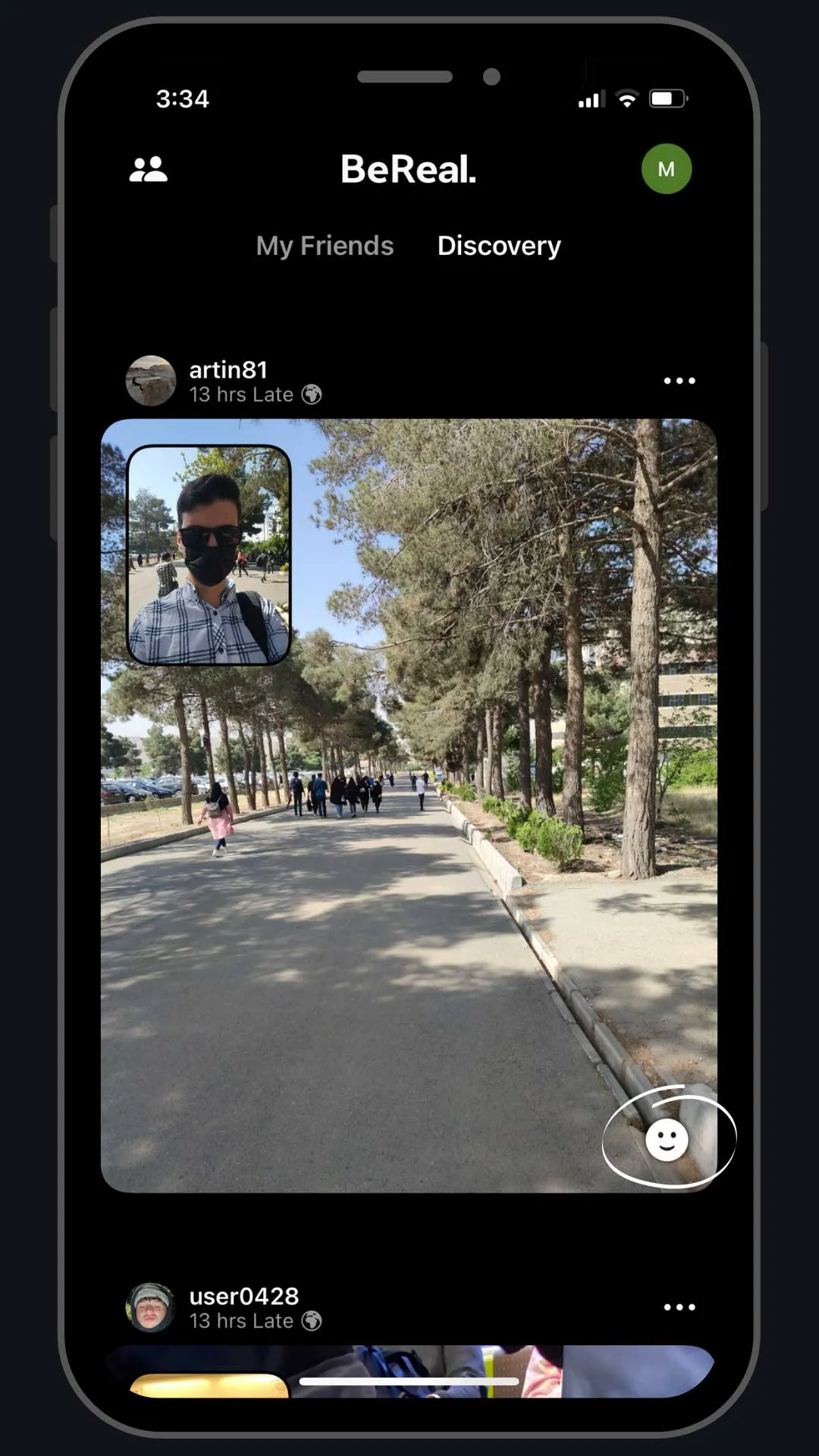
Private or public. You can keep a post to your friends or publish it to the Discovery page, where any user can see and react. Because everyone posts in the same window, the feed is a snapshot of thousands of lives happening at once, a format no other platform offered.
Late posts allowed. Miss the two-minute window and you can still post, flagged as late. The only catch: you can’t see your friends’ posts for the day until you’ve shared your own.
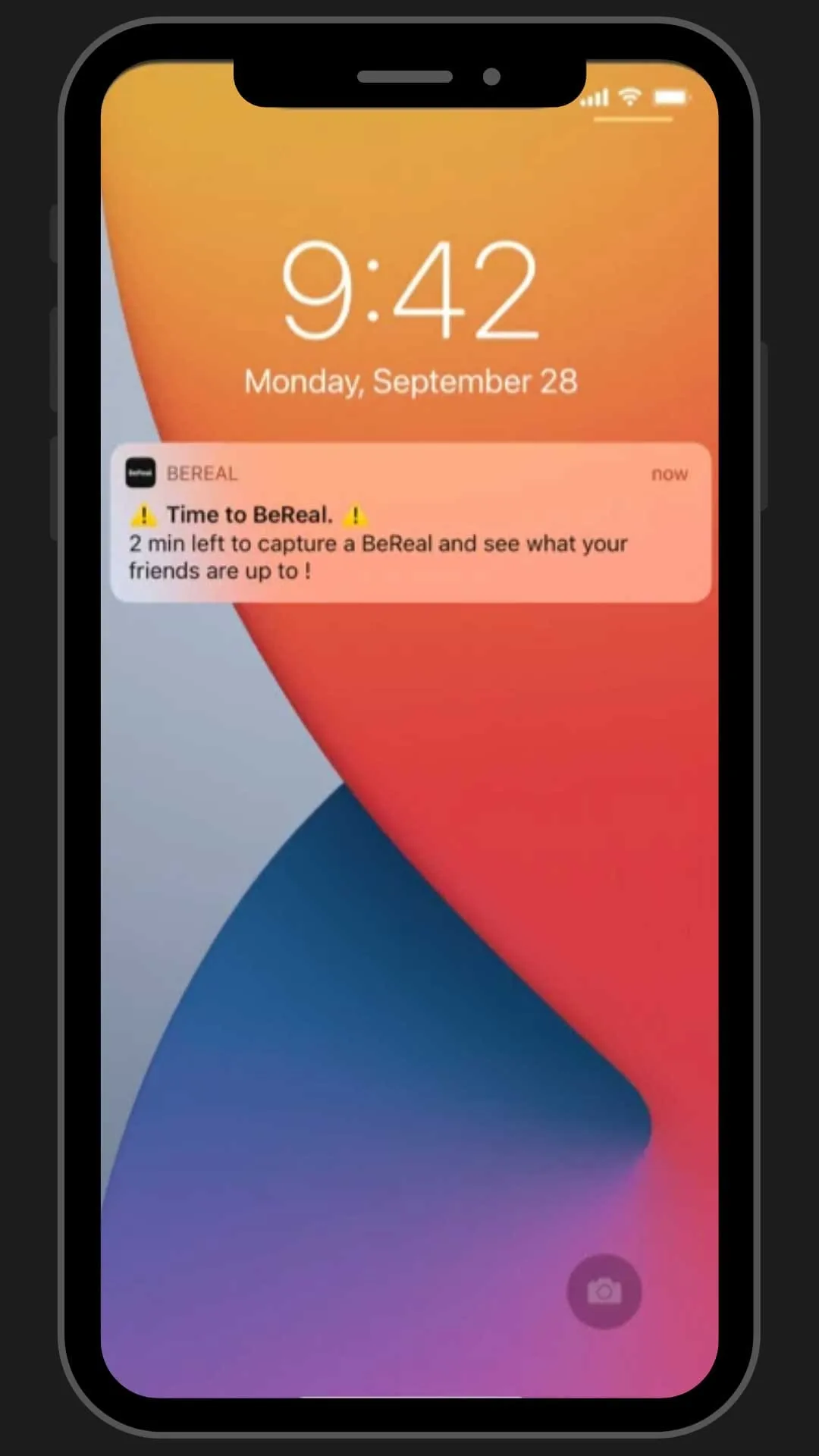
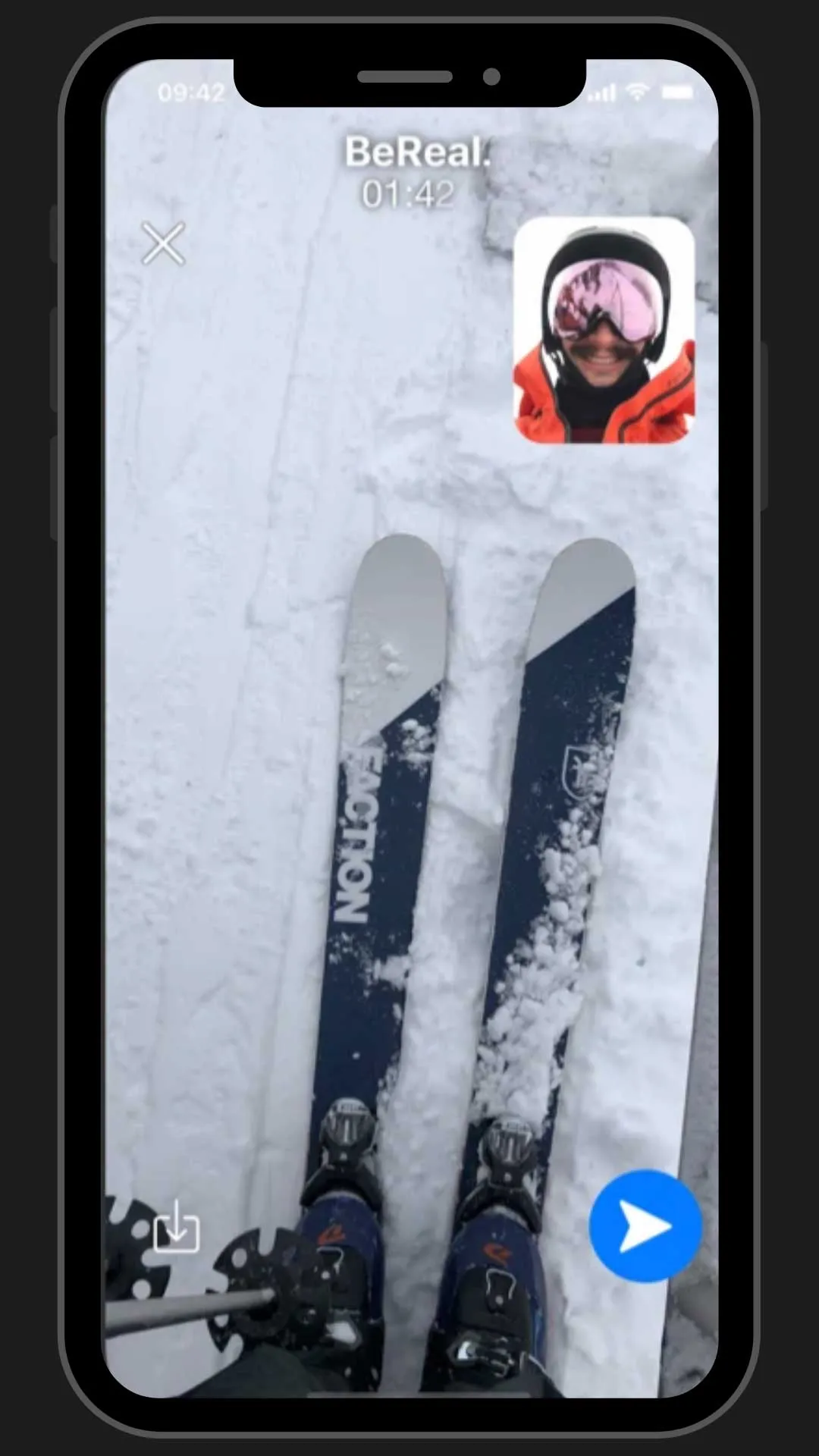
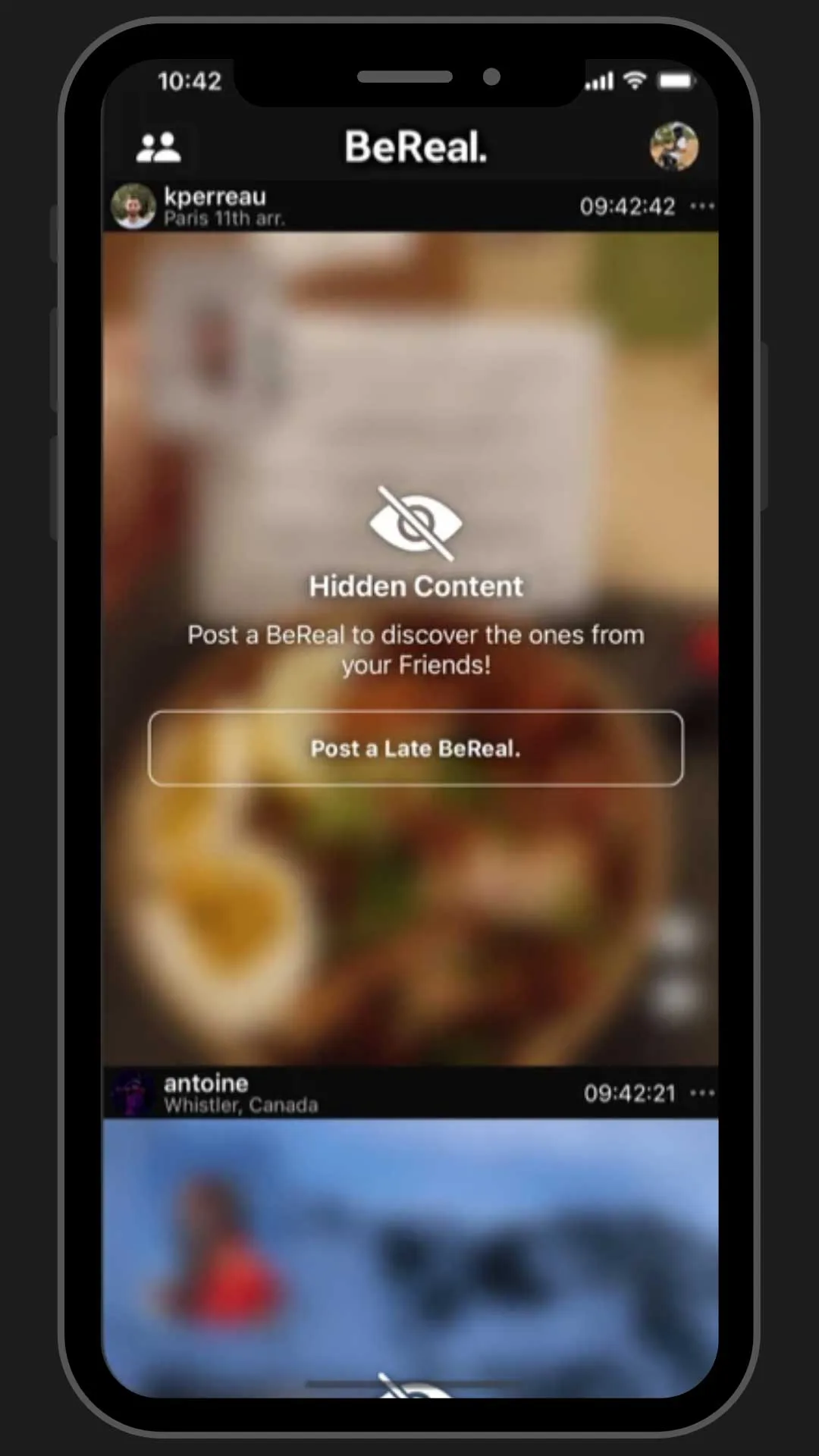
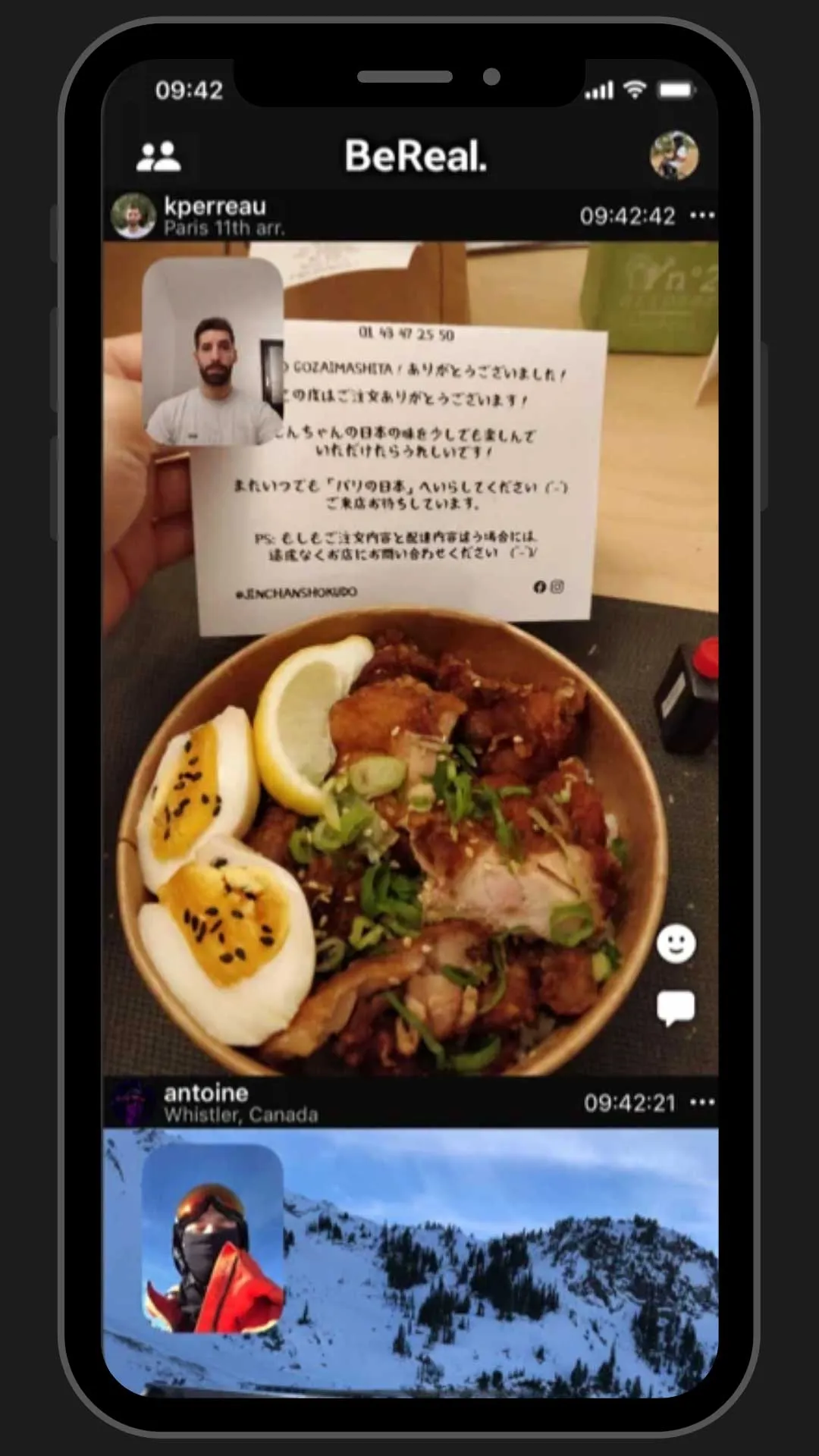
The unwritten rule was to post the moment the notification hit. Waiting until you were doing something “cooler” defeated the point, and broke the honesty the whole app traded on.
Reacting, friends and memories
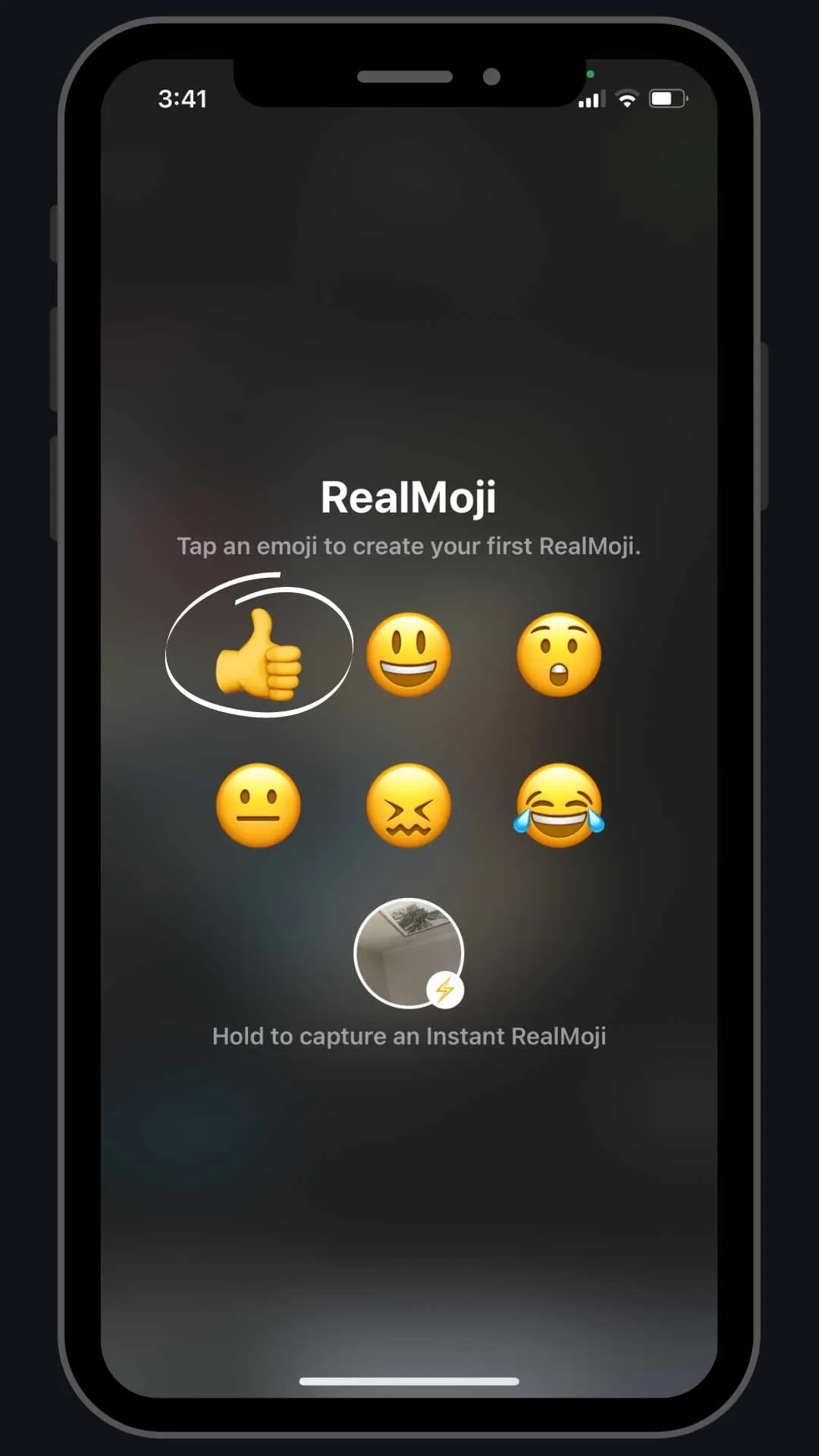
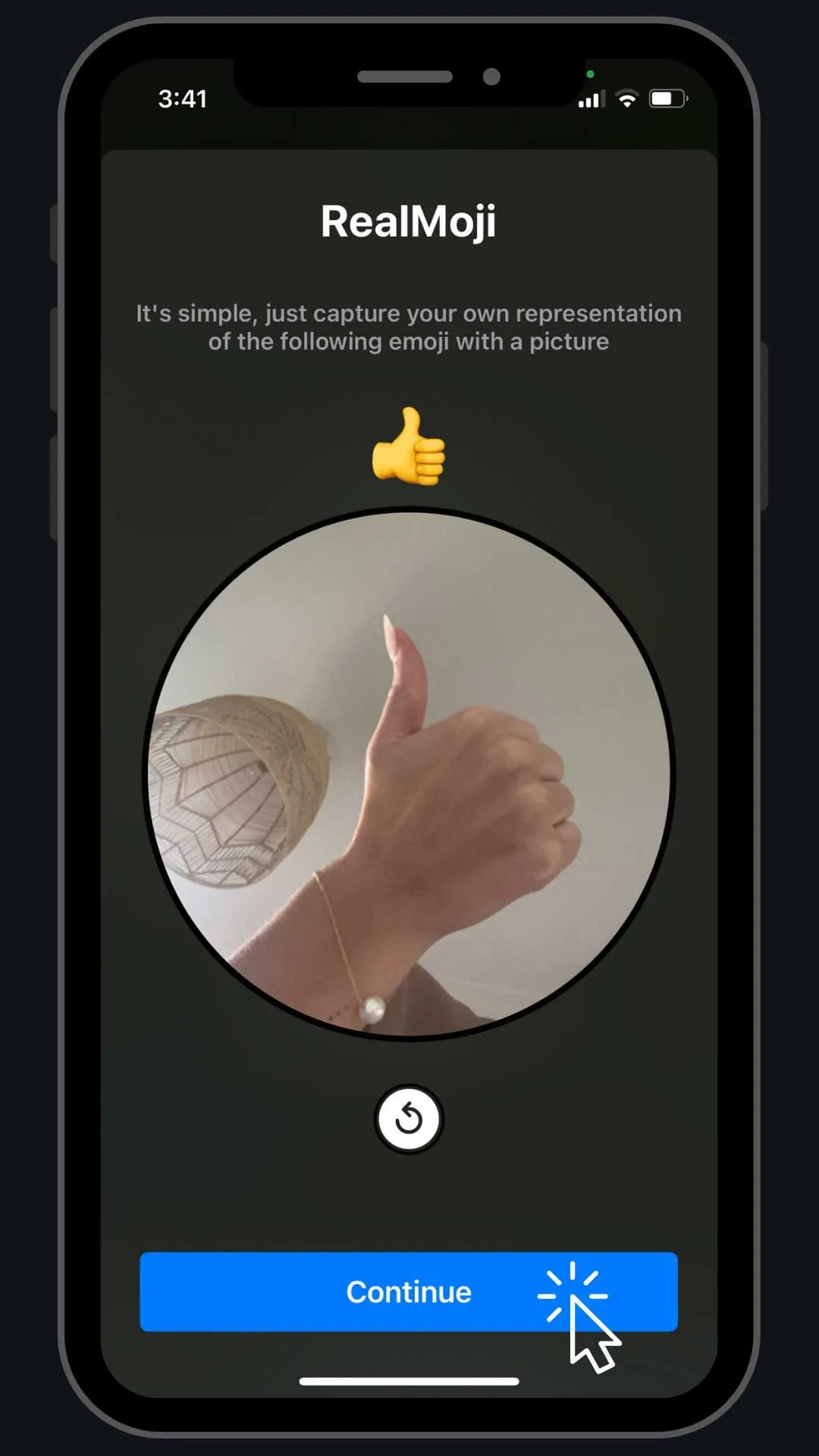
BeReal kept interaction just as stripped-back. You could comment on a friend’s post, or react with a RealMoji, a selfie of your own face recreating one of six emojis, rather than a tap on a pre-made icon. Even the reactions had to be real.
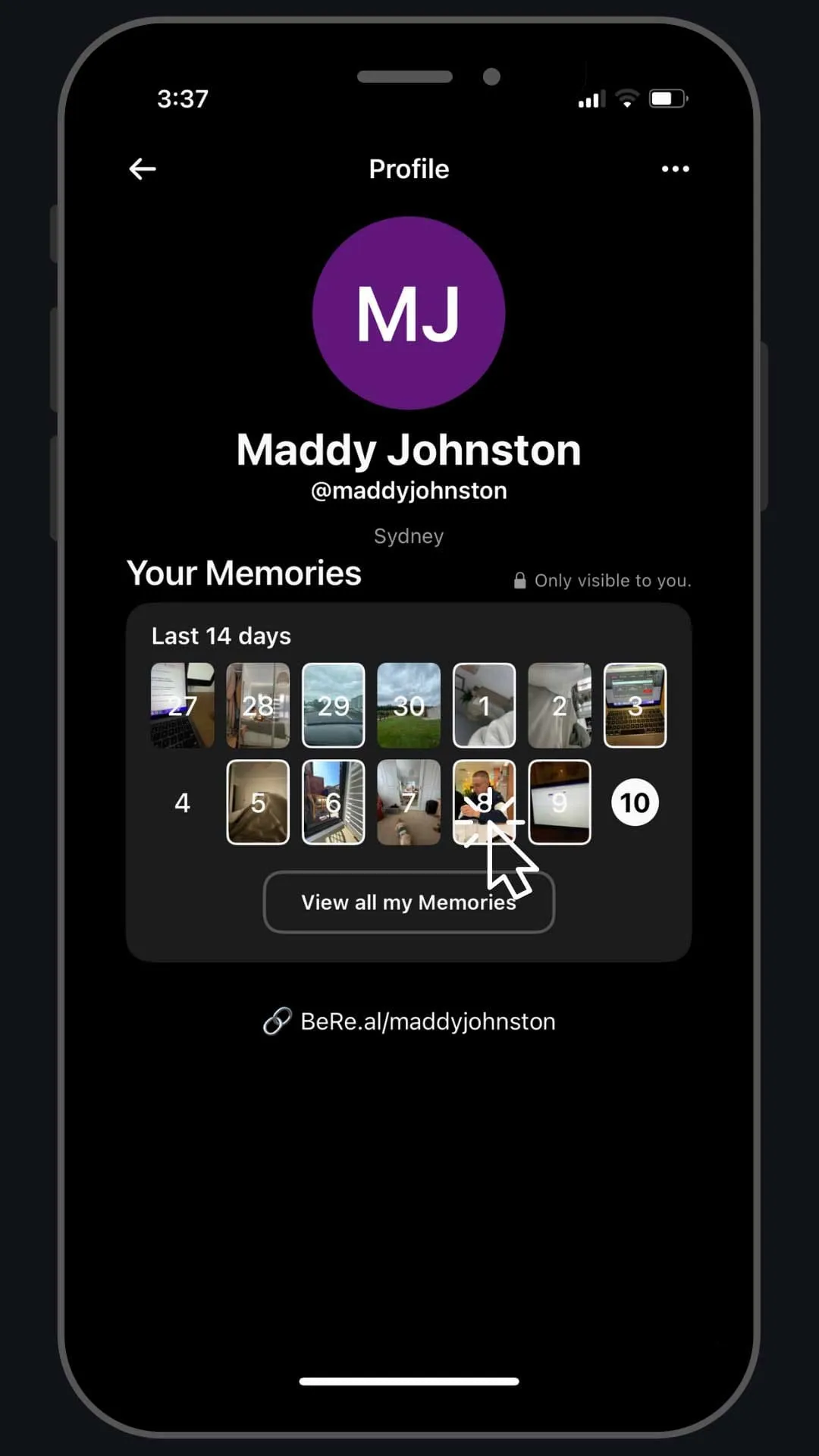
Adding friends ran through usernames, friend suggestions and the Discovery page. And every post you made was saved to a private calendar of Memories, turning the app into a low-effort diary of ordinary days.
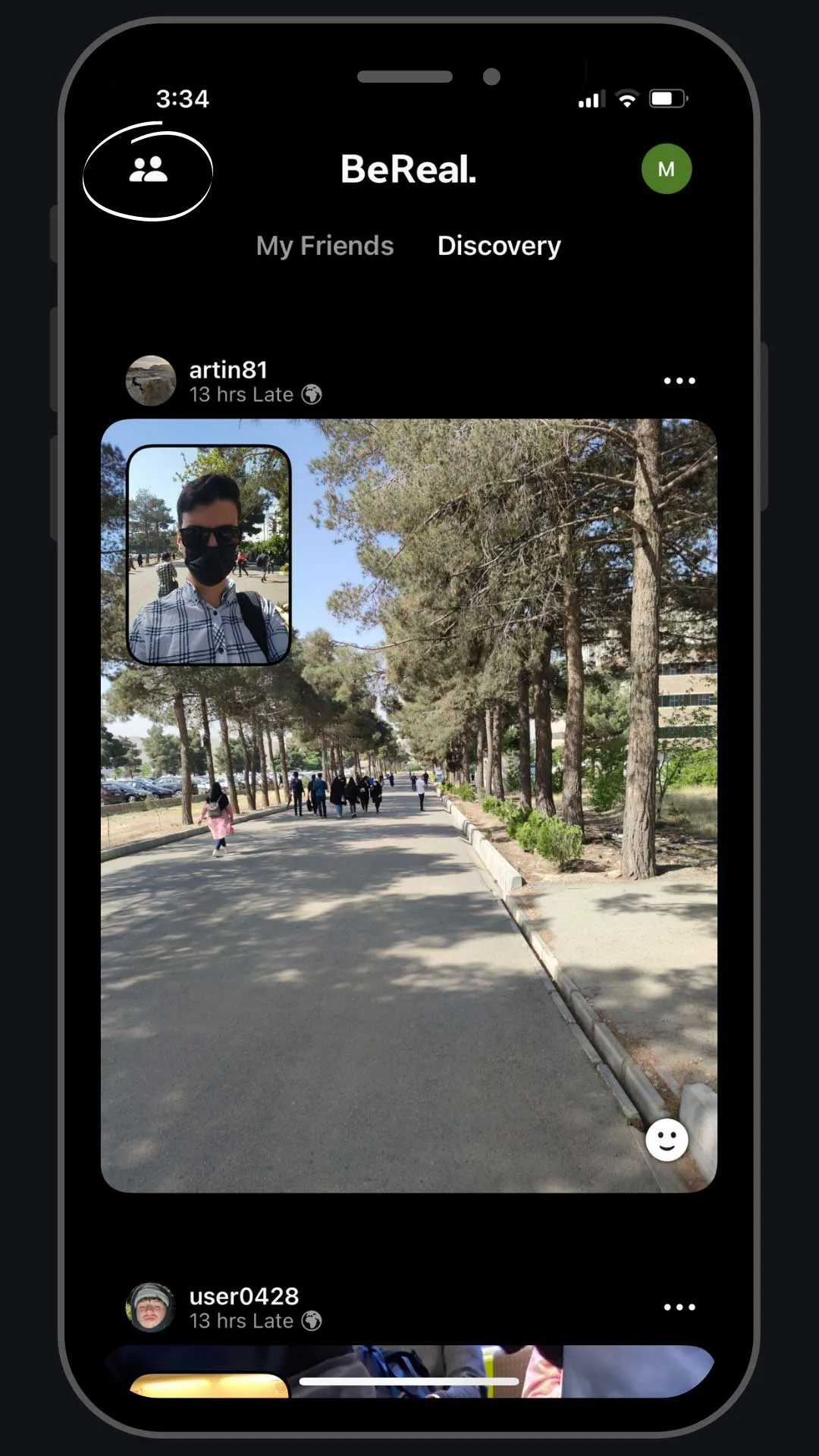
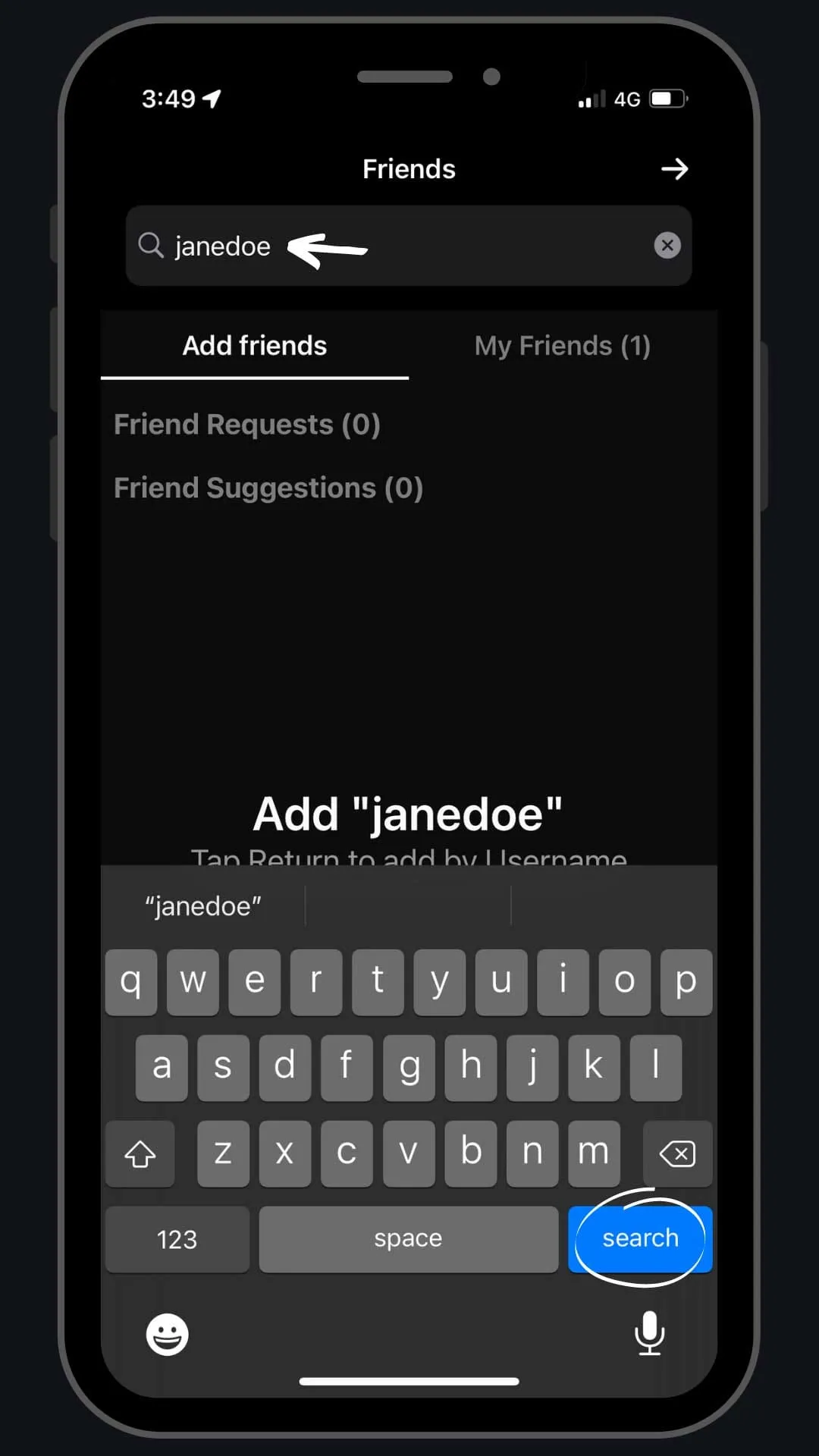
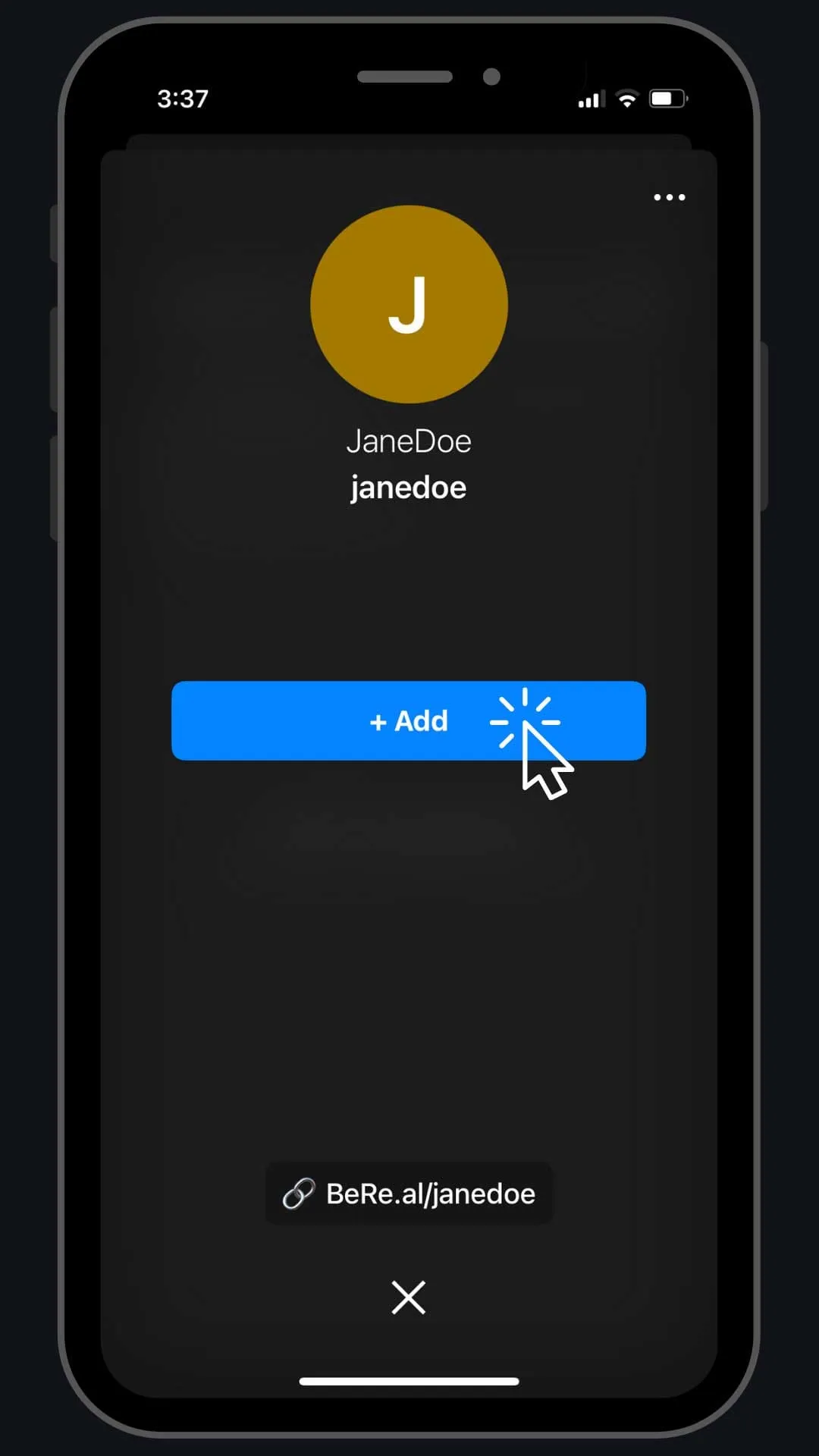
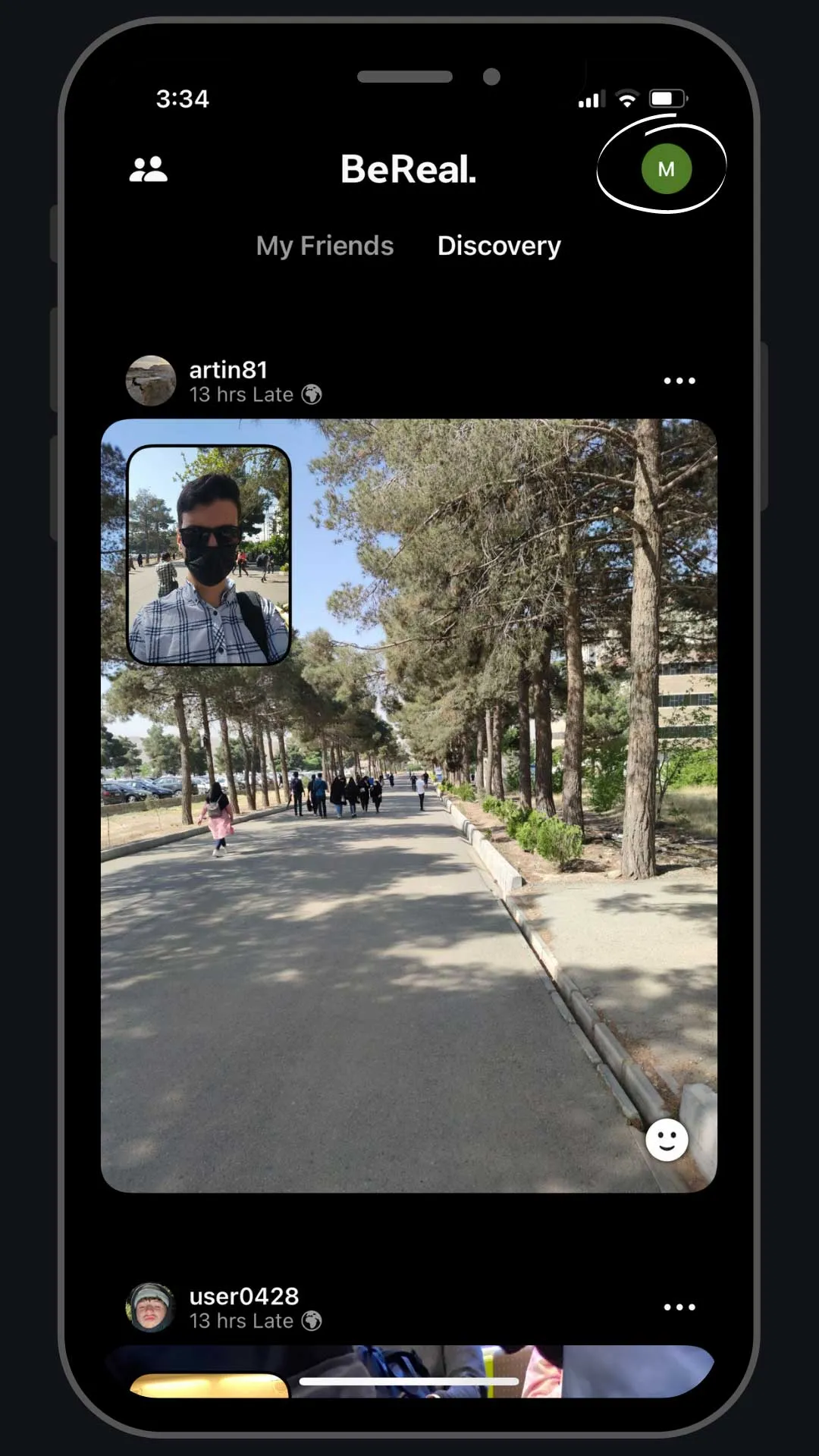
Why did BeReal blow up with Gen Z?
BeReal grew from 10,000 daily active users in early 2021 to 10 million daily active users by mid-2022. And the bulk of that audience was Gen Z.
The numbers were lopsidedly young. As of February 2022, 80% of BeReal’s iOS users in France, its home market, were aged 16 to 24. Around 65% of the app’s lifetime downloads came in 2022 alone, driven almost entirely by word of mouth across US college campuses, supported by a student ambassador programme.
None of that was an accident of features. It was a generation choosing the platform that asked the least of them. No performance, no maintenance of an image, no feed to curate. For an audience raised on the pressure of the highlight reel, the absence of pressure was the feature.
What happened to BeReal?
The same constraint that made BeReal sticky also capped it. One photo a day, no real reason to open the app twice, and a format that was hard to extend. Daily active use slid through 2023 as the novelty settled, and in mid-2024 BeReal was acquired by Voodoo, a mobile games and apps company, for a reported €500 million.
That’s not a failure story. BeReal did what category-defining moments do: it forced everyone else to adapt. The bigger platforms absorbed the idea rather than the app. Instagram pushed its own dual-camera, BeReal-style feature. TikTok and Instagram both leaned harder into raw, unpolished, “made on a phone” content. The behaviour BeReal isolated, post the moment, not the edit, is now the default texture of social feeds.
The app was the experiment. The result is permanent.
What BeReal taught brands about authenticity
Here’s how we read it: BeReal was never really a channel decision. It was proof of a shift in what audiences reward.
For years, brands optimised social content the way they optimised everything else: more production, more polish, more control. BeReal demonstrated, with ten million people, that the opposite often performs better. Unfiltered beats staged. Presence beats perfection. The content that looks like it took five seconds frequently earns more trust than the content that took five days.
That’s the durable lesson, and it has nothing to do with whether BeReal still exists. The brands that learned it kept the behaviour and moved it onto the platforms where their audience actually lives, TikTok, Instagram, creator content, instead of chasing the next two-minute app. UK fashion brand Motel Rocks, for instance, used the raw, behind-the-scenes register early; the format outlasted the platform.
The mistake is treating “authenticity” as a content style you switch on. It isn’t a filter you remove. It’s a system: who creates for you, how close they are to your audience, and whether the unpolished moments are real enough to be believed. Creators are the engine of that, not because they make rougher content, but because they have the standing to make honesty land.
When authenticity is engineered into how you work with creators, rather than faked in a single post, it compounds. The next BeReal will come and go. The appetite it exposed won’t.
FAQs
Is BeReal still around?
Yes, the app still operates, but its peak was 2022. Daily usage declined as the novelty faded, and BeReal was acquired by Voodoo in mid-2024. Its influence now lives mainly in the unpolished, in-the-moment content style that other platforms adopted.
How does BeReal work in one line?
Once a day, at a random time, every user gets a notification and has two minutes to post a single unedited photo using both phone cameras at once: no filters, no uploads, no retakes that go unflagged.
Why did Gen Z love BeReal?
It removed the pressure of the curated feed. There was nothing to perform, edit or maintain, which made it feel honest and low-effort compared with Instagram or TikTok, exactly what a generation raised on the highlight reel wanted.
What’s the real lesson for brands?
Not “post on BeReal”. The lesson is that audiences increasingly reward unfiltered, in-the-moment, creator-led content over staged production, wherever they spend their time. Build that authenticity into how you work with creators, not into a one-off stunt.
The platform was the trend. The behaviour is the system.
BeReal had its moment, and the moment passed. What it revealed about how Gen Z relates to content didn’t. Audiences now reward honesty over polish almost everywhere. And the brands that win are the ones that build that into their creator strategy instead of chasing whichever app embodies it this quarter.
That’s the work we do. Vamp is a tech-enabled influencer marketing agency: we design creator-led growth systems that turn cultural signals like this one into sustained, measurable relevance, not a scramble after the next big app. Talk to us.