Instagram monetisation: how creators and brands earn on Instagram
Instagram monetisation is the practice of earning money on Instagram by turning your audience, content and influence into revenue.
For creators, that means paid partnerships, subscriptions, badges, affiliate links, Reels ads and sponsored posts. For brands, it means Instagram Shopping and creator collaborations that drive real sales. The right mix depends on your account, your audience and the eligibility rules behind each feature.
This guide covers every way to monetise Instagram, the requirements for each, and how many followers you actually need to start.
Key takeaways:
- There is no single way to monetise Instagram. There are at least eight, and the strongest accounts run several at once.
- Some features (badges, subscriptions, Reels ads) have follower or age thresholds; others (affiliate, link in bio, paid partnerships) have none.
- Followers open doors, but engagement and trust are what actually convert attention into income.
- For brands, monetisation is less about a single post and more about building a creator system that compounds.
What is Instagram monetisation?
Instagram monetisation is the process of earning money through the platform by leveraging your influence, content or brand. For creators, a monetisation strategy usually combines brand partnerships, product promotion and Instagram’s own paid features. For brands, it means using the platform, and the creators on it, to drive measurable sales.
Instagram is no longer just a place to share photos. Alongside the other major social platforms, it has become serious commercial infrastructure: a storefront, a discovery engine and a payments rail in one. Meta has invested heavily in keeping it that way, pledging over $1 billion into creator-economy programmes and continuing to expand the tools that let creators earn directly.
The practical takeaway: more ways to earn exist now than ever before. The question is which ones fit your account.
How do you monetise Instagram?
Below are the main ways to earn on Instagram. Most creators don’t pick one. They layer several, so a single audience supports multiple income streams.
Paid partnerships and influencer marketing
Paid partnerships are the backbone of creator income. A brand pays a creator to feature its product or service over an agreed period, either in cash or in product. They’re the most scalable option because they don’t depend on a follower threshold. They depend on trust and relevance.
This is also where most of a brand’s budget should sit. The brands that win don’t book one-off posts; they build ongoing creator relationships that compound in credibility and performance over time. Building those systems is the work we do at Vamp.
Badges in lives
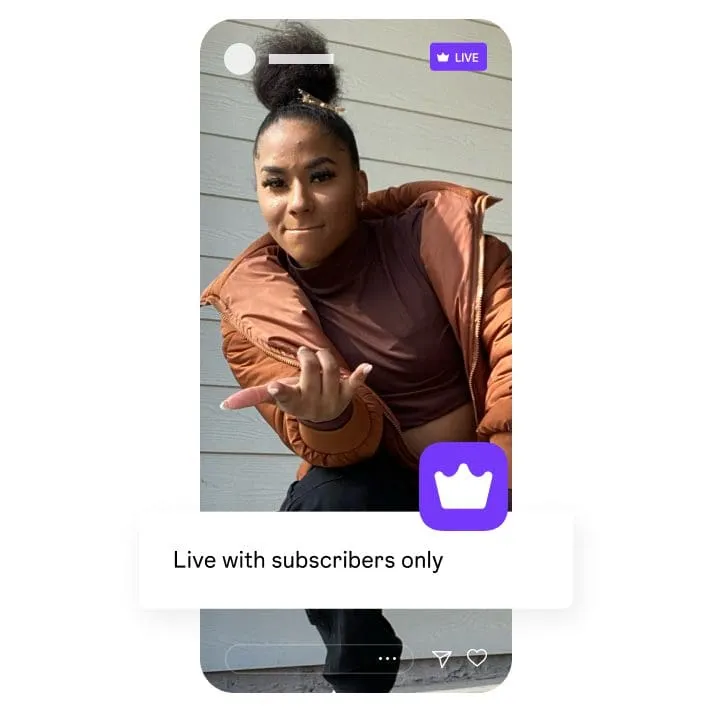
If you go live and have an engaged audience, viewers can buy badges to support you. It’s a direct appreciation mechanic during live streams and a reliable stream for creators who broadcast consistently.
Subscriptions
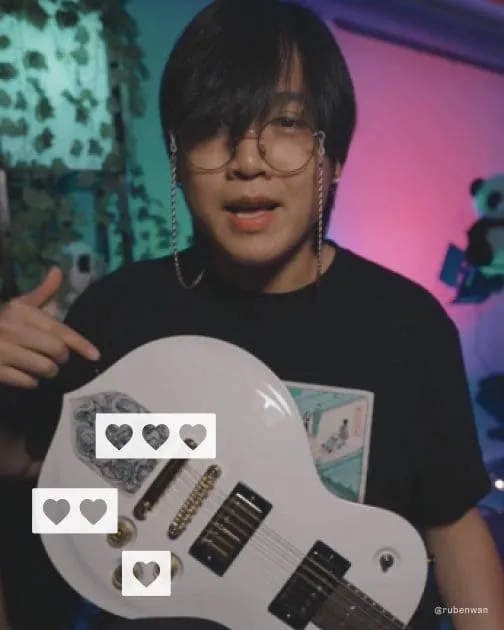
If you produce exclusive content or specialist resources, Instagram subscriptions let followers pay a recurring fee for premium access. This works especially well for educators and professionals in specialised fields, where the audience values depth over reach.
Affiliate marketing
With affiliate marketing, you promote products through unique links in your posts, Stories or bio. When followers buy through your link, you earn a commission. There’s no follower minimum, which makes it one of the fastest ways for a newer account to start earning.
Link in bio
The link in bio is the simplest monetisation lever on the platform. Point followers to your store, your website or a landing page, and let the traffic do the work. Test different bio descriptions and track your analytics to see which version converts best.
Ads on Instagram Reels
If you make popular Reels, you may be eligible to earn a share of the ad revenue your content generates. For creators whose strength is short-form video, enabling ads turns reach you already have into income.
Sponsored posts
Sponsored posts let a creator feature a brand’s product in a post or Story in exchange for payment. They can be a one-off or a series, and like paid partnerships, they don’t require a set follower count. Relevance and engagement matter more than scale.
Instagram Shopping
Instagram Shopping lets brands showcase and sell products directly from their profile. Plan product drops around a content calendar so your strategy lines up with high-intent shopping windows like Black Friday and Christmas.
How do you set up an Instagram Shop?
To monetise through Instagram Shopping, you’ll need to set up a shop:
- Make sure your Instagram profile is a business or creator account
- Go to Settings in your Instagram app
- Tap Business
- Tap Set up Instagram Shopping and follow the onboarding steps
- Connect your product catalogue from a supported platform
- Add products and publish your shop
Once your shop is live, you can tag products in Reels and Stories or run a live shopping event.
How do you become eligible for monetisation on Instagram?
Eligibility varies by feature (the thresholds are below), but a few fundamentals make every monetisation route work harder:
- Build a strong profile. Optimise your bio, use high-quality images and keep a consistent brand identity, so a first-time visitor immediately understands who you are.
- Grow an engaged audience. Experiment with what your audience actually responds to organically before you try to monetise it.
- Engage genuinely. Reply to comments, messages and DMs. An engaged community is what makes recommendations land.
- Stay within the rules. Check Instagram’s partner monetisation policies so your account stays compliant.
If you’re still on a personal page, switch to a Business or Creator account. It’s free, and it unlocks the insights you need to improve your content and track results.
What are the requirements for each Instagram monetisation feature?
Every option requires you to comply with Instagram’s partner monetisation policies, community guidelines and content monetisation policies. Beyond that, the specific thresholds are:
| Feature | Follower / age requirement |
|---|---|
| Paid partnerships & sponsored posts | No follower minimum |
| Affiliate marketing | Business or creator account; no follower minimum |
| Link in bio | None |
| Badges in lives | 18+ and at least 10,000 followers |
| Subscriptions | Professional account, 18+, at least 10,000 followers |
| Ads on Reels | 18+ with a creator account |
| Instagram Shopping | Must meet commerce eligibility requirements and commerce policies |
Subscriptions also carry their own terms of use, and Instagram Shopping requires agreement to Instagram’s commercial terms and platform policies.
How many followers do you need to monetise Instagram?
Fewer than most people assume. Several of the strongest options, affiliate marketing, paid partnerships, sponsored posts and link in bio, have no follower minimum at all. Badges and subscriptions need 10,000, but those are far from the only routes to income.
This matters for brands too. It’s tempting to chase the biggest follower counts when choosing creators, but reach is a weak predictor of results. A creator with a smaller, tightly engaged community often converts better than one with ten times the audience and a tenth of the trust. Authenticity, creativity and a genuine connection to followers are what move product, not the number under the username.
FAQs
Can you make money on Instagram with a small following?
Yes. Affiliate marketing, paid partnerships, sponsored posts and link in bio all work without a follower minimum. A small, engaged niche audience can out-earn a large, passive one because trust converts better than reach.
How many followers do you need to monetise Instagram?
It depends on the feature. Badges and subscriptions require 10,000 followers and an account holder aged 18 or over. Paid partnerships, affiliate marketing, sponsored posts and link in bio have no follower threshold.
What is the best way to monetise Instagram?
There isn’t one. The most resilient creator accounts run several streams at once, a paid partnership base, plus affiliate links, subscriptions or Reels ads, so a single audience supports multiple sources of income.
Do brands monetise Instagram differently from creators?
Yes. Creators earn from their audience; brands use creators and Instagram Shopping to drive sales. For brands, the highest-return approach is rarely a single post. It’s an ongoing creator programme built to compound.
The opportunity is real. The strategy is what separates earning from guessing.
Instagram gives creators and brands more ways to earn than ever. But the platform only hands you the tools. Turning them into reliable, compounding revenue takes a system: the right creators, the right content, the right distribution, measured and improved over time.
That’s the work Vamp does. We’re a tech-enabled influencer marketing agency that designs creator-led growth systems for brands, so influence on Instagram doesn’t just earn once, it performs again and again.