How the Instagram algorithm works (and how to work with it)
There is no single Instagram algorithm. There are several, one for Feed, one for Stories, one for Reels, one for Explore, and each ranks content on the same underlying question: how likely is this person to care?
Get that question right and distribution follows. Get it wrong and no amount of posting frequency will save you. Instagram’s CEO Adam Mosseri has been consistently clear that the platform runs multiple ranking systems, each tuned to a different surface and a different set of signals. Understanding those signals is how brands move from guessing to engineering, and it’s the difference between content that’s seen and content that’s served.
This guide breaks down how the Instagram algorithm works in 2026, surface by surface, and what brands should actually do about it.
Key takeaways:
- There isn’t one algorithm. Each surface, Feed, Stories, Reels, Explore, ranks content differently.
- Every system optimises for the same thing: predicted interest. Relationship, content type and recency are the recurring signals.
- Reels remain the strongest organic distribution surface, because Explore-style discovery reaches people who don’t follow you.
- Consistency and genuine engagement signal value to the system. So-called “hacks” don’t.
- Reach is the metric the algorithm gives you. Relevance is the one that compounds.
How does the Instagram algorithm work?
Across every surface, Instagram is trying to predict how interested a given person is in a given piece of content. Three factors drive that prediction:
- Your relationship to the viewer. Whether you follow each other, message each other, or interact with each other’s content. The closer the relationship, the higher the ranking.
- The viewer’s interests. What they like, save and watch to completion. If someone consistently engages with fashion or fitness, the system serves them more of it.
- Content relevance and recency. Newer content is favoured. On a fast-moving feed, even 12–24 hours counts as old. The system also weighs how much time a person spends on the app overall; light users see a tighter, safer set of content from people they already know.
These signals are weighted differently on each surface. Below is how that plays out where it matters.

How does the Instagram Feed algorithm work?
Feed leans heavily on relationship. It’s built to surface content from the accounts a person already follows and interacts with. Instagram weighs thousands of signals here, but four carry most of the load:
- Post engagement. How likely the post is to earn likes, comments, saves and shares, informed by how others have already responded, plus context like location and format.
- Poster history. How often people have interacted with your account before. Consistent posting and genuine replies build this signal over time.
- Viewer–poster affinity. How often that specific person has engaged with you in the past, used to predict whether they’ll engage again.
- Viewer activity. The kinds of posts that person tends to engage with, which shape what ranks higher for them.
Feed also protects variety. If someone sees too much from one account, Instagram throttles that account’s visibility to keep the feed diverse. Frequency without relevance works against you.
How does the Instagram Stories algorithm work?
Stories prioritise closeness even more sharply than Feed. The people a person interacts with most appear first. Because the audience is mostly your existing followers, Stories is where relationship is rewarded and where two-way signals matter.
Interactive stickers are the lever here. Polls, questions and quizzes prompt taps and replies, and those interactions tell the system the content is worth surfacing. Stories that invite a response outperform stories that simply broadcast.
How does the Instagram Reels algorithm work?
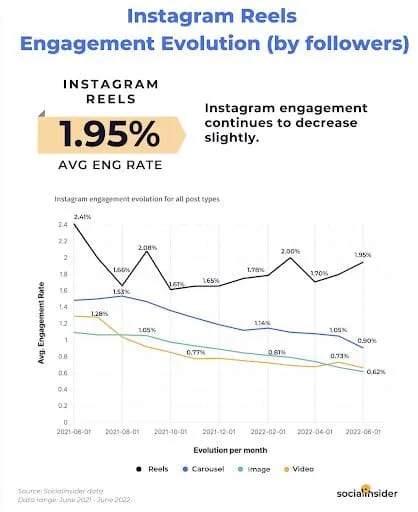
Reels is the surface built for discovery, which makes it the most valuable one for brands trying to reach beyond their current following. Video has been Instagram’s stated priority for years, and Reels still earns the strongest organic reach on the platform. Data from Social Insider has consistently shown Reels outperforming other formats on reach.
The system rewards completion and replay. Short, sharp, native video that holds attention to the end signals quality. Because Reels surfaces to people who don’t follow you, it’s the closest thing to compounding distribution Instagram offers. One strong Reel can keep earning reach long after you post it. If Reels isn’t central to your Instagram strategy, you’re leaving distribution on the table.

How does the Instagram Explore algorithm work?
Explore is pure discovery, almost entirely content from accounts a person doesn’t follow. It works by clustering interests: it looks at what someone has liked, saved and shared, then finds others with similar behaviour and serves content those people engaged with.
In practice, that means relevance is everything. You don’t reach Explore by being popular; you reach it by being unmistakably about something, a clear niche the system can confidently match to an interested audience.
How does the Instagram ads algorithm work?
Paid placement gives you a ranking advantage organic content can’t buy, but Instagram still won’t push weak or irrelevant ads, because poor ads cost it engagement too. To make the ad system work for you:
- Target precisely. Relevance beats spend. The wrong audience is wasted budget no matter how high you bid.
- Make ads feel native. Content that looks and behaves like the feed it sits in outperforms content that screams “advert”. The Instagram audience skews 18–34, and that audience scrolls past anything that interrupts.
- Stay consistent. A live, active account supports paid performance. The two systems aren’t separate. Organic signals feed the whole picture.
Do hashtags still affect Instagram ranking?
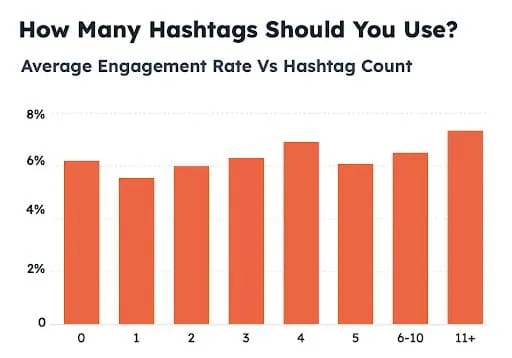
There’s no standalone “hashtag algorithm”, and hashtags carry far less weight than they once did. Instagram now leans on the content itself, captions, on-screen text, audio and visuals, to understand and categorise a post. Use a few genuinely relevant hashtags to add context, not 30 generic ones hoping for reach. Quality of signal beats quantity every time.
What is shadowbanning on Instagram?
“Shadowbanning” describes the feeling of being quietly suppressed by Instagram. Reach drops and you don’t know why. Instagram denies suppressing accounts in secret, and over recent years it has added transparency tools to explain when content isn’t eligible for recommendation.
Check your Account Status (Settings → Account Status in the app) to see whether your professional account is eligible to be recommended to non-followers, and whether any posts have been limited for breaching the recommendation guidelines. Most “shadowban” cases are content that quietly fell outside what Instagram will recommend, fixable once you can see it.
How can brands work with the Instagram algorithm?
You don’t beat the algorithm. You give it the signals it’s built to reward. Four hold up regardless of how the system evolves:
1. Post consistently
Consistency builds the poster-history signal and keeps you in the consideration set. Find a sustainable rhythm and hold it. A few Feed posts a week plus regular Stories is a sound baseline, and one Mosseri himself has pointed to. Cadence you can sustain beats a burst you can’t.
2. Prioritise Reels
Reels is where discovery lives. If brand awareness or audience growth is the goal, video is the surface that delivers it, because it reaches people beyond your following. Treat Reels as the engine, not the afterthought.
 Source: Social Insider
3. Earn engagement, don’t chase it
Original, high-quality content outranks bland or generic posts. The system reads completion, saves and shares as proof of value. Skip stock imagery that says nothing about you. Real people, real product, real moments give the algorithm something an audience actually responds to.
4. Lead with human storytelling
People respond to people. A story about how someone overcame a challenge will out-travel a product-first post every time, because it earns the engagement the system is looking for. The creators who do this best aren’t decorating your brand. They’re distribution. A creator who’s spent years earning a specific audience’s trust can put your brand in front of that audience with a credibility paid reach can’t manufacture.
That’s where the algorithm stops being the whole game. Ranking signals decide what gets seen; the relationships and content systems behind them decide whether being seen turns into growth.
How we see it
Most brands treat the algorithm as an opponent, something to outsmart with timing tricks and hashtag stacks. We don’t. The algorithm is infrastructure, and it consistently rewards the same thing: content people genuinely care about, delivered by accounts and creators an audience already trusts.
So the durable advantage isn’t gaming the ranking. It’s building an influence system the ranking can’t ignore: the right creators, producing native content, distributed across the surfaces where their audiences actually are, measured on relevance rather than raw reach. Get the system right and the algorithm works for you, not against you. That’s the harder, more valuable problem, and it’s the one we solve. Talk to us.
Instagram algorithm FAQs
How many Instagram algorithms are there?
There’s no single algorithm. Instagram runs distinct ranking systems for Feed, Stories, Reels and Explore, each tuned to that surface’s behaviour. They share the same goal, predicting interest, but weigh signals differently.
What is the most important Instagram ranking signal?
Predicted interest, built mainly from your relationship to the viewer, their demonstrated interests, and content recency. On Feed and Stories, relationship dominates; on Reels and Explore, interest-matching and content quality carry more weight.
Do business accounts get ranked differently from personal accounts?
The core ranking logic is the same. Business accounts don’t get penalised, but they do get tools personal accounts don’t, insights and paid promotion, which let them use audience data to sharpen content and, through ads, rank above organic competition.
How can small brands compete with larger ones on Instagram?
By winning on relevance rather than scale. A tight niche, real community engagement and credible creator partnerships let a small brand earn distribution that popularity alone doesn’t guarantee. The algorithm rewards interest-match, and a focused account matches interest better than a broad one.
Is the Instagram algorithm getting harder to grow on?
Organic reach is more competitive, but the logic is more transparent than ever. Growth now comes from quality content, the right distribution surfaces (Reels especially) and credible creators, not from frequency or hacks. Brands that build for relevance grow; brands that chase reach plateau.