Instagram advertising strategy: how to build one that performs

An Instagram advertising strategy is the plan that decides what you run, who you reach, and how you measure it, before you spend a cent on paid.
The brands that win on Instagram don’t start with the ad. They start with the objective, map ad formats to each stage of the funnel, and feed paid with the creator content that already earns attention organically. Get that order right and Instagram advertising becomes predictable. Get it wrong and you’re buying impressions with no idea what they’re worth.
This guide covers how Instagram advertising works, which ad types fit each funnel stage, how to set budgets and goals, and how to build a strategy that compounds rather than burns through budget.
The short version:
- A strategy comes before the spend: define the objective, then choose the format and audience to match.
- Match ad types to funnel stage: awareness, evaluation, conversion, retention each want different creative.
- Your strongest organic creator content is usually your strongest paid creative. Boost what already works.
- Reach is easy to buy. Relevance and downstream performance are what you’re actually paying for.
Is advertising on Instagram effective?
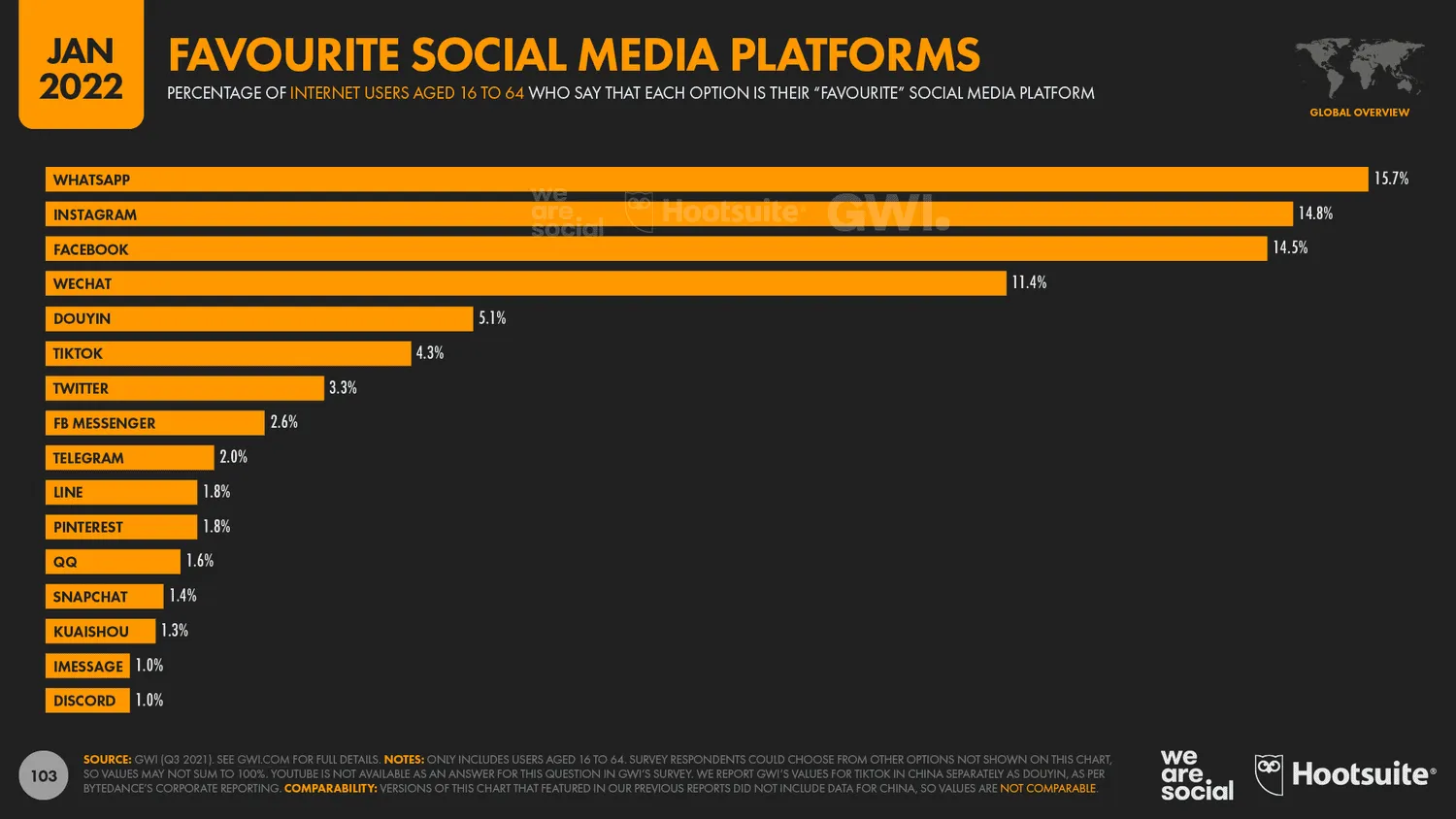
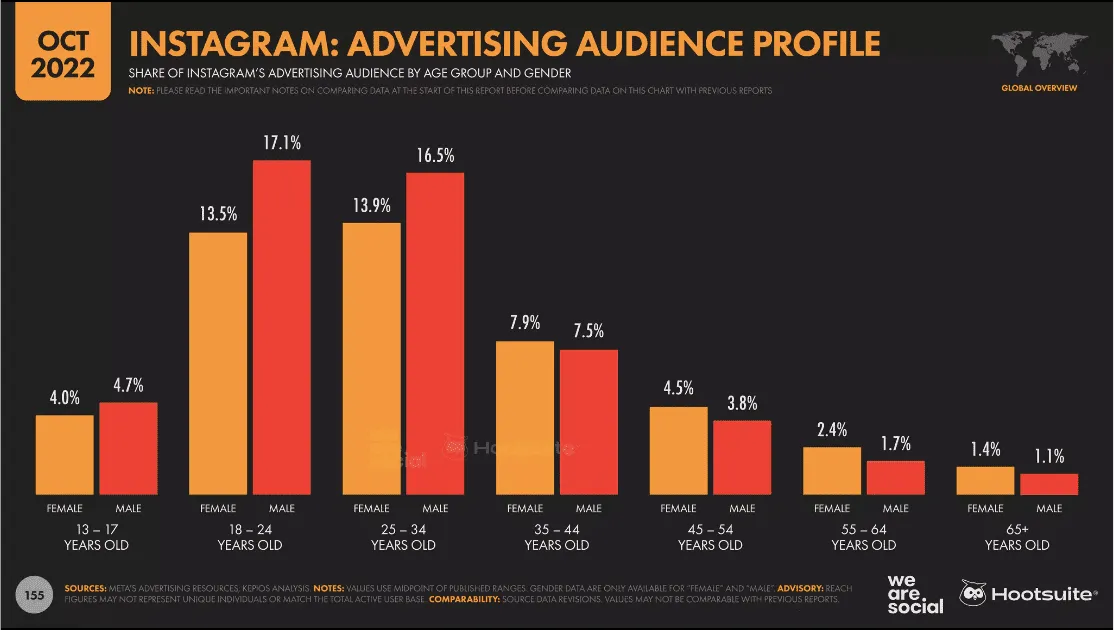
Yes, for the right brand, to the right audience. Roughly a fifth of the global population uses Instagram, but effectiveness depends on fit. The platform skews younger, with over 60% of global users aged 18–34, and it isn’t dominant in every market. If your audience lives elsewhere, the reach won’t follow.
Where the fit is right, the attention is real. Instagram users spend a meaningful share of their day in-app, and the platform has historically held one of the higher organic reach and engagement rates among the major networks, well ahead of Facebook and LinkedIn on organic reach. That combination of scale and engaged attention is what makes paid worth doing properly.
 Source: Hootsuite
What type of advertising does Instagram use?
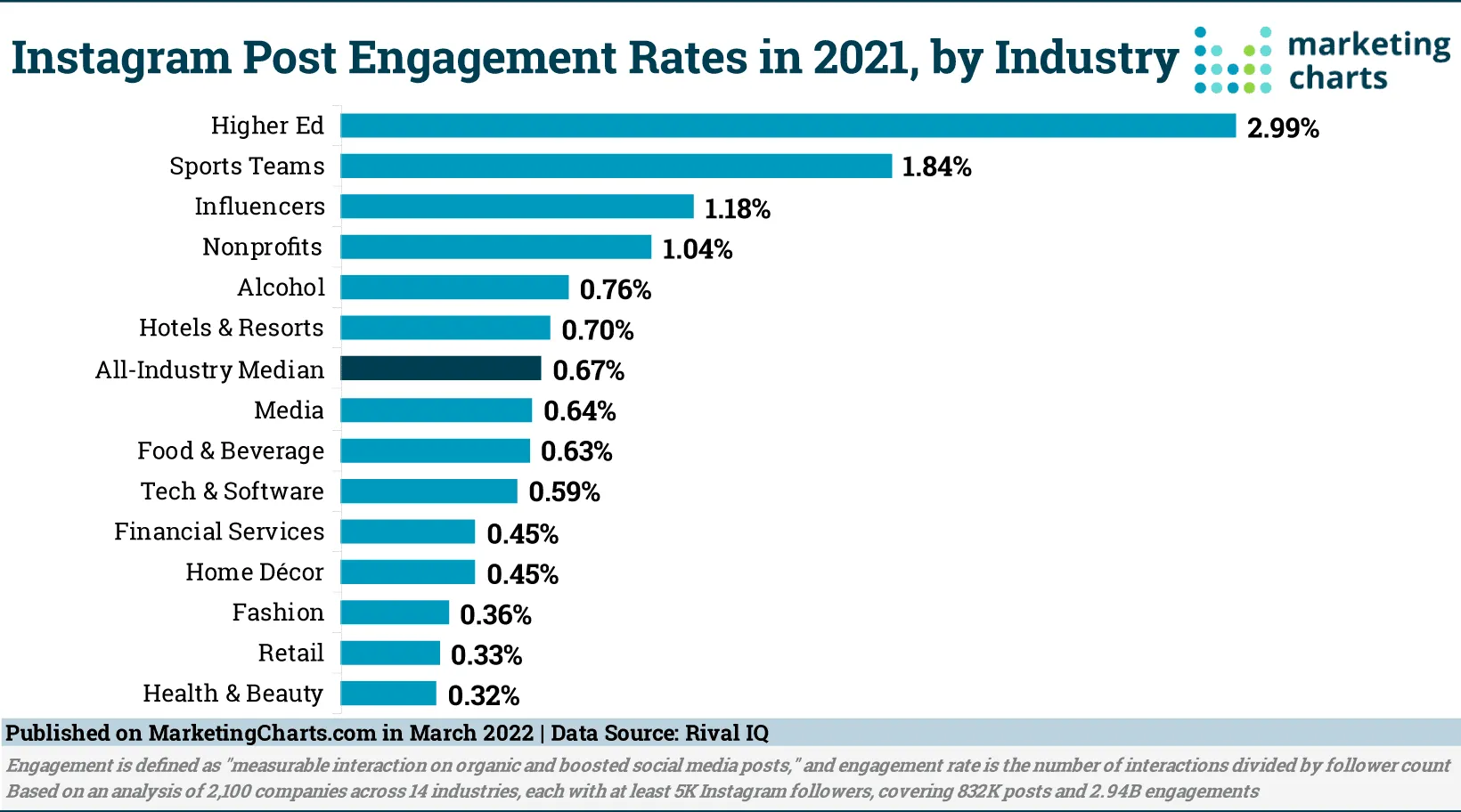
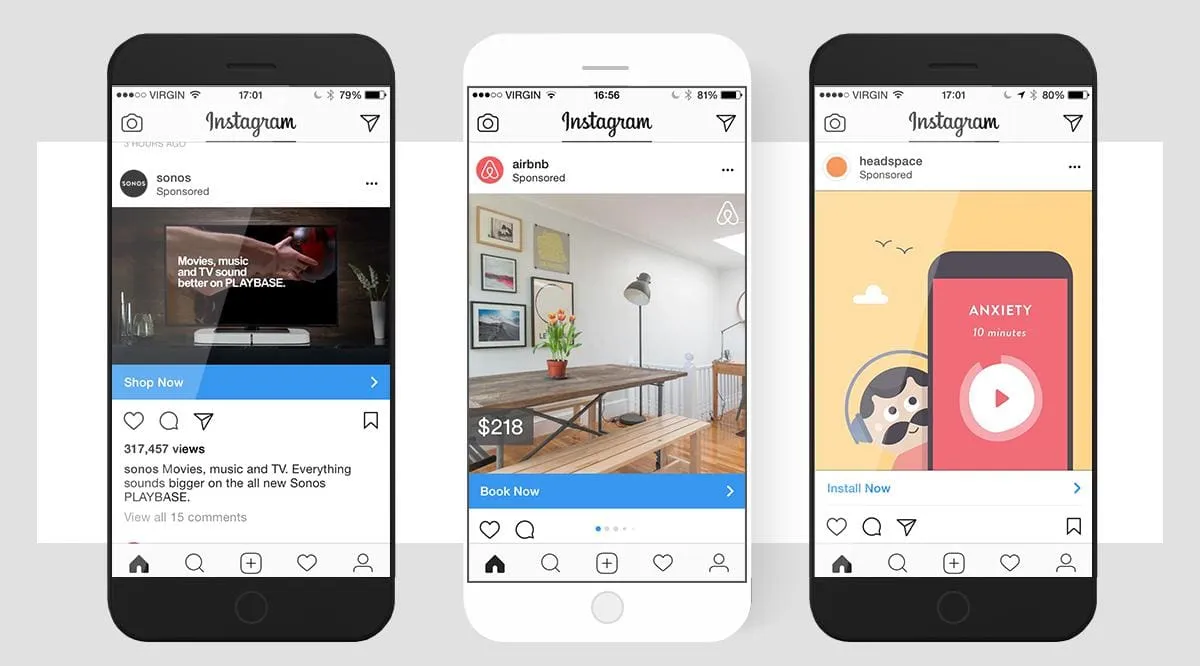
Instagram is a visual-first platform, so its ad formats are built around imagery and motion: video reels, single images, carousels (collections of images) and collections (dynamic product galleries). Each reaches and engages an audience in a different way.
The entry threshold is low. You can start small by boosting an existing post, or build a structured campaign with video, shopping links, carousels and tracking. The flexibility is a strength and a trap. Without a strategy, low friction just means faster spending.
Paid placements appear alongside organic content in Reels, Explore and Stories. The difference is the Sponsored tag under your account name and the shopping options attached.
 Source: Marketing Charts
How does Instagram advertising work?
You need a business or creator account before you can advertise (it’s free). If you’re starting from scratch, create a personal account first, then convert it.
#1 Create an Instagram account
Sign up on Instagram’s registration page using a mobile number or email, or download the app for iOS or Android and register there.
#2 Switch to a professional account
Go to Settings and select Switch to professional account. You’ll choose between a Creator or Business account. Pick whichever matches how your brand operates. Once converted, you unlock the advertising tools. To build campaigns, you’ll work in the Meta Ads Manager, which serves ads across Instagram, Facebook and Messenger.
Before you build, Meta asks you to choose a campaign objective. The current set is six options: awareness, traffic, engagement, leads, app promotion and sales. Meta keeps a reference table mapping these to older objective names if you need it.
#3 Get verified (optional)
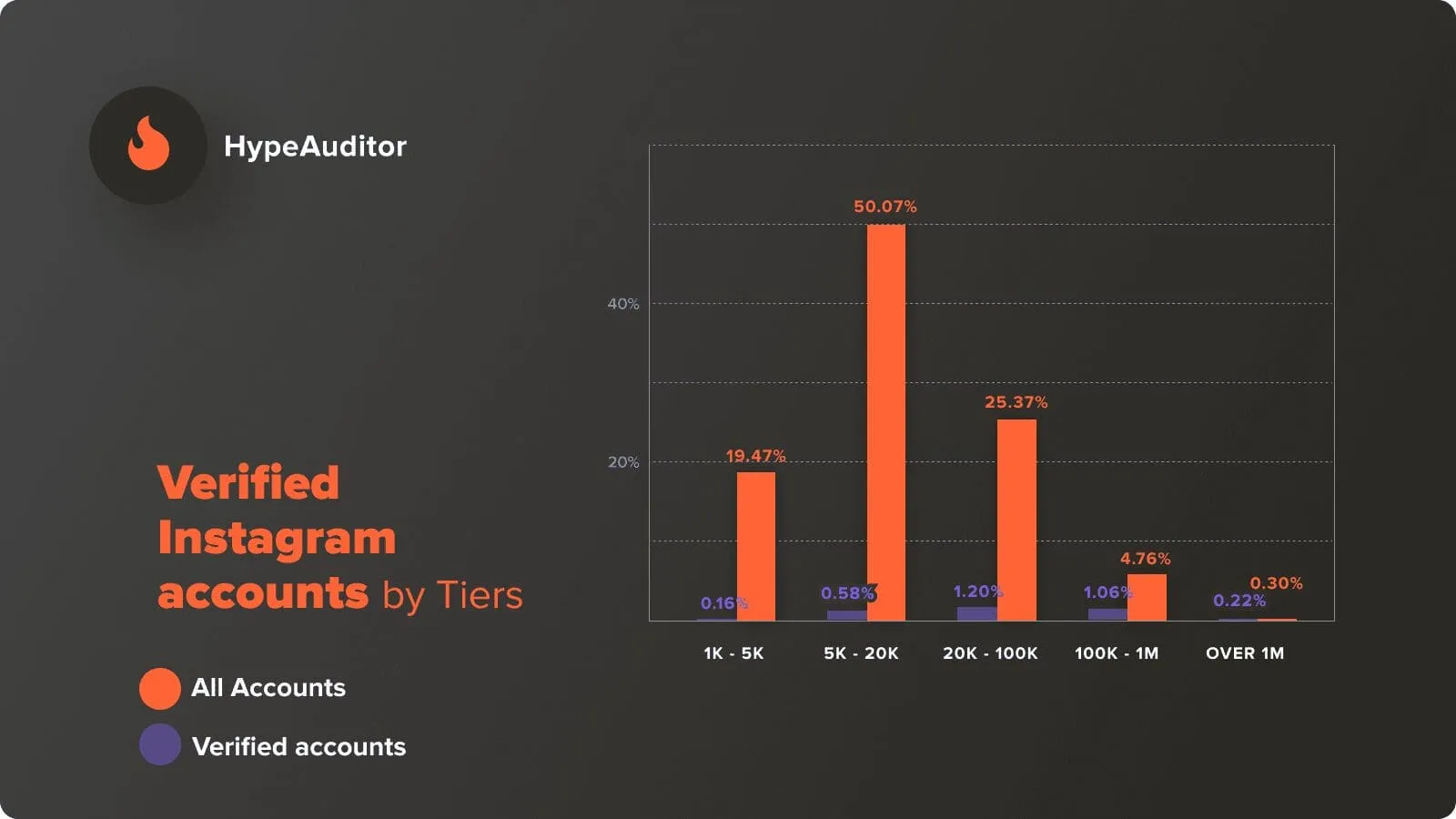
Verification authenticates your account and makes it harder for others to impersonate your brand. It can also lift visibility and trust. You can apply in-app via Settings – Account – Request verification.
One caveat: Meta expects a verified account to represent a well-known, highly searched-for person, brand or entity. That doesn’t mean a huge following. It means established presence and search demand. Not being verified won’t stop you advertising.
 Source: HypeAuditor
How long should an Instagram ad be?
It depends on the format. Story ads can run up to 60 seconds, and Reels ads up to 90, but length isn’t the goal. Most Reels ads land between 15 and 30 seconds, because attention is decided in the first few. Carousels let you add two to ten cards, each with its own image, link and copy.
The rule that matters: earn the watch in the opening seconds, then keep it. Duration is a ceiling, not a target.
How long should you run an Instagram ad?
Meta recommends running an ad for at least six days so the algorithm has time to find and refine the audience. Refresh creative roughly every two weeks to avoid fatigue. You have two options for duration:
- Run continuously until you switch it off manually.
- Set a fixed number of days.
A note on text overlay: Meta retired the old “20% text” rule years ago, but heavy text still tends to underperform clean, visual-led creative. Restraint remains good practice.
 Source: Hootsuite
How to advertise on Instagram
Instagram gives you two routes, and the right one depends on your goal and how much control you want.
#1 Boosting a single post
To trial paid, turn an existing post into an ad with the Boost post button. On mobile you’ll pick a goal, more profile visits, website visits or messages, then define an audience (start with the automatic option, which targets people similar to your followers) and set budget and duration. On desktop, the same controls live in Meta Ads Manager.
Boosting is fine for testing. It is not a strategy.
#2 Building an ad campaign
A full campaign demands more budget and more thinking, and it pays back more when it’s structured. In Meta Ads Manager, follow these steps:
Select your objective
Choose what the campaign is for. Automated Ads will adjust creative and targeting based on performance, useful when you’re still learning what works, but a structured objective gives you more control.
Build the creative
You’ll add visuals, copy and ad details. Test multiple assets so the algorithm can find the strongest performer. The main Instagram ad types:
- Photo ads: a single image guiding people to a landing page. The simplest format.
- Story ads: full-screen vertical images or video, made to feel native and immersive. Add stickers or product tags for interactivity and shopping.
- Reels ads: short-form video up to 90 seconds, built for engagement and currently the format Instagram pushes hardest.
- Carousel ads: several swipeable cards in one ad, each with its own image, caption, link and CTA. Ideal for showing a product range.
- Video ads: landscape or square video for feed placements.
- Collection ads: a cover video over a grid of products that opens into a shoppable catalogue.
Select your audience
Don’t be overwhelmed by the options. If you know who you’re targeting, this is straightforward:
- Advantage+ audience: an auto-generated group based on your followers and their interests. Best for starting out.
- Custom targeting: build an audience from scratch by age, location, interests and behaviour.
- Engagement retargeting: reach people who’ve interacted with a post or ad.
- Followers: target people who already follow you.
- Lookalikes: expand the pool to people similar to your followers.
Set your budget and launch
Set the run time and budget, review the estimated reach and clicks, then publish, to Instagram alone or across Facebook and Messenger if it fits your goals. Sharing everywhere isn’t always the right call; match placements to where your audience actually is.
 Source: Forbes
Set up Instagram Shopping
Instagram Shopping lets you build a full product catalogue inside the app, so people can browse and buy without leaving it. Product discovery is one of the most common reasons people open the platform, which makes a shoppable presence worth the setup. To qualify, you need:
- A business in a supported market.
- Compliance with Meta’s Commerce Policies.
- A business Instagram account.
- A business website.
If you meet the criteria, set up a Meta Commerce Manager account and either link a third-party ecommerce platform (Shopify, WooCommerce, Magento) or create a catalogue directly in Meta Business Suite under the Commerce tab.
How to create an Instagram advertising strategy
This is the part most brands skip, and it’s the part that decides whether the spend works. Before you put money behind anything, answer four questions. They turn ad-buying into a system instead of a series of one-off bets.
What do I want to achieve?
Leads, traffic, conversions, awareness? The objective shapes the format, the targeting and the call to action. A campaign with no defined outcome can’t be judged, only spent.
What do I communicate at each stage of the funnel?
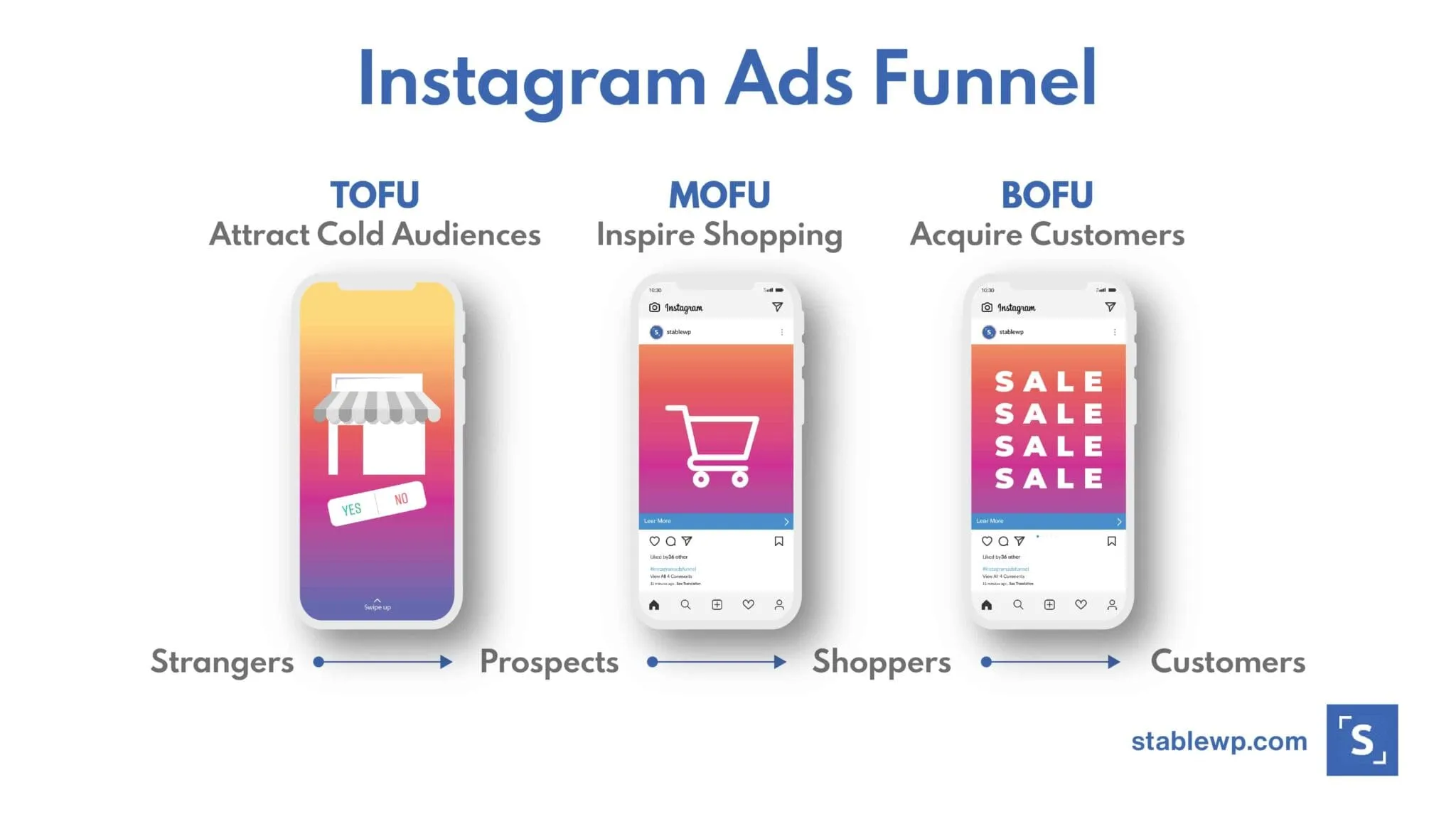
Map your message to intent. Awareness audiences need to learn who you are; consideration audiences need reasons to choose you; ready-to-buy audiences need a clear, frictionless path to purchase; existing customers need reasons to come back.
What does success look like?
Define it in numbers before you launch. If you convert 13 of every 100 leads, you know how many leads a sales target requires, and therefore how many impressions and how much budget. Working backwards from the outcome is what separates a strategy from a guess.
What’s the long-term goal?
A campaign serves a bigger objective: entering a new market, repositioning the brand, launching a new line. The long game should shape how you talk to your audience in the short one.
 Source: StableWP
Which ad types work at each funnel stage?
Audiences behave differently depending on how well they know you. The same creative can’t carry someone from stranger to customer, so match the format to the stage.
Awareness
Prospects are meeting you for the first time. Lead with education, not the hard sell. Speak to a problem they have and show how you solve it. Use the Awareness objective with almost any format; photo ads drive traffic, video and Reels build recognition and engagement.
Evaluation
Now they’re comparing options. This is where you sell your differentiation: speed, price, ethics, quality, whatever genuinely sets you apart. It’s also where retargeting earns its keep: re-engage the people who interacted with your awareness ads, with a sharper CTA.
Conversion
The audience knows you and is close to deciding. Reduce friction: Story ads and shoppable carousels with direct links to checkout or your Instagram Shop. Use the Meta Pixel to retarget based on on-site behaviour, and keep working past audiences who’ve shown intent.
Retention
The job isn’t done at the sale. Remarketing keeps customers and opens up upsell. Show them content and products adjacent to what they’ve already bought or engaged with. Retained customers compound; new ones cost more every time.

How does the loss of third-party cookies affect Instagram ads?
Cookies have long fuelled the targeting and measurement behind paid social. With third-party cookies now deprecated across major browsers, that signal has thinned. The shift pushes advertisers toward first-party data, on-platform signals like the Meta Pixel and Conversions API, and contextual advertising, where relevance comes from the surrounding content rather than a tracked individual. Build your strategy assuming less third-party data, not more.
How to make Instagram ads that perform
Build a narrative, fast
The first three to five seconds decide everything. Signal who you’re talking to, name the problem you solve, then keep articulating the solution and close on a clear call to action. No slow builds. Earn the watch immediately.
Test before you scale
Paid spend is real money, so de-risk it. Post your candidate creative organically first and watch how it performs. The assets that win organically are the ones that deserve paid budget.
Use your best organic creator content
This is the move most brands underuse. Creator content that already earns attention organically is, more often than not, your highest-performing paid creative. It’s native to the feed, it’s trusted, and it sidesteps the cost of producing bespoke ads from scratch. The brands that treat creator content as the engine of paid, not a side channel, consistently see stronger returns.
This is how we see the whole category. Influence isn’t a channel you bolt on at the end; it’s the asset paid should be built around. We engineer that connection deliberately, sourcing the creator content, then putting media weight behind what already works, so organic and paid reinforce each other instead of running in parallel.
Lean into video
Instagram rewards video, so make it central to the campaign. Film real movement and authentic messaging over stock footage, and front-load the hook. If you don’t grab attention in the opening seconds, the rest of the edit doesn’t matter. No budget for full production? A well-cut clip from existing creator content often outperforms a polished studio ad anyway, because relevance beats production value in creator content, and once craft clears a basic threshold the budget does more work on audience fit than on finish.
Study the competition
Every active ad on Facebook and Instagram is public in the Meta Ad Library. Browse by brand, category or location to see exactly what competitors are running, and where the gaps are.

Instagram advertising FAQs
How much does Instagram advertising cost?
It varies widely with audience, placement and objective. As a rough guide, cost-per-click typically runs from around $0.20 to $6.70, and cost per thousand impressions (CPM) from roughly $2.50 to $7.00. Broader reach and higher-intent objectives push budgets up; expect larger campaigns to run into the thousands to move the needle.
How do Instagram algorithm changes affect advertising strategy?
The algorithm favours content that holds attention. Higher engagement earns more distribution. Recent direction rewards video (especially Reels) and interactive Stories formats. Practically, that means investing in genuinely engaging creative and adopting the formats Instagram is actively promoting, rather than reusing static assets that no longer fit the feed.
Should I boost a post or build a campaign?
Boost to test an idea or extend the reach of a post that’s already performing. Build a campaign when you have a defined objective, a budget worth structuring, and a funnel to move people through. Boosting is a tactic; a campaign is a strategy.
Is paid or organic creator content better for Instagram ads?
They work best together. Organic creator content tells you what resonates; paid scales it. The strongest Instagram advertising strategies use organic performance as the testing ground and put media spend behind the winners.
A strategy turns ad spend into growth
Instagram gives you the formats, the audiences and the reach. What it doesn’t give you is the system, the part that decides which creative to back, which audience to chase, and how paid and creator content compound into performance instead of cancelling out.
That’s the work we do. Vamp is a tech-enabled influencer marketing agency: we design creator-led growth systems and run the paid engine behind them, so attention on Instagram becomes measurable growth, not just spend. Talk to us.