Influencer marketing for beauty brands: the complete guide
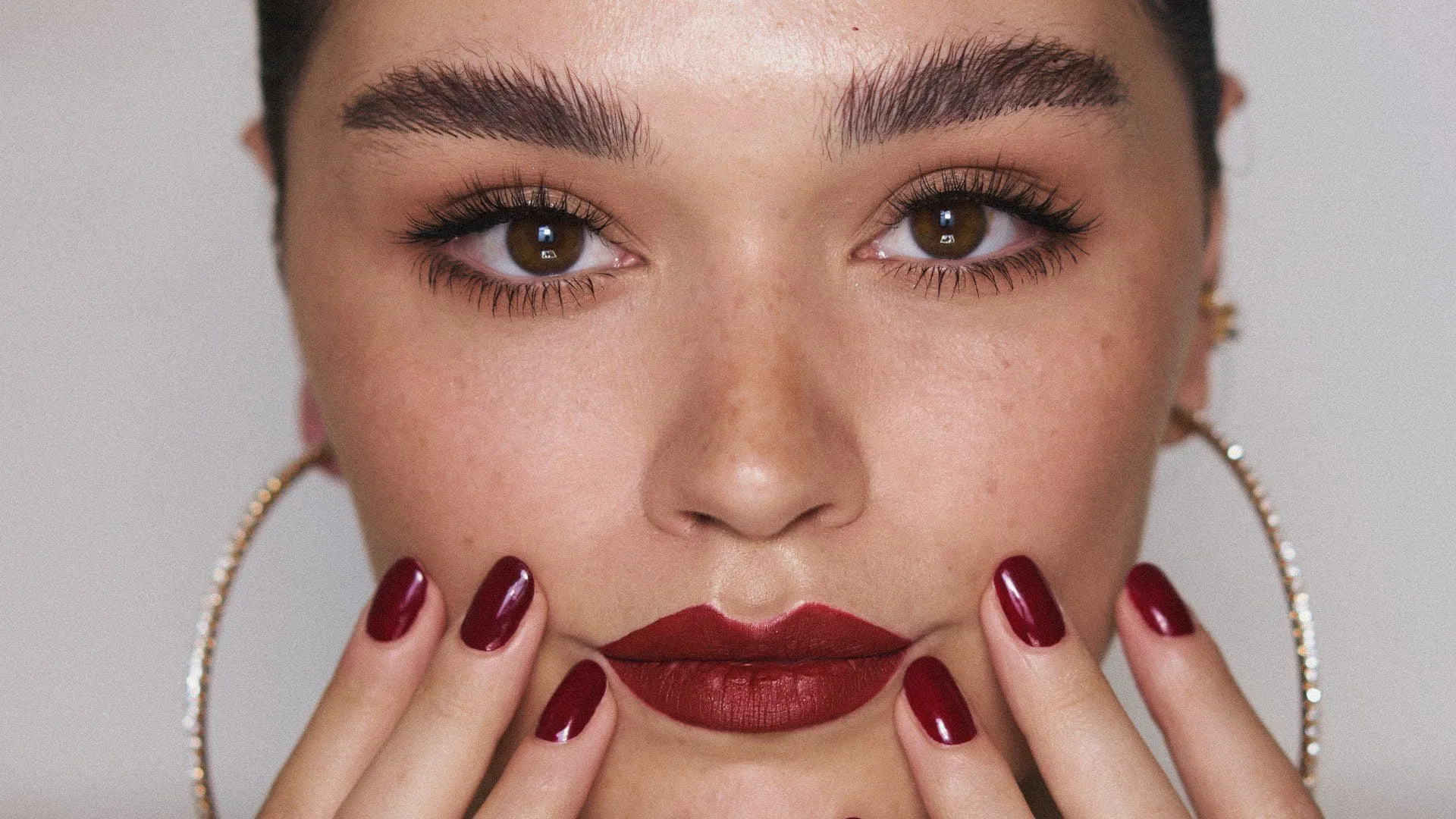
Influencer marketing for beauty brands is the practice of partnering with credible creators to demonstrate products in use, and building those partnerships into a system that drives discovery, trust and sales.
No category demonstrates this better than beauty. Make-up, skincare and haircare are bought on trust and shown best in motion: on real skin, in real routines, by people audiences already follow. That’s why beauty has adopted creator-led marketing harder than almost any other sector, and why doing it well is now a question of structure, not luck.
The numbers back the shift. A Harvard Business School survey of 520 beauty shoppers found nearly 67% seek information from social media influencers before buying a beauty product, ranking them ahead of third-party reviews and beauty professionals. The talent pool is deep, too: Upfluence catalogued well over a thousand beauty creators on Instagram alone, with thriving communities on YouTube and TikTok.
Key takeaways:
- Beauty sells on trust and demonstration, the two things creators are built to deliver.
- A beauty influencer’s recommendation reads as a peer endorsement, not an advert.
- Microinfluencers often out-convert big names through higher engagement and niche credibility.
- The brands that win treat creators as an always-on system, not a string of one-off posts.
What is a beauty influencer?
A beauty influencer is a credible, skilled creator who specialises in beauty and skincare, and has built a dedicated following on the strength of their content and point of view.
They share how-to tutorials, honest reviews and tips across make-up, skincare, haircare and more. Because their audiences trust their judgement, their recommendations carry real weight over purchasing decisions, which makes them powerful partners for beauty brands seeking new customers.
What is the difference between a beauty influencer and a content creator?
Most beauty influencers are also content creators. They produce the engaging, educational content that promotes the brands they work with. But the two aren’t identical.
Some influencers are valued mainly because they’re celebrities or household names; here, the draw is the audience and the association, not necessarily the craft. A celebrity may create their own content, but rarely with the inventiveness of a lesser-known creator who lives and dies by their work. The smaller creator has every incentive to find ingenious ways to showcase a product. Their career and their future brand relationships depend on it.
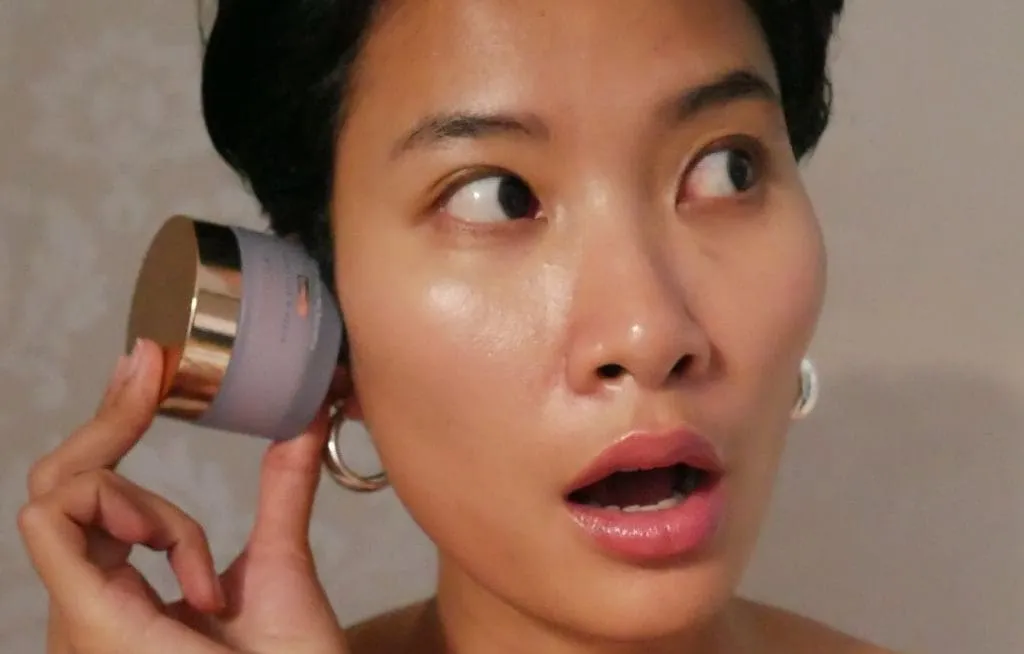
That’s also why creator content tends to outperform polished advertising. Footage that looks less like a paid spot and more like a real person filming in their own bathroom reads as authentic, and authenticity is what beauty audiences respond to.
How can beauty brands leverage creators effectively?
Beauty brands can put a creator’s proven style and credibility to work, showcasing products in a way that feels genuine and informative. These collaborations take many forms, make-up tutorials, product reviews, skincare routines, and they land precisely because they don’t look like ads. Audiences trust the creators they follow, so a recommendation reads as real rather than bought.
Some beauty brands are built on a single creator. Trinny London is the clearest example: the brand leans on founder Trinny Woodall’s own social presence, where she regularly shows audiences her ‘before’ and ‘after’ face to demonstrate her products. In an interview with The New Statesman, Woodall said she never does a retake. What you see is what you get, and that unvarnished honesty is part of why the brand resonates.
How we see it: a single founder-creator is a brilliant proof of concept, but it isn’t a system. The brands that scale beauty influence don’t rely on one face. They build a connected roster of creators, content and distribution that keeps working long after any single post.
Why is influencer marketing so effective for beauty brands?
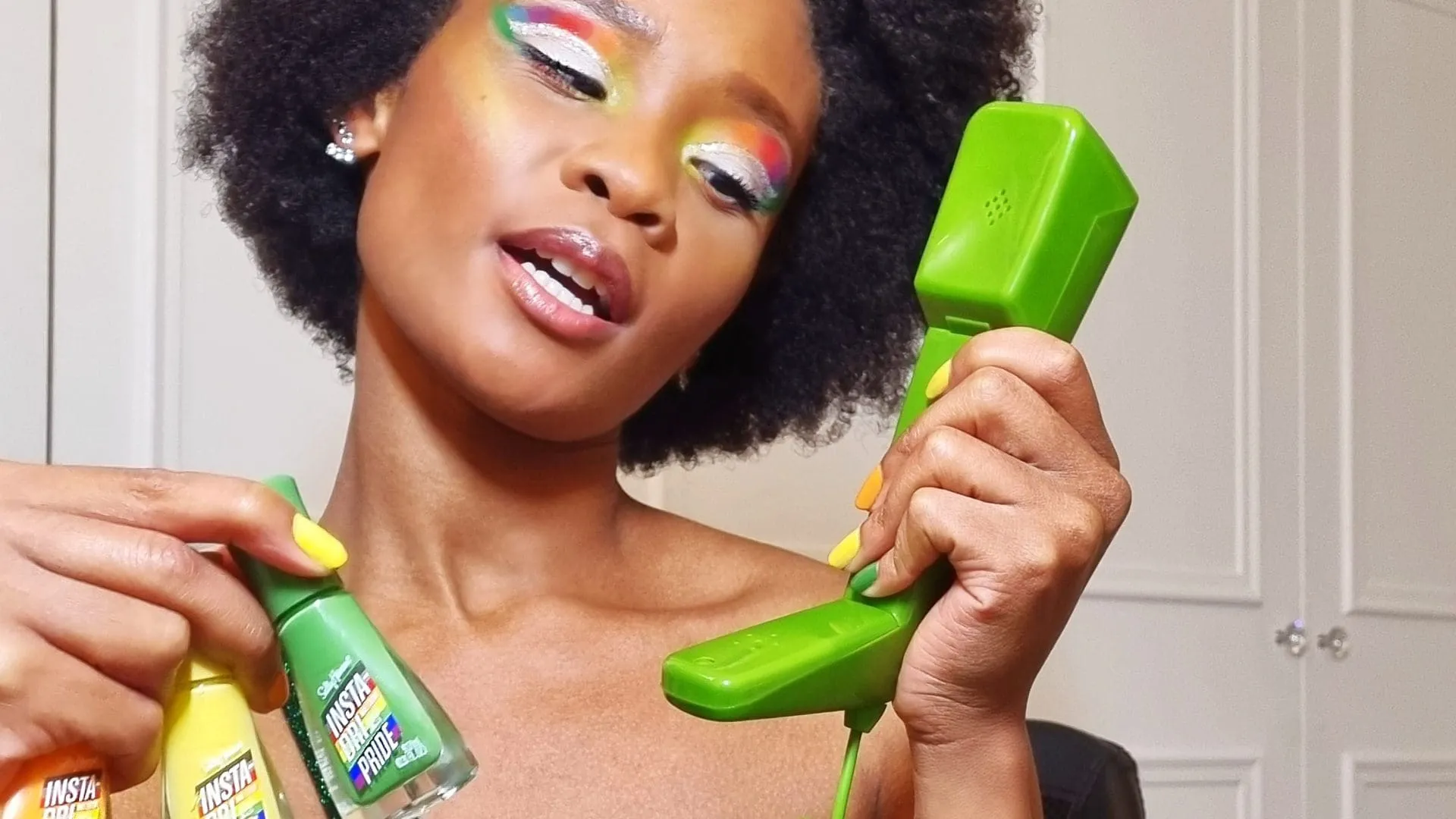
Influencer marketing has become a cornerstone for beauty because it lets consumers see products in action, used by real people, something traditional advertising rarely managed. And because the creator pool is so diverse, brands can show their products on every skin tone, hair type and texture, so different audiences can picture how a product might look and feel on them.
Beauty creators also arrive with groundwork already done. They’ve built lasting relationships with followers who trust their judgement and come to them for relatable, genuine content. Those communities are interactive, followers ask questions, seek advice and engage directly, which gives brands a live channel to reach potential customers and answer their queries in real time.
Finally, beauty creators are highly skilled content producers, which lets brands plug straight into trend-led, platform-native content without building that capability in-house.
How does influencer marketing help beauty brands grow?
Beauty creators can help brands in four concrete ways:
- Enhance credibility: when a creator recommends a product, their credibility transfers to the brand. Followers read these endorsements as peer recommendations, not sales videos.
- Expand relevance: an established follower base extends a brand’s visibility into communities it couldn’t reach with paid media alone, and into audiences who actually care.
- Showcase products authentically: tutorials and demonstrations show real-world use, making products more appealing and easier to understand than a static ad ever could.
- Tell the brand’s story: creators can convey a brand’s values and the journey behind its products in a relatable way, building a deeper emotional connection than a campaign tagline.
How do you find the right beauty influencer?
Finding the right creator is the step that makes or breaks the work. Weigh three things before committing to a collaborator:
- Audience alignment: make sure the creator’s followers match your target audience by demographics, interests and buying behaviour. Interests are usually the sharpest of the three, which is why interest-led creator selection outperforms demographics when you are choosing between two creators with similar numbers. Reach without relevance is just noise.
- Engagement rate: look for a strong, genuine engagement rate; it signals an active, invested audience. Watch likes, comments and shares on branded posts, not just follower counts.
- Content quality: assess the craft and aesthetic of their content to be sure it fits your brand image and standards.
Vetting one creator is straightforward. Vetting and matching dozens, consistently, against the right audience and performance data is where most beauty teams hit a ceiling, and where a partner who does this at scale earns their place.
Why do beauty microinfluencers punch above their weight?
Bigger isn’t always better in beauty. Microinfluencers, creators with fewer than 50,000 followers, are often the most effective partners a beauty brand can find. They offer:
- Higher engagement: smaller audiences tend to be more engaged, producing more authentic interactions per follower than a mega-creator delivers.
- Niche expertise: many specialise in a specific beauty niche, letting brands reach highly targeted communities with precision.
- Efficiency: collaborating with microinfluencers is more cost-effective than partnering with larger creators who can command thousands of pounds per post.
The lesson isn’t “go small”. It’s that audience-creator fit beats raw follower count, and a portfolio that blends micro, mid-tier and marquee creators usually outperforms any single bet.
What do successful beauty influencer campaigns look like?
Two examples from Vamp’s own work show the range.
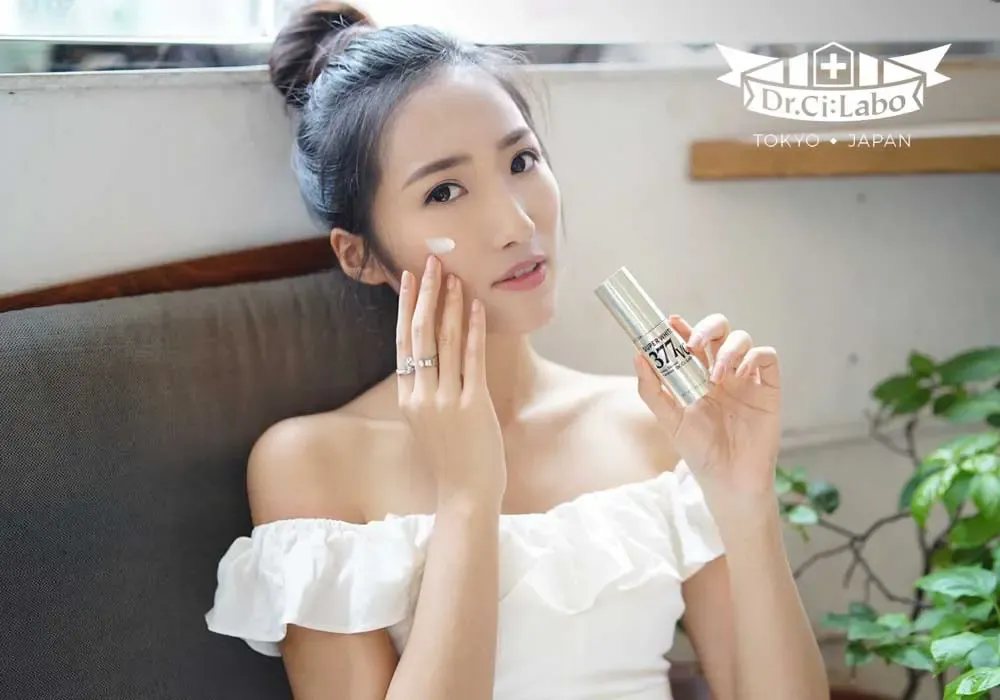
Dr.Ci:Labo wanted to drive sample claims for its Super White 377VC. We partnered with 31 creators who shared their genuine experience of the product on Instagram, paired with a supporting paid media push. The result: 20,707 link clicks.
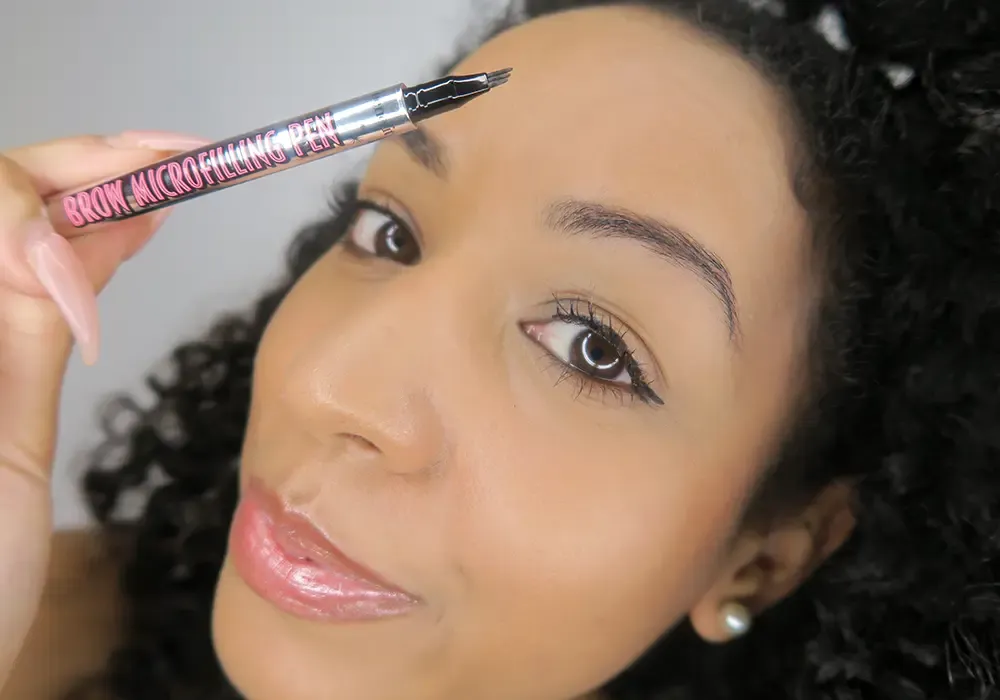
Benefit set out to build awareness for its Brow Microfilling Pen. We worked with 64 beauty creators across TikTok and Instagram, each encouraging their audience to trial the product. The campaign generated 1.4m impressions.
The common thread isn’t the creator count or the channel mix. It’s that each programme connected the right creators to the right audiences with a clear commercial outcome attached, and measured against it.
Eight strategies for beauty influencer marketing
Use these eight moves to get more from your beauty creator partnerships:
- Build seamless social commerce journeys: uploading your catalogue to Facebook Shop and TikTok Shop lets audiences buy directly from the content that inspired them, closing the gap between discovery and purchase.
- Lead with genuine sustainability and transparency: conscious consumers reward brands that mean it. Partner with creators who specialise in sustainable products and put real spend behind that content.
- Use new technology: augmented reality (AR) try-on lets audiences test products virtually before they buy, reducing hesitation at the point of decision.
- Reach Gen Z where they are: show up on TikTok and Instagram with messaging built for a younger audience, not retrofitted for it.
- Boost what’s already working: put paid spend behind your strongest organic creator content. Native influencer content typically converts better than traditional ads because it doesn’t feel like one.
- Go always-on, not one-off: keep your brand in the conversation with a steady stream of creator content across the year, rather than a burst at launch and silence after.
- Prioritise short-form video: lean into TikTok, Instagram Reels and YouTube Shorts, working with creators to produce video that educates and entertains.
- Diversify your creator roster: partner with creators who reflect the full range of your audience. Representation isn’t a box to tick; it’s how more people see themselves in your brand.
For the bigger picture, see our complete guide to influencer marketing strategy.
How do you devise a beauty influencer marketing strategy?
Strategy starts with the audience, not the creators. Once you know exactly who you’re trying to reach, the right content, approach and channels follow. Work through:
- Do your buyers favour established beauty concepts, or are they drawn to innovation and trends?
- Does sustainability factor into how they choose beauty products?
- How knowledgeable are they about ingredients and formulations?
- What kind of content do they actually engage with, and on which platforms?
- What format do they prefer: tutorial, review, routine, unboxing?
Answer those honestly and the creator brief almost writes itself. Skip them and you’re guessing, which is how budget gets spent on reach that never converts.
FAQs
Do microinfluencers really outperform celebrities for beauty brands?
Often, yes, on the metrics that matter. Microinfluencers (under 50,000 followers) tend to have higher engagement and deeper niche credibility, so their recommendations convert. Celebrities buy reach and association; the smartest beauty strategies blend both, weighted by the outcome you’re after.
How much should a beauty brand spend on influencer marketing?
There’s no single figure. It depends on your goals, the creator tiers you work with and whether you’re running a one-off launch or an always-on programme. Budget against the outcome you want, not a per-post rate card, and measure performance so every pound earns its place.
How do you measure success in beauty influencer marketing?
Look past impressions. Track engagement quality, link clicks, sample claims, social-commerce conversions and sales lift, the signals that show influence is driving growth, not just visibility. Set the metric before the campaign, then judge the work against it.
Beauty influence works best when it’s built, not bolted on
Knowing how to brief a tutorial or pick a microinfluencer is table stakes. The harder, more valuable work is connecting the right creators, content and distribution into a system that keeps performing, so beauty influence compounds into relevance and sales instead of fading after launch week.
That’s the work we do. Vamp is a tech-enabled influencer marketing agency: we design creator-led growth systems for beauty brands and run the performance engine behind them, so attention turns into measurable growth. Talk to us.