Influencer marketing for alcohol brands: the complete guide
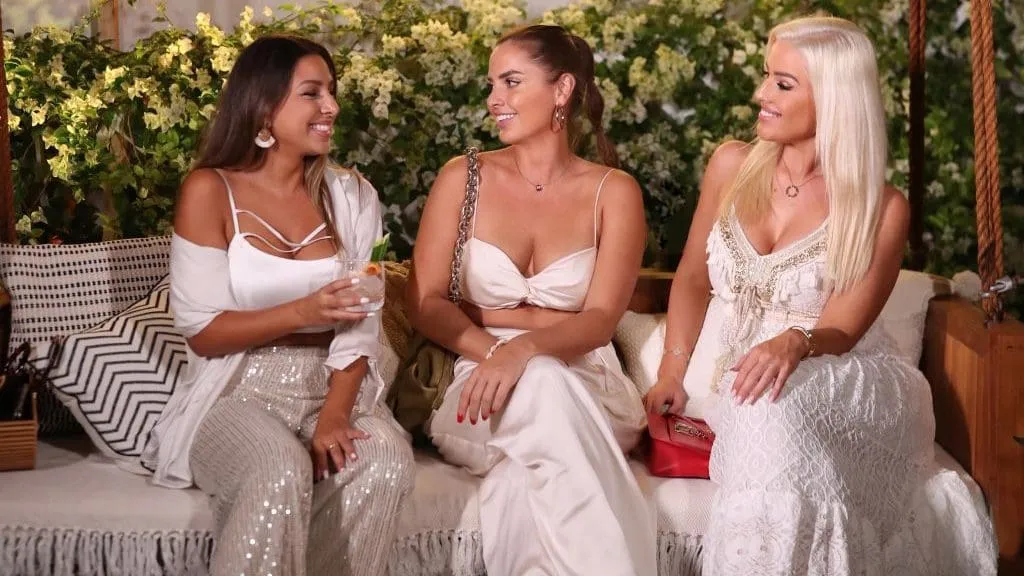
Influencer marketing for alcohol brands means working with vetted creators to show drinks in real-world moments, legally, credibly, and at scale.
It works because drinks are social by nature, and creators sit inside the exact occasions where people decide what to pour. Done well, it earns trust the way a recommendation from a friend does. Done badly, it breaks advertising rules and damages the brand.
The hard part isn’t finding someone to hold your bottle. It’s building a creator programme that respects strict marketing regulation, reaches genuine adult drinkers, and turns attention into measurable growth. This guide covers how it works, the rules you can’t ignore, how to choose creators, the best channels, and how to measure it.
The short version:
- Alcohol creators put your product into real drinking occasions, mixing, tasting, talking provenance, in a way TV can’t.
- Regulation is the gating constraint: adult-only audiences, no irresponsible-drinking cues, ASA rules apply at 0.5% ABV and above.
- Choose creators by audience age and category fluency, not follower count.
- Instagram and YouTube lead; TikTok allows alcohol content in some markets but not others, so treat it market by market.
- Measure participation and conversion, not just reach.
What is influencer marketing for alcohol brands?
Influencer marketing is collaborating with creators who have engaged, trusting audiences, so your product is recommended by someone those audiences already listen to. For alcohol brands, that usually means wine, beer, spirits and RTD specialists, people whose followers come to them for exactly this.
The appetite is real. A Vamp survey found 88% of consumers aged 18–34 bought a product an influencer recommended within a six-month period. For a category built on occasions, taste and discovery, that recommendation engine is hard to replicate anywhere else.
How we see it: the brands that win here don’t treat creators as a series of one-off posts. They build a system, the right creators, the right occasions, repeated over time, so credibility compounds instead of resetting with every campaign.
For the foundations, see our guide to influencer marketing strategy and our explainer on user-generated content.

What challenges do alcohol marketers face, and how does influencer marketing help?
Before social, alcohol brands leaned on big-budget broadcast, the era of slogans like “I bet he drinks Carling Black Label”. Those campaigns worked because attention was concentrated. It no longer is.
People spend far more leisure time on handheld screens than on TV, print or cinema. If your brand isn’t visible where attention actually lives, it isn’t seen. The market is also more crowded, with smaller brands cutting through on social precisely because they can’t outspend the incumbents on broadcast.
Creators close that gap. They show the product in action, in real settings, mixing a serve, talking flavour, provenance and the details that separate one bottle from the next. They can also ride structural shifts in the category: at-home drinking and the rise of RTDs (premixed cans like gin & tonic), a segment that kept growing while traditional formats wobbled.
What are the rules for marketing alcohol on social media?
Regulation is the constraint that shapes everything else. Alcohol must be marketed responsibly and to adults only, which is hard on platforms where 13% of 11–19-year-olds report engaging with alcohol marketing.
In the UK, the Advertising Standards Authority rules apply to any drink at 0.5% ABV and above, and brands are forbidden from encouraging irresponsible or anti-social drinking. Promotions must not link alcohol to:
- Sexual success
- Loneliness
- Increased confidence or popularity
- Anti-social behaviour
This is exactly why creator selection can’t be casual. Every creator you work with needs to understand the restrictions, target an adult audience, and present your brand within the rules. Vetting and audience data aren’t nice-to-haves here. They’re how you stay compliant. It’s a core part of what we do at Vamp: we vet creators and read the audience data so the programme performs without putting the brand at risk.

What are the benefits of influencer marketing for alcohol brands?
Worked into a coherent programme, creator partnerships give alcohol brands advantages broadcast can’t match:
- Precise audience targeting: creators come with niche, self-selected audiences, so you speak directly to the people most likely to care.
- Creative you wouldn’t have made: creators build their following on inventive content. Partner with them and you inherit that instinct; they’ll find serves and angles your team hadn’t considered.
- Communicating brand values: sustainability, provenance, craft, the story behind the bottle lands better shown than stated.
- Reaching genuine niches: many brands use micro-influencers to reach defined communities; a low-calorie or sugar-free line, for instance, fits naturally into wellness and lifestyle audiences.
- Efficient spend: a well-built creator programme can deliver real impact for a fraction of a broadcast budget.
- Reviews and demonstrations: younger adults want authenticity, and honest reviews provide it. A Vamp survey found reviews and product demonstrations were the most persuasive formats, swaying 41% and 37% of people respectively.
- Borrowed expertise: many drinks creators are mixologists or genuine wine and spirits specialists, so their recommendations carry real authority.
Does alcohol influencer marketing work?
Yes, and the category’s behaviour explains why. With around 71% of UK adults drinking alcohol most weeks, social feeds are already full of drinking occasions. Creators don’t have to manufacture the context; they live in it. Here are three campaigns that landed.
Gordon’s Premium Pink Gin & Soda
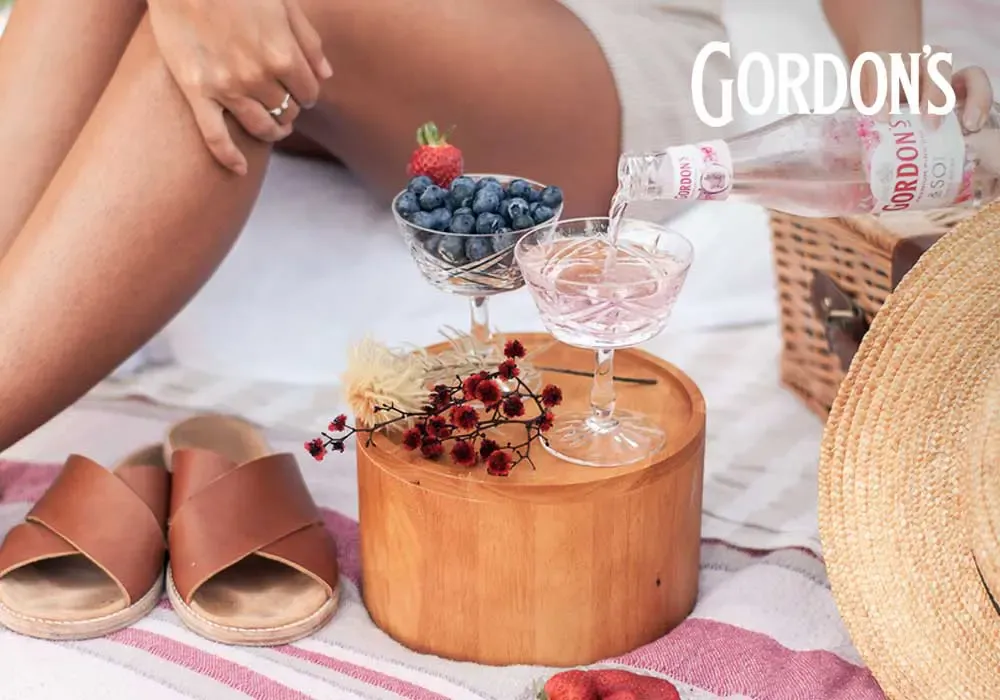
Gordon’s worked with 17 Vamp creators and earned 60,000 likes across 34 pieces of content, a coordinated programme rather than a single hero post.
Social Lite Vodka
To market a healthier take on the RTD, Social Lite Vodka targeted health-conscious drinkers by partnering with micro-influencers who already embodied the habits the brand wanted to align with, relevance over reach, by design.
View this post on Instagram
Grand Marnier
Positioning the brand around elegance and luxury, Grand Marnier collaborated with fashion and lifestyle creators under the hashtag #welivegrand. Many posted repeatedly, keeping the brand consistently present in their audiences’ feeds, the kind of repetition that builds recognition rather than a single spike.
View this post on Instagram
Want to understand what audiences are already saying about your brand? Start with our guide to social media listening.
How do you find and work with alcohol-relevant creators?
The right creator for an alcohol brand isn’t the one with the biggest audience. It’s the one whose audience is the right age, the right fit, and genuinely engaged. Use audience data, not just follower counts. When you assess a potential partner, check that:
- Their audience skews 25+. Creators should be over 25 and unlikely to appeal to under-18s; the bulk of their followers should be of legal drinking age.
- They understand the category and the rules. Look for fluency in alcohol content and a clear grasp of the regulations and best practice.
- They’re real storytellers. They need enthusiasm for the product and the craft to tell its story in their own voice.
- They give you range. Build a mix. Some creators show how a drink is made, others build cocktails, others speak to ingredient quality, so the programme covers more of the occasion.
This is the work we take off brands’ plates. We design the creator roster, match it to your audience and occasions, and run the systems behind it, so what you get is a programme that performs, not a pile of one-off posts to manage.
Which channels work best for alcohol influencer marketing?
According to Upfluence, Instagram is the leading channel for alcohol marketing, with YouTube second. TikTok needs more care. Under TikTok’s Branded Content Policy, alcohol is a restricted industry rather than a banned one: creator posts for alcohol brands are allowed in markets including Australia and the United States, but only where the brand has explicit permission from TikTok, the content is age-restricted, and delivery is capped to the market it was posted in. In the UK, Ireland and New Zealand it is not allowed at all. Treat TikTok as a market-by-market decision, not a default.
Channel choice should follow the audience and the format. Instagram suits the visual, occasion-led content that drinks brands trade on; YouTube earns longer attention for reviews, provenance and serve tutorials.
How do you build an alcohol influencer marketing strategy?
Start with the objective, because it dictates everything downstream. Are you launching into new audiences, lifting sales, or building equity around your sustainability credentials? The goal determines the creators, the channels and the content.
From there:
- Match creators to brand identity. Every partner should fit your positioning, and, non-negotiably, not appeal to an under-25 audience.
- Set the budget against the model. Macro-influencers and celebrities cost more; many brands get stronger returns from micro- and nano-influencers, whose smaller audiences are often far more engaged.
- Brief for relevance, not just reach. The content should present your brand in a way that feels relatable and memorable. Genuine, positive emotion is what moves someone from watching to buying.
The brands that compound here treat this as an always-on system, not a seasonal burst, a roster that deepens over time, so trust and recognition build with every cycle.
How do you measure alcohol influencer marketing?
What you measure follows your goal. The metrics worth tracking usually fall into three layers:
- Views and engagement: reach, views, likes, shares and comments tell you whether the content earned attention and participation. Treat comments and shares as the stronger signal: they show audiences investing something of their own.
- Brand mentions: how often, and in what sentiment, people talk about your brand. Split positive from negative and respond to the latter.
- Conversions: the bottom line. Is the content driving site visits and sales? Use affiliate links, promo codes and dedicated landing pages, and commit to designing creator marketing attribution before launch, tracking before, during and after, so you can attribute results rather than guess.
Reach is the easy number to report. Participation and conversion are the ones that predict growth. Measure those and you’re measuring influence, not just exposure.
FAQs
Is influencer marketing legal for alcohol brands?
Yes, within strict rules. In the UK the ASA code applies to any drink at 0.5% ABV and above: marketing must target adults, avoid irresponsible-drinking cues, and not link alcohol to confidence, popularity, sexual success or anti-social behaviour. Compliance starts with choosing creators whose audiences are predominantly of legal drinking age.
What age should an alcohol brand’s influencers be?
Work with creators over 25 whose audiences also skew 25-plus. Audience-age data, not follower count, is the deciding factor, both for compliance and for reaching real prospective customers.
Can you promote alcohol on TikTok?
In some markets, yes. TikTok treats alcohol as a restricted industry, not a banned one: branded content is permitted in markets such as Australia and the United States where the brand has explicit permission from TikTok and the content is age-restricted and limited to the market it was posted in. It is not allowed in the UK, Ireland or New Zealand. Instagram and YouTube remain the broadest compliant channels.
How do you measure ROI on alcohol influencer marketing?
Tie metrics to the objective. Track engagement and brand mentions for awareness, and use affiliate links, promo codes and landing pages to attribute conversions and sales. Measure before, during and after so you can prove what the programme actually moved.
Compliance is table stakes. Compounding influence is the harder problem.
Knowing the rules, the right creators and the best channels gets you to the starting line. Turning that into sustained relevance, a creator programme that respects the regulation, reaches genuine adult drinkers, and gets more effective every cycle, is the harder, more valuable problem.
That’s the work we do. Vamp is a tech-enabled influencer marketing agency: we design creator-led growth systems for alcohol brands and run the systems behind them, so influence becomes measurable growth rather than a compliance headache. Talk to us.