How to upgrade your Instagram feed with aesthetic filler photos
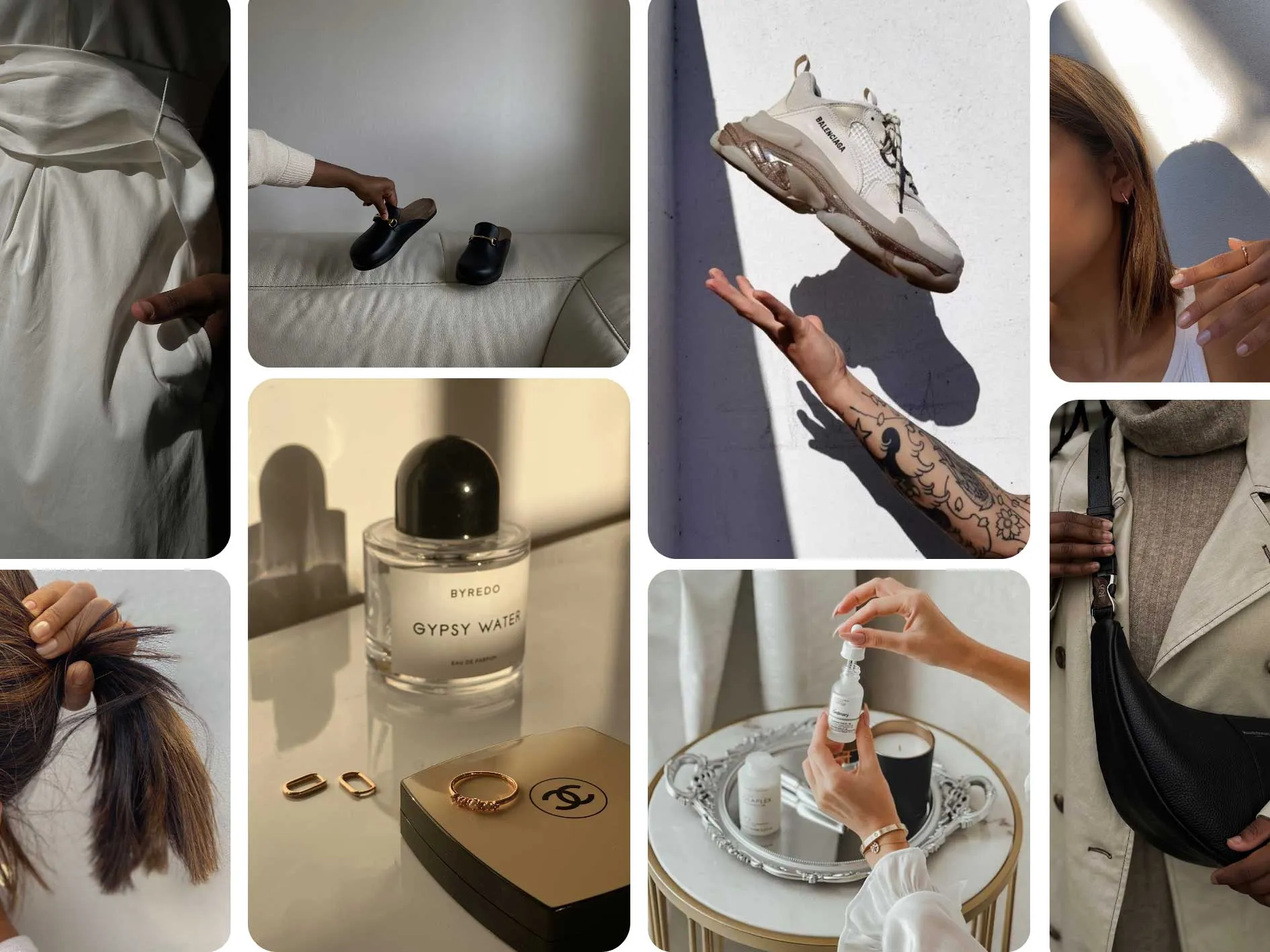
Filler photos are the simplest way to make your Instagram feed look cohesive, calm and intentional, and they take far less effort than another full shoot.
A filler photo is a quieter image, a coffee table flatlay, fresh flowers, a close-up of an outfit detail, placed between your main posts to give the feed breathing room. Used well, filler photos break up a wall of selfies, add visual rhythm, and let the bigger moments land. This guide explains what they are, why creators rely on them, and seven practical tips to shoot your own.
Key takeaways:
- Filler photos are simple, aesthetic images that connect your main posts and make a feed feel more cohesive.
- They look casual, but the best creators place them with intention. Every one earns its spot.
- They stretch one shoot into more content, hero the small details, and give your audience visual breathing room.
- A loose strategy (alternating filler and feature posts) beats a rigid one. It keeps the feed effortless, not overthought.
What is a filler photo on Instagram?
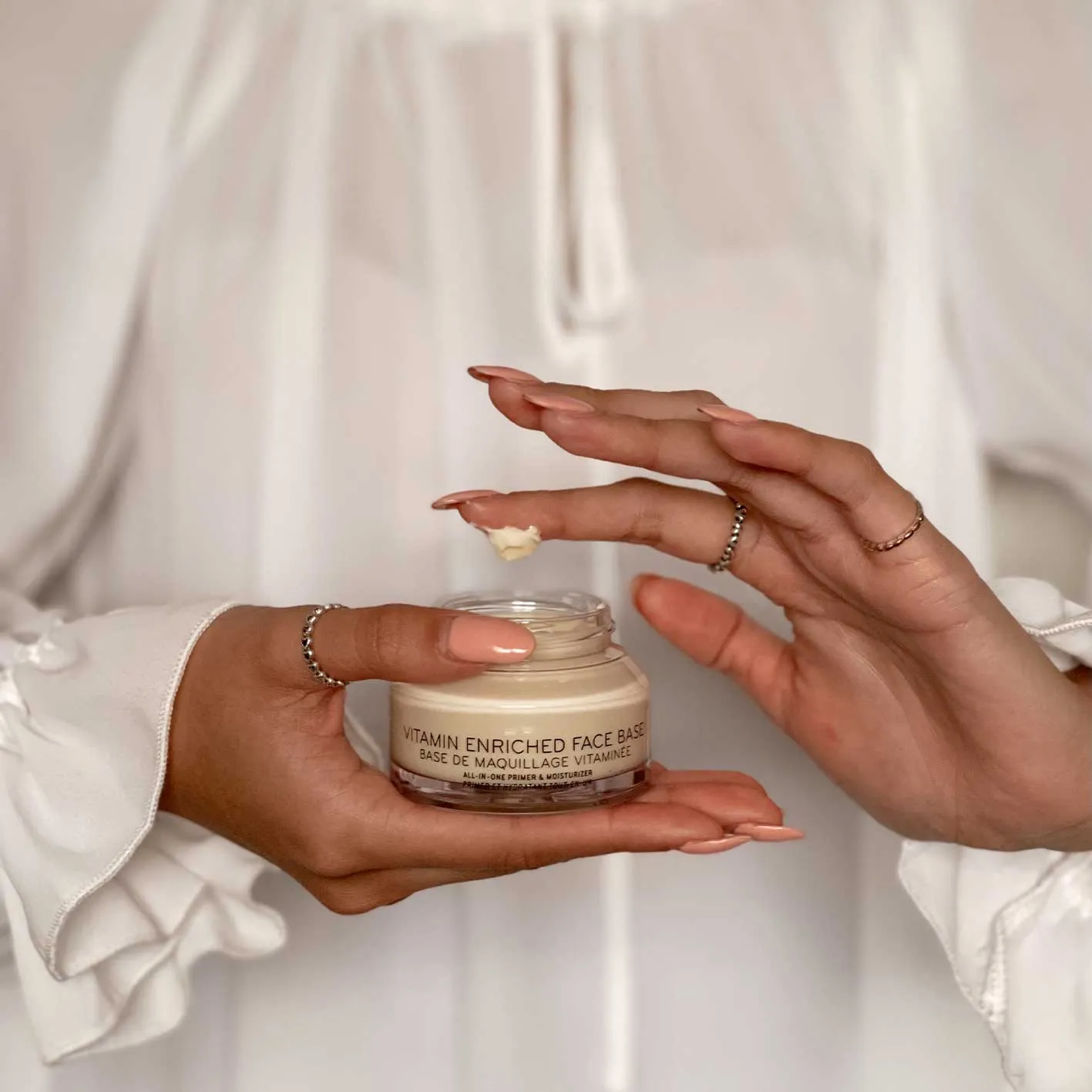
A filler photo is an organic, aesthetic image that ties your feed together, anything that isn’t a full-body or full-outfit shot. Think a single object, a flatlay, a texture, a detail.
The look grew out of the “casual Instagram” trend, where people started posting because they liked an image, not because it would perform. Creators turned that instinct into a craft. We asked two Vamp creators how they think about it.
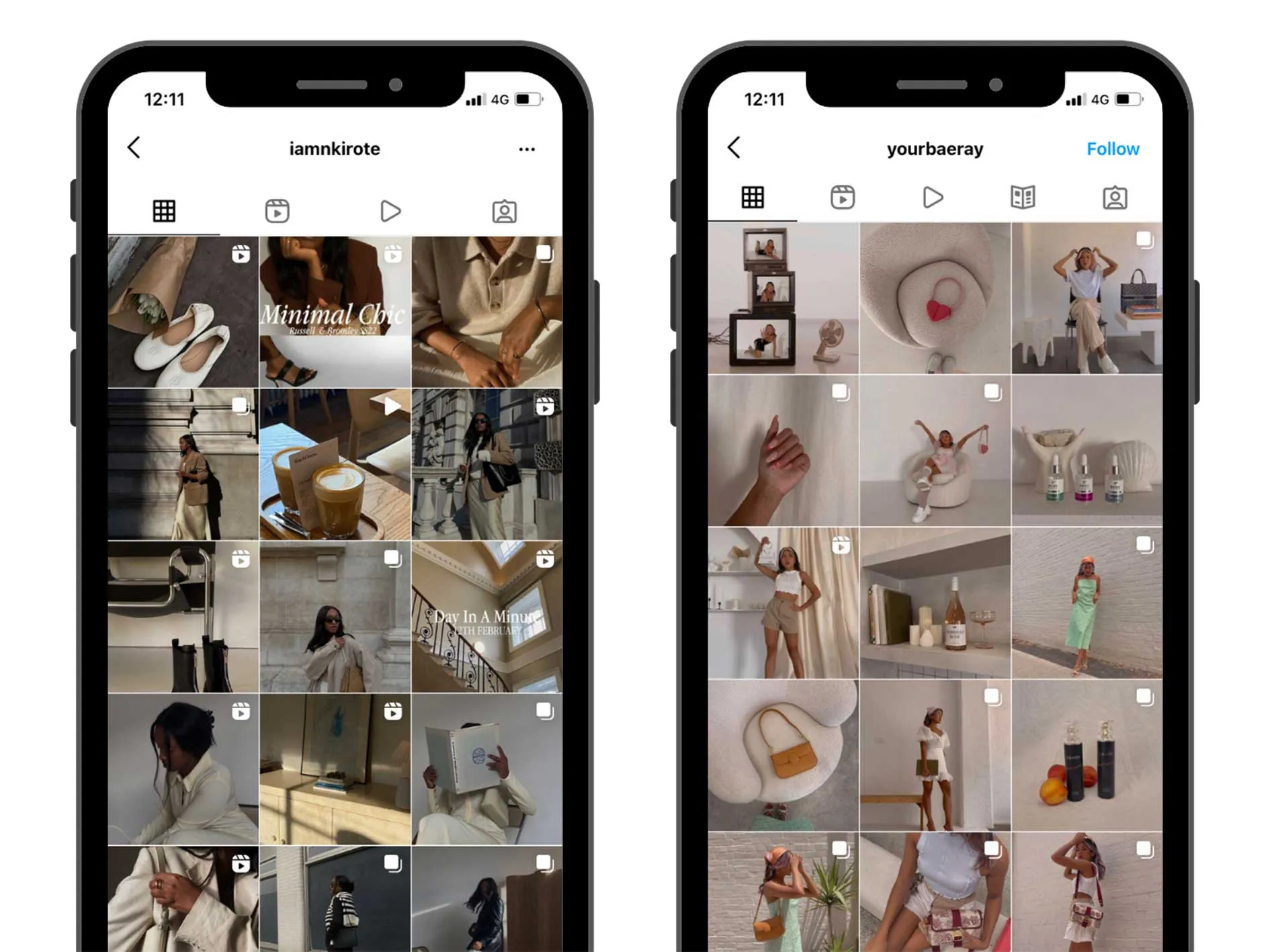
@iamnkirote defines a filler photo as “organic and aesthetic imagery that ties your feed together and makes it more cohesive.” @yourbaeray calls them “photos that aren’t full body or full outfit shots. They could be a shot of a single item such as fresh flowers, a coffee table flatlay or a closeup of my outfit details.”
The consensus: filler photos break up a feed so it looks less cluttered with the same self-portraits. Here’s the part most people miss. They read as casual, but they aren’t accidental. Every filler photo is placed with intention. Each one earns its spot and serves the overall look of the feed. That’s the difference between a feed that feels effortless and one that just feels random.
Why do creators post filler photos?
Cohesion is the obvious reason, but it isn’t the only one.
Filler photos add dimension and reduce the overstimulation of scrolling a profile that’s all one note. They create a calmer flow, which gives followers room to absorb the story you’re telling.
“I like to break up my feed so it has some negative space. This is why most of the time my filler photos will feature a lot of white, empty space,” explains @yourbaeray. “I also find that filler photos are great when I don’t have other content ready to share, but still want to post something to keep the algorithm happy. Plus, they make great cover photos for your Reels.”
They’re also an efficiency tool. A filler photo lets you hero the smaller details of a location, a makeup look, a meal or an outfit, so you shoot more usable content from a single set-up. That saves time, keeps your posting consistent, and pushes you to find a beautiful image in a spot you’d usually overlook.
Finally, they capture the parts of a creative idea that don’t fit your main content, the tiny details that complete the story. If you pour time and energy into a shoot, filler photos are how you get the most out of it.

Do you need a strategy for posting filler photos?
How strict you are is up to you, and the looser approach usually wins.
Some creators alternate one filler photo with one feature post, so you never get two full-body shots side by side. That builds a visible pattern down the feed that’s satisfying to scroll. Others stay relaxed and post filler photos whenever they fit.
“Sometimes I’ll post them more sporadically if I’m in a bit of a creative rut with my usual fashion content,” explains @iamnkirote. “But usually I’ll have a few images set aside as a buffer between content that is similar in format. For example, I’ll post a filler photo between two Reels or between sponsored posts to give my audience a break.”
@yourbaeray agrees that flexibility is the point. “I have a very loose strategy for my filler photos. I do the typical ‘alternating between one full body photo and a filler photo’, but don’t always follow it so closely. This is because I don’t want to restrict myself too much and end up overthinking it. I want my feed to look effortlessly curated, and a loose strategy helps me achieve that.”
The takeaway: intention, not rigidity. A feed that looks effortless is usually one that was planned just enough.

Seven tips to shoot your own aesthetic filler photos
New to casual Instagram or refreshing a feed you’ve run for years, these seven tips will get you shooting filler photos that look intentional, not improvised.
1. Use Pinterest for ideas. After other creators’ feeds, Pinterest is your richest source of inspiration. Gather references, but don’t copy a shot outright. Put your own spin on it so the content stays true to your style. “I search for ‘filler photos Instagram’ on Pinterest and recreate the images I like,” says @yourbaeray.
2. Shoot them alongside your main content. Capture filler photos while you’re shooting your usual or sponsored content. It keeps the feed consistent on colour, lighting and theme, and saves you a separate shoot.
3. Lower the exposure. Low-exposed images read as moody and considered, and they’re easy to make on your phone. Shoot as normal, open the image in your camera roll, hit Edit, find the Exposure tool, and drag it down until it feels right.
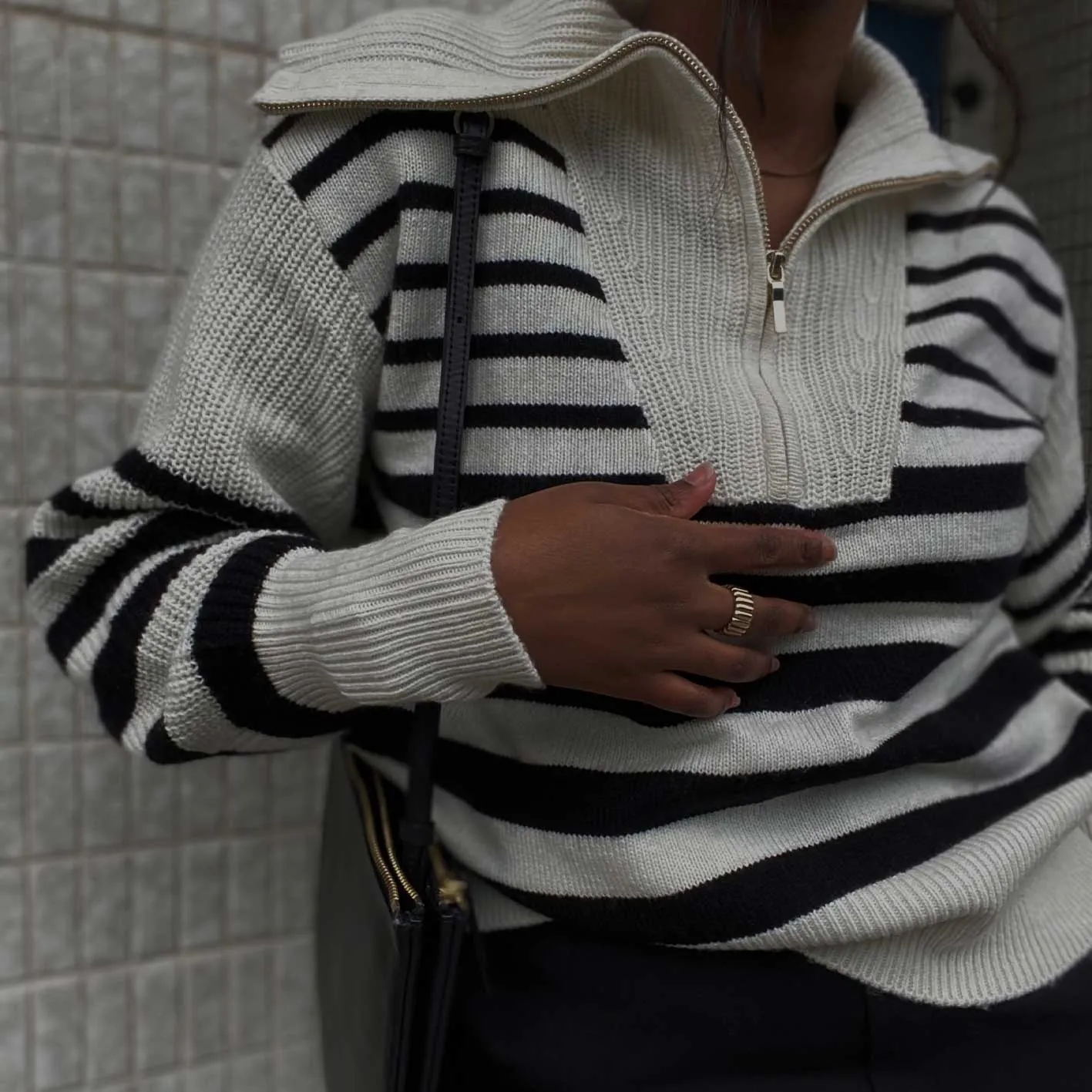
4. Play with texture. A plain white backdrop gives you a clean, simple flatlay. Swap in a fabric backdrop, linen or silk, and the same shot reads richer and more considered.
5. Draw from everyday life. Stuck for subjects? Look at what’s around you: fresh coffee, magazines and books, jewellery, perfume, home decor, greenery, candles, drinks, pastries, fresh produce, beauty products, outfit details, bed linen, and landscapes like the city, window views, the beach and architecture.
6. Learn the basics of composition. Composition is what makes a simple subject look intentional. Start with the rule of thirds, diagonals and triangles, leading lines, the rule of odds, the left-to-right rule, and repetition and patterns.
7. Take every photo opportunity. Shoot whenever something catches your eye, even if you never post it. “If I find an interesting-looking setting, I’ll take photos of whatever I have on me. This is usually my bag, shoes or accessories,” says @yourbaeray. “I may or may not use the shot, but taking photos whenever I can helps train my eye to pick out the most creative and aesthetic-looking locations in life.”
Frequently asked questions about filler photos
What counts as a filler photo?
Any aesthetic image that isn’t a full-body or full-outfit shot: a flatlay, a single object, a texture, an outfit detail, a landscape. Its job is to connect your main posts and give the feed visual rhythm.
How often should I post filler photos?
There’s no fixed ratio. Many creators alternate one filler photo with one feature post, but a loose rhythm works better than a rigid rule. Post them often enough to break up similar formats, for example, between two Reels or two sponsored posts.
Do filler photos hurt engagement?
Not when they’re intentional. They give your audience breathing room, make your feature posts stand out, and keep you posting consistently, which the algorithm rewards. The goal is a feed that looks cohesive and considered, not padded.
The best feeds are designed, not posted
Filler photos look spontaneous, but the creators who do this well treat their feed as a system: every image placed on purpose, every detail earning its spot, the whole thing building toward one recognisable look. That intention is exactly what turns a personal account into a creator’s most valuable asset.
It’s also how the best brand partnerships work: content built with the same care as the feed it lives on. At Vamp, we work with creators who treat their craft as infrastructure, not afterthought. Master the details, and the rest compounds.