YouTube Shorts: the complete guide for brands and creators

YouTube Shorts is YouTube's short-form vertical video format, clips up to three minutes long, served in a swipeable feed, sitting inside the largest video platform on earth.
What started in 2021 as YouTube’s answer to TikTok is now a default surface for short-form video, drawing more than 70 billion daily views. For brands and creators, the question is no longer whether Shorts will take off. It has. The question is how to use it well.
This guide covers what YouTube Shorts are, how they work in 2026, how to make one, how they differ from TikTok and Instagram Reels, and where they fit in a brand’s creator strategy.
The short version:
- YouTube Shorts are vertical videos up to three minutes long, shown in a dedicated feed across mobile, desktop and TV.
- They live inside YouTube’s wider ecosystem, search, long-form, subscriptions, which gives short-form content a long discovery tail most platforms can’t match.
- Creators monetise Shorts through the YouTube Partner Programme’s ad revenue share, not the old 2021–2022 creator fund.
- For brands, the advantage isn’t a new format. It’s reach that connects to intent, and a back catalogue of trusted creators you can build with.
What are YouTube Shorts?
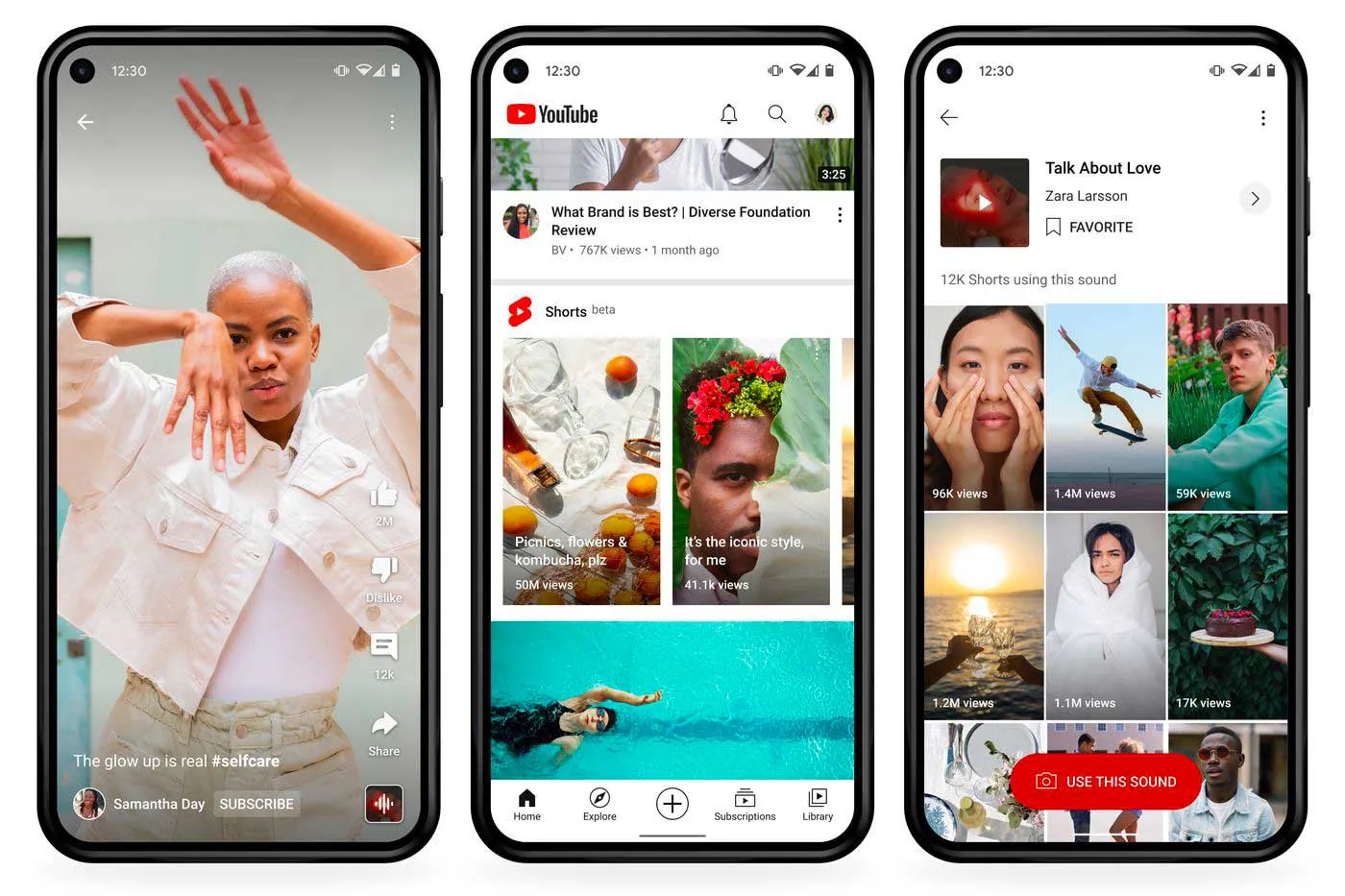
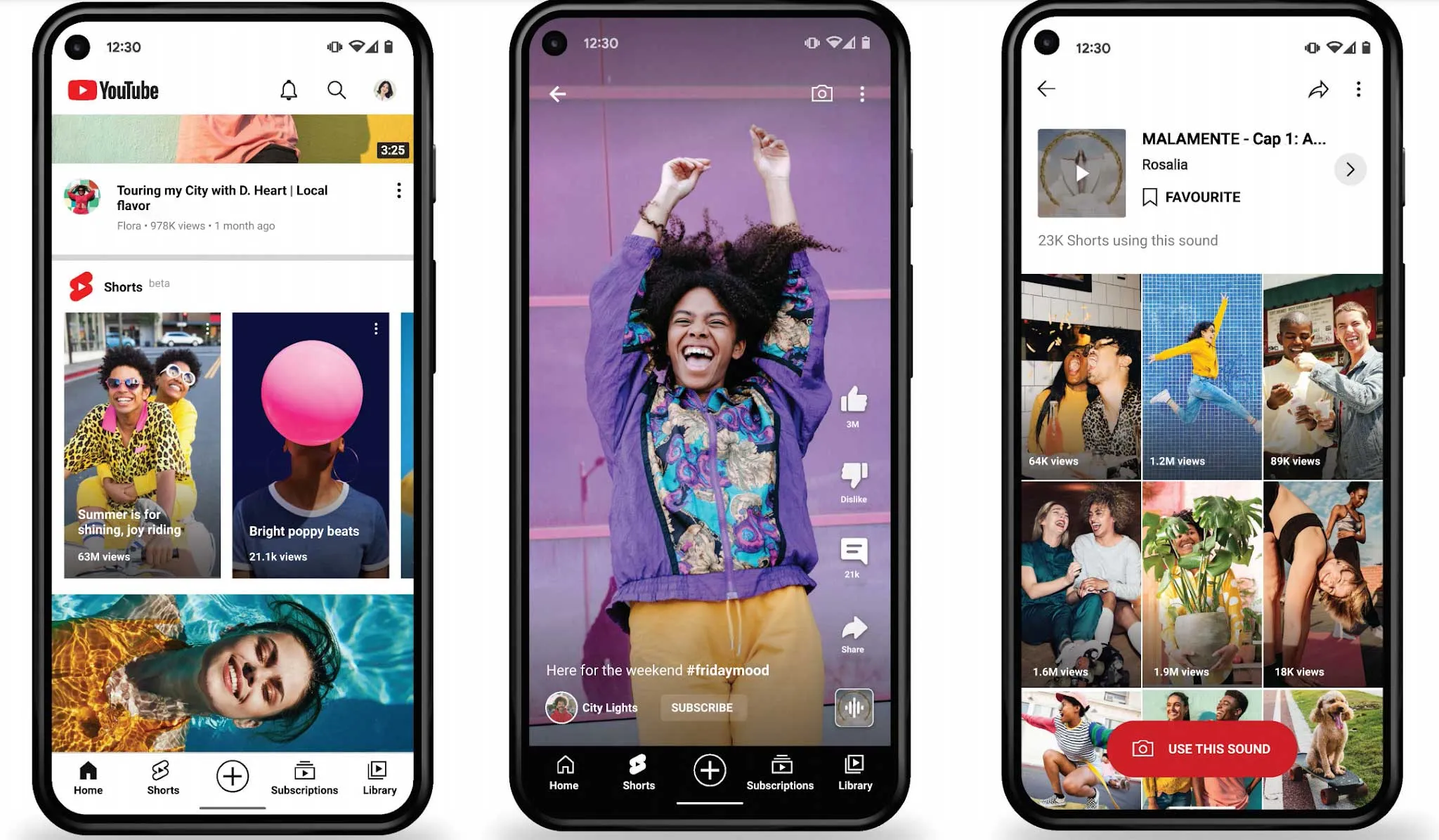
YouTube Shorts are short, vertical videos created and viewed inside the YouTube app or on the web. They appear in a dedicated Shorts feed that scrolls vertically, one clip at a time, the same behaviour that made TikTok’s For You page so sticky.
Viewers can like, dislike, comment, share and subscribe straight from a Short, and creators can layer in audio, text, filters and effects. The format launched globally in 2021 and is now available worldwide, fully integrated into the platform rather than bolted on the side.
What sets it apart is context. A Short doesn’t sit in an isolated short-form app. It sits next to a creator’s long-form videos, playlists and subscriber base, inside a platform people actively use to search for answers.
How long can a YouTube Short be?
Up to three minutes. Shorts began life capped at 15 seconds, then moved to 60, and since October 2024 creators can publish vertical clips up to three minutes long and still have them treated as Shorts.
That longer ceiling matters for brands. It’s enough room for a genuine product demonstration, a tutorial or a mini-narrative, not just a punchline, while keeping the snackable, swipeable feel audiences expect from the feed.
Where can I find YouTube Shorts?
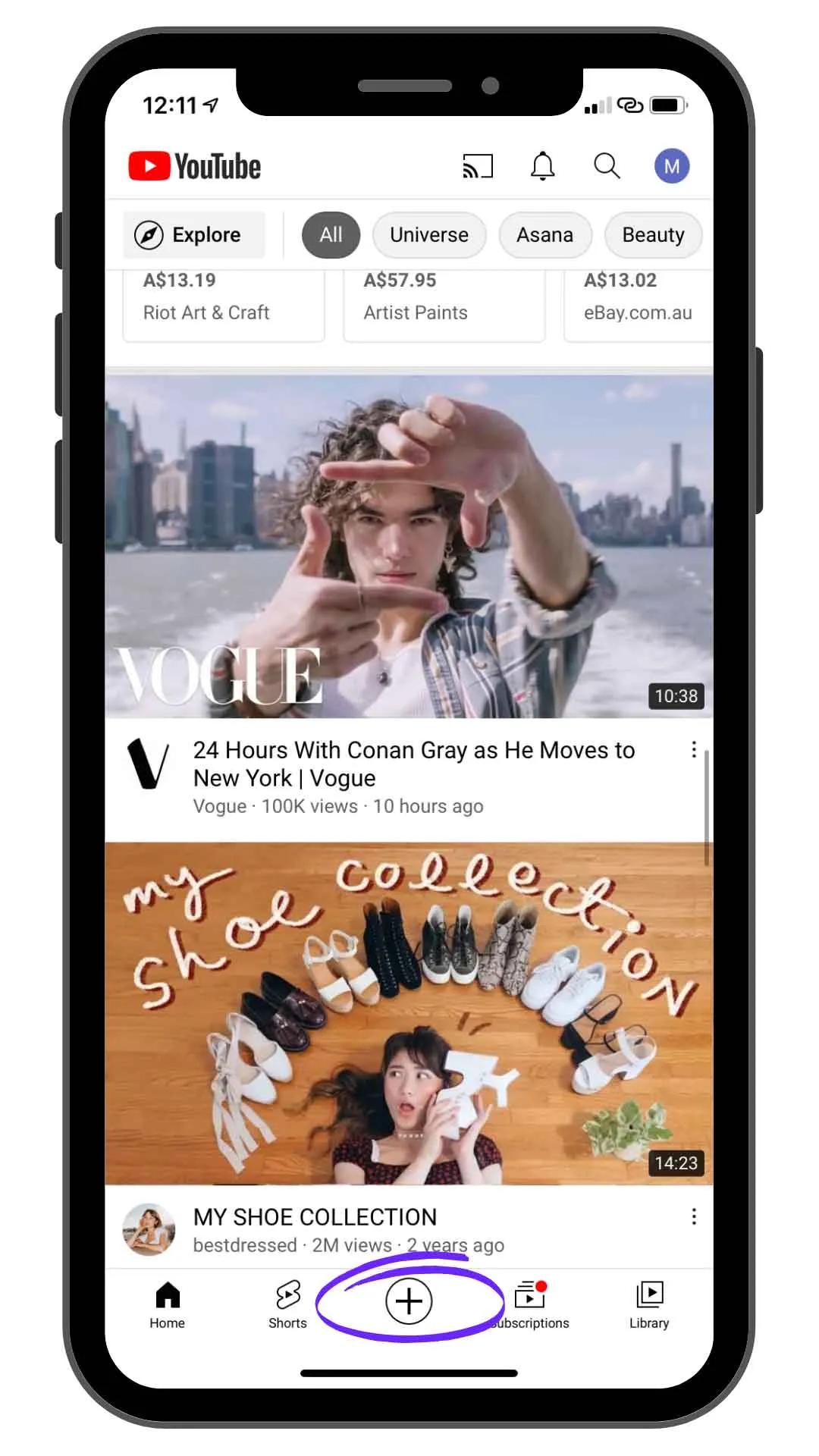
Shorts has its own tab in the YouTube mobile app, sitting between the Home and Subscriptions icons in the bottom navigation. Tapping it opens the Shorts feed directly.
It’s no longer a mobile-only experiment, either: Shorts now plays on desktop and on the YouTube TV interface, which widens the audience well beyond the phone-first viewer.
How do I create a YouTube Short?
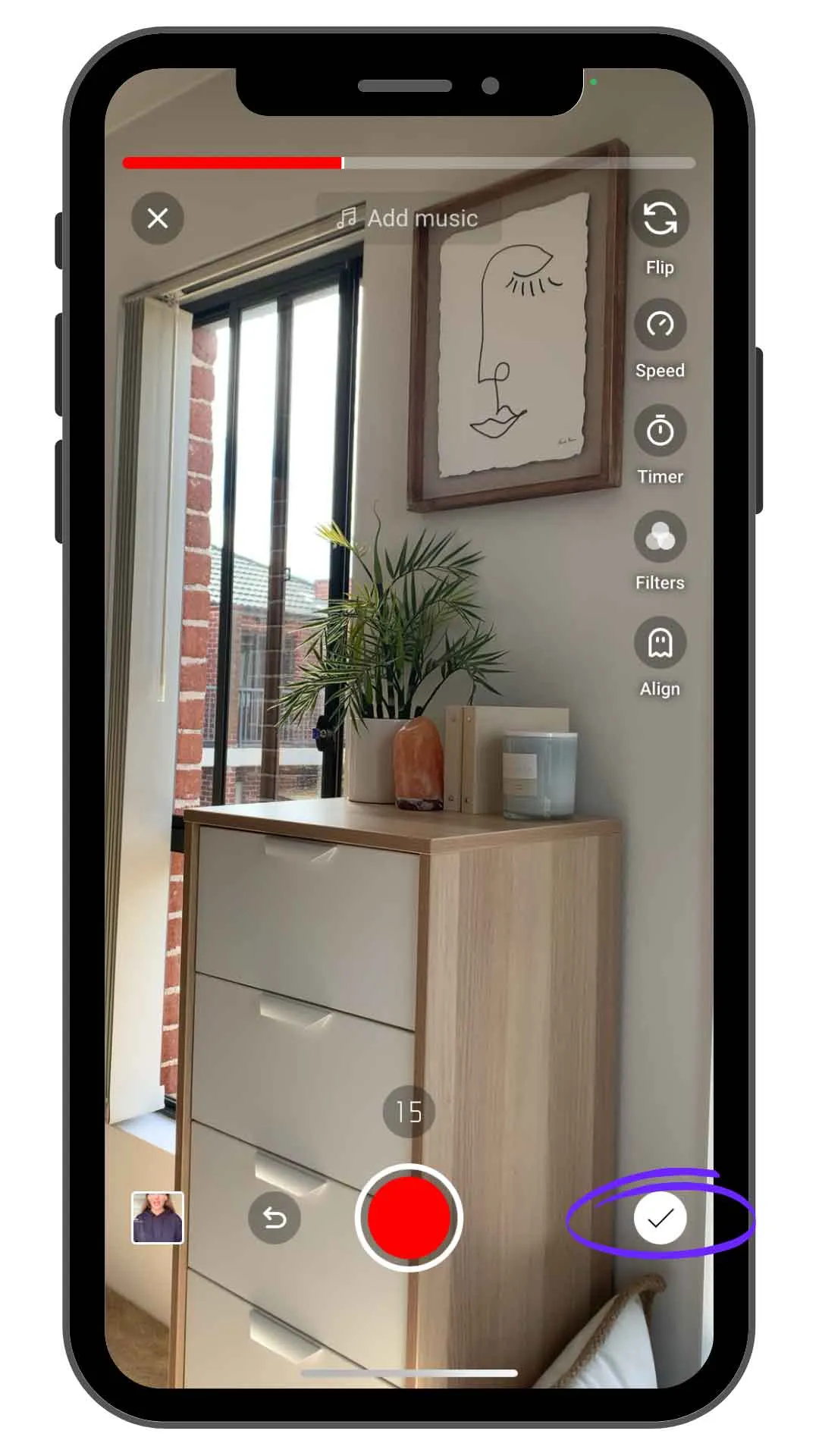
Like TikTok and Reels, Shorts are made directly in the YouTube mobile app, and the flow is straightforward.
1. Tap the ‘+’ (Create) icon in the bottom navigation.
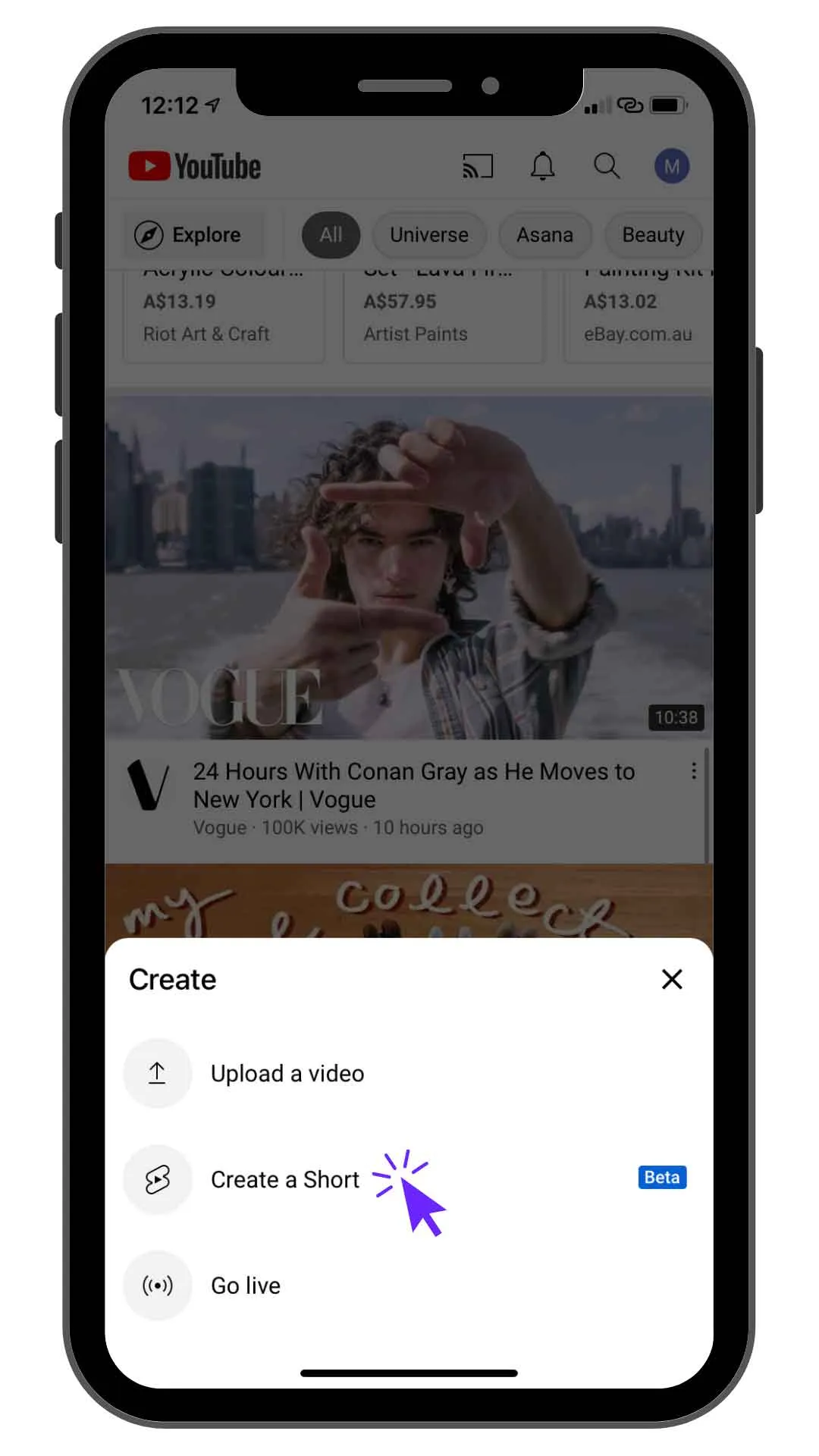
2. Select ‘Create a Short’.
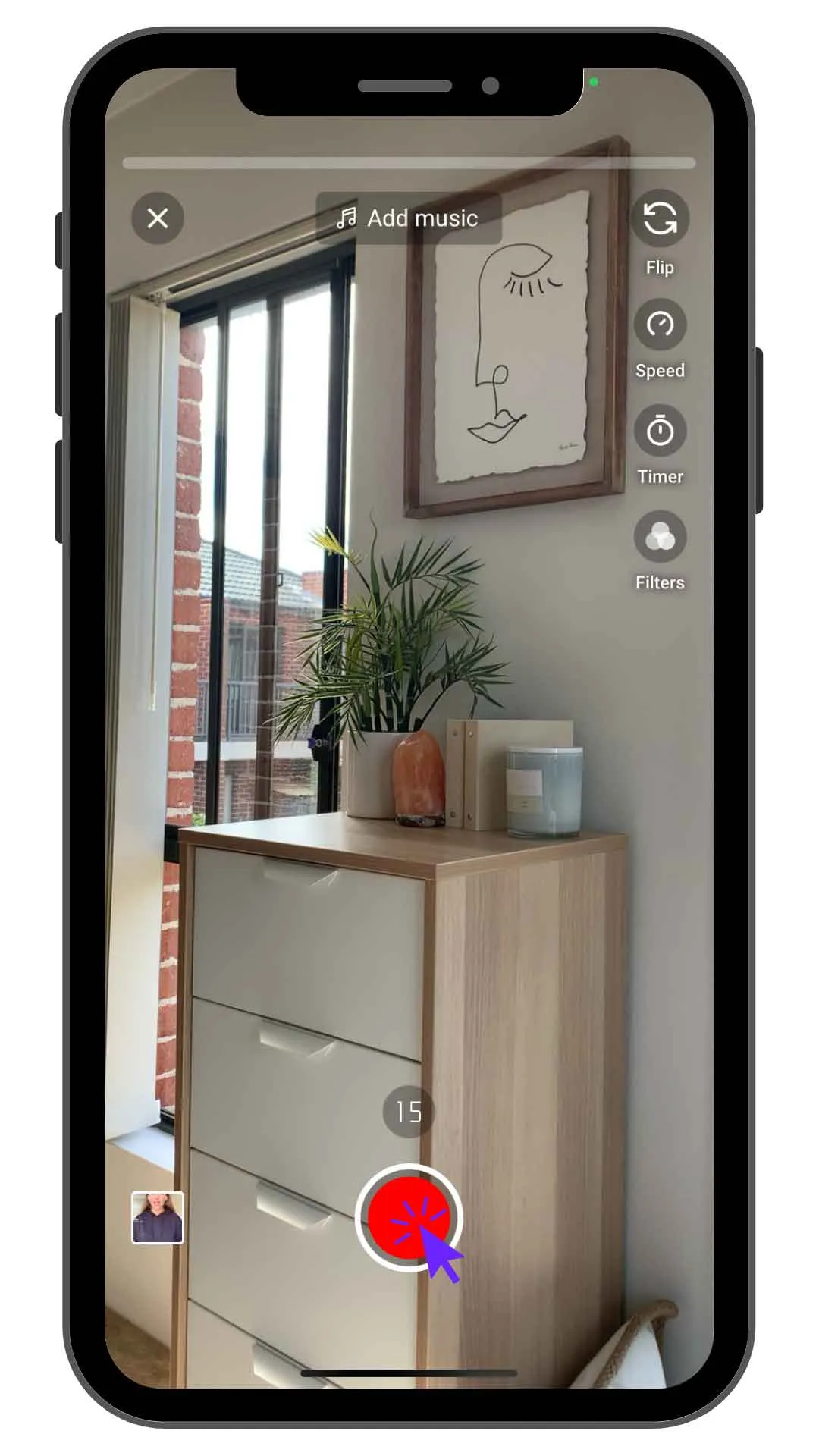
3. Record by holding the capture button, or upload an existing clip from your camera roll. This is where you set video speed, add a timer, adjust framing and apply effects.
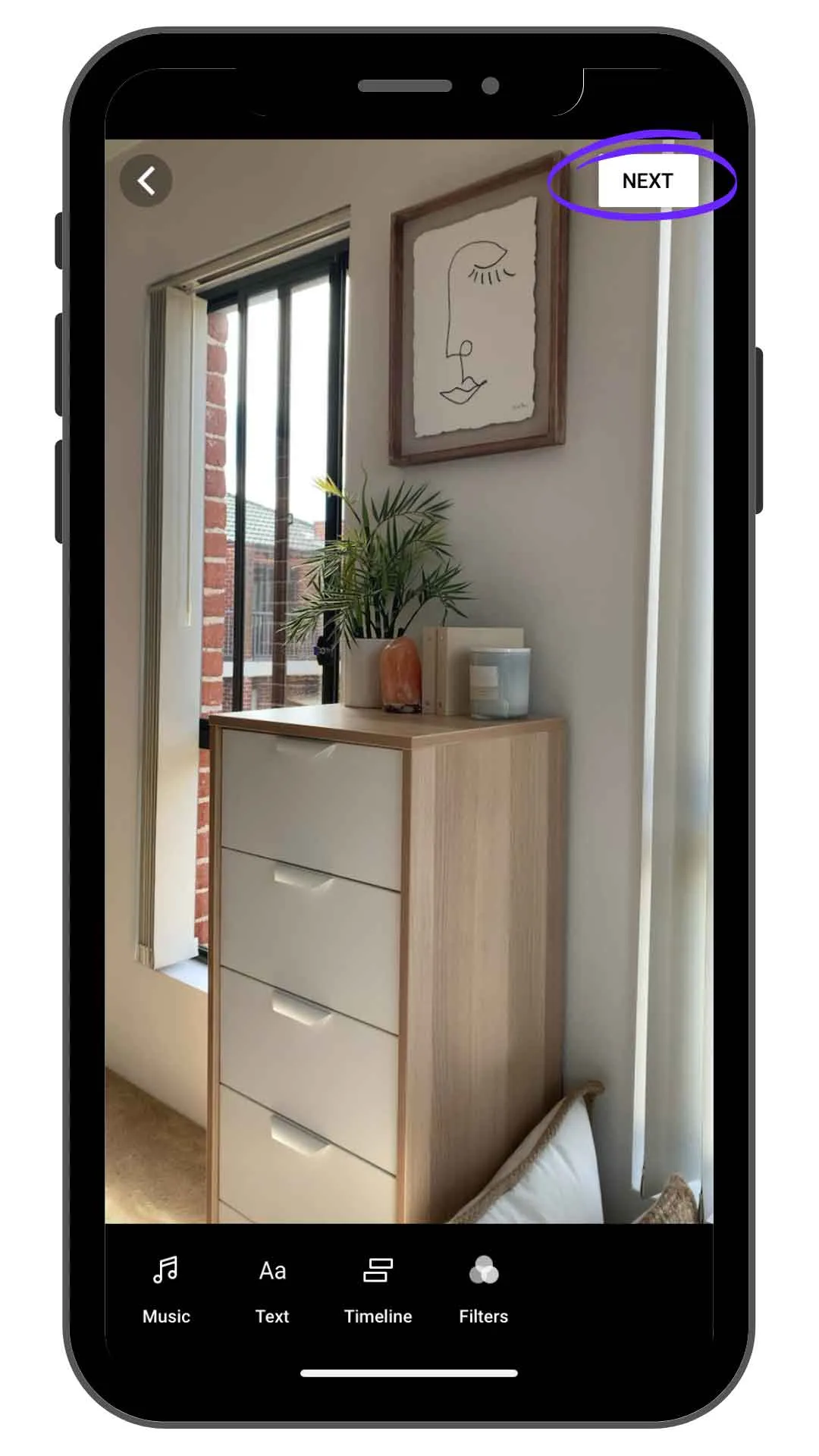
4. Trim and arrange your clips, then move to the editing stage.
5. Add music from YouTube’s audio library, plus text overlays, captions, voiceover and filters.
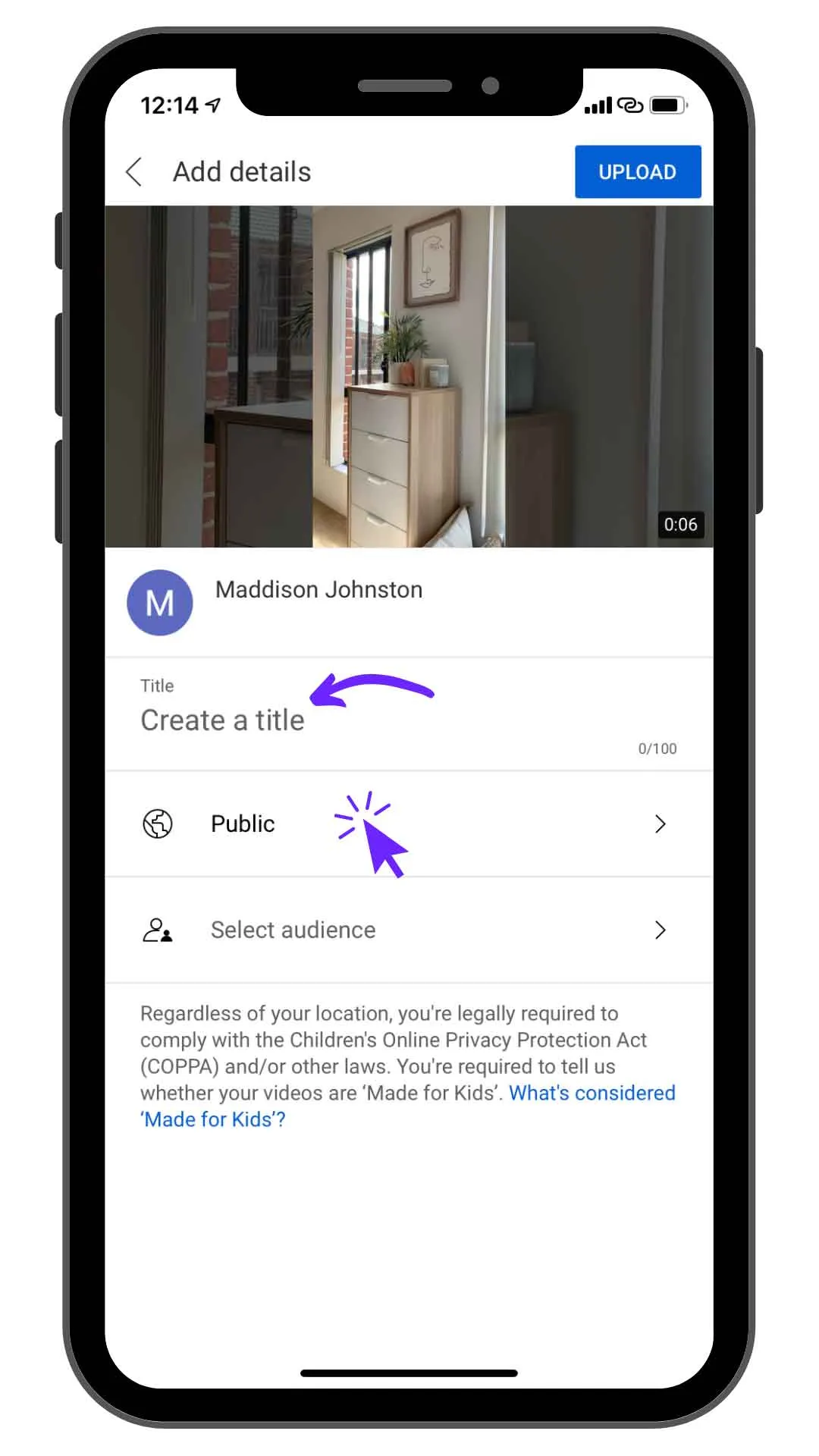
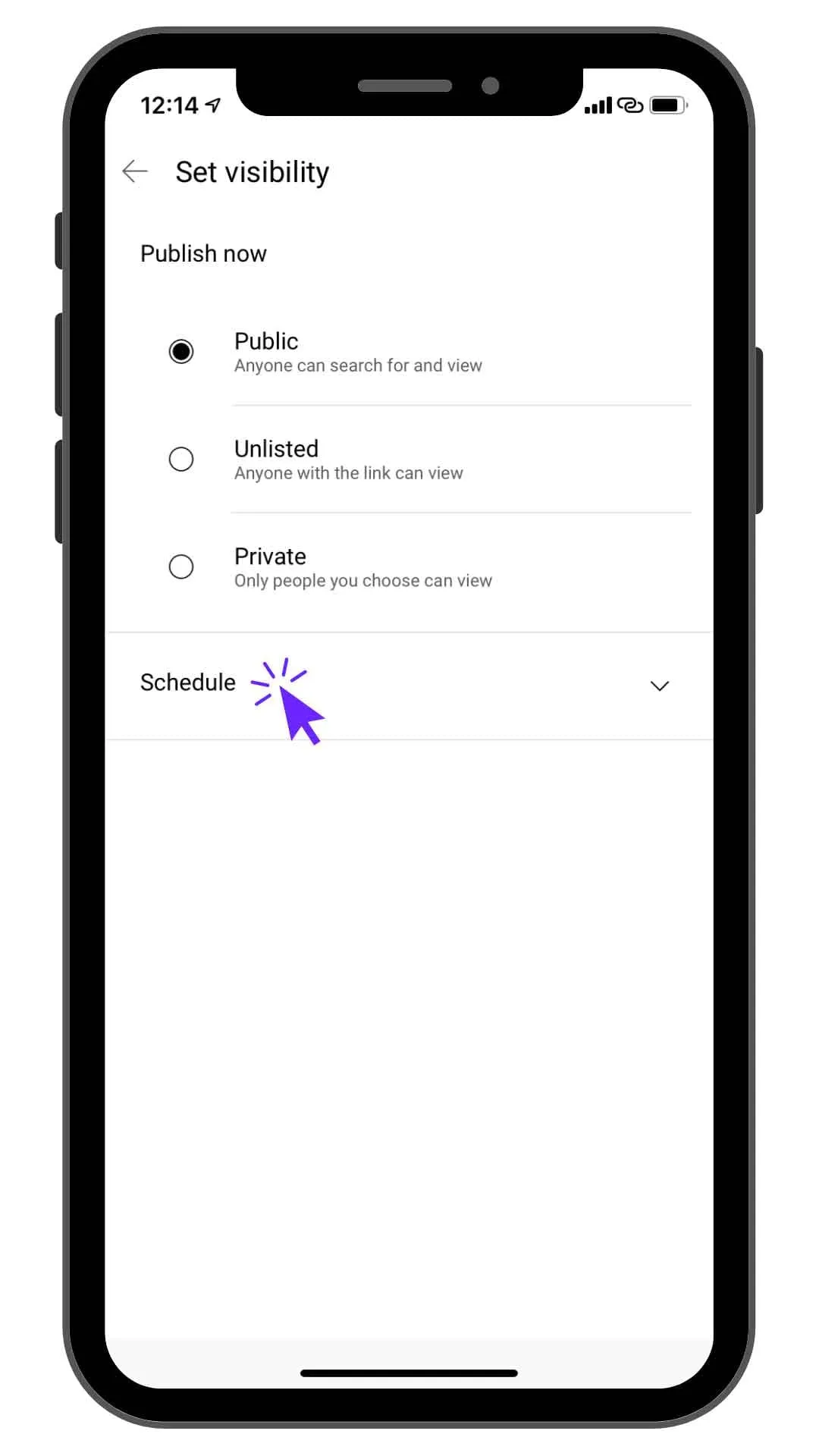
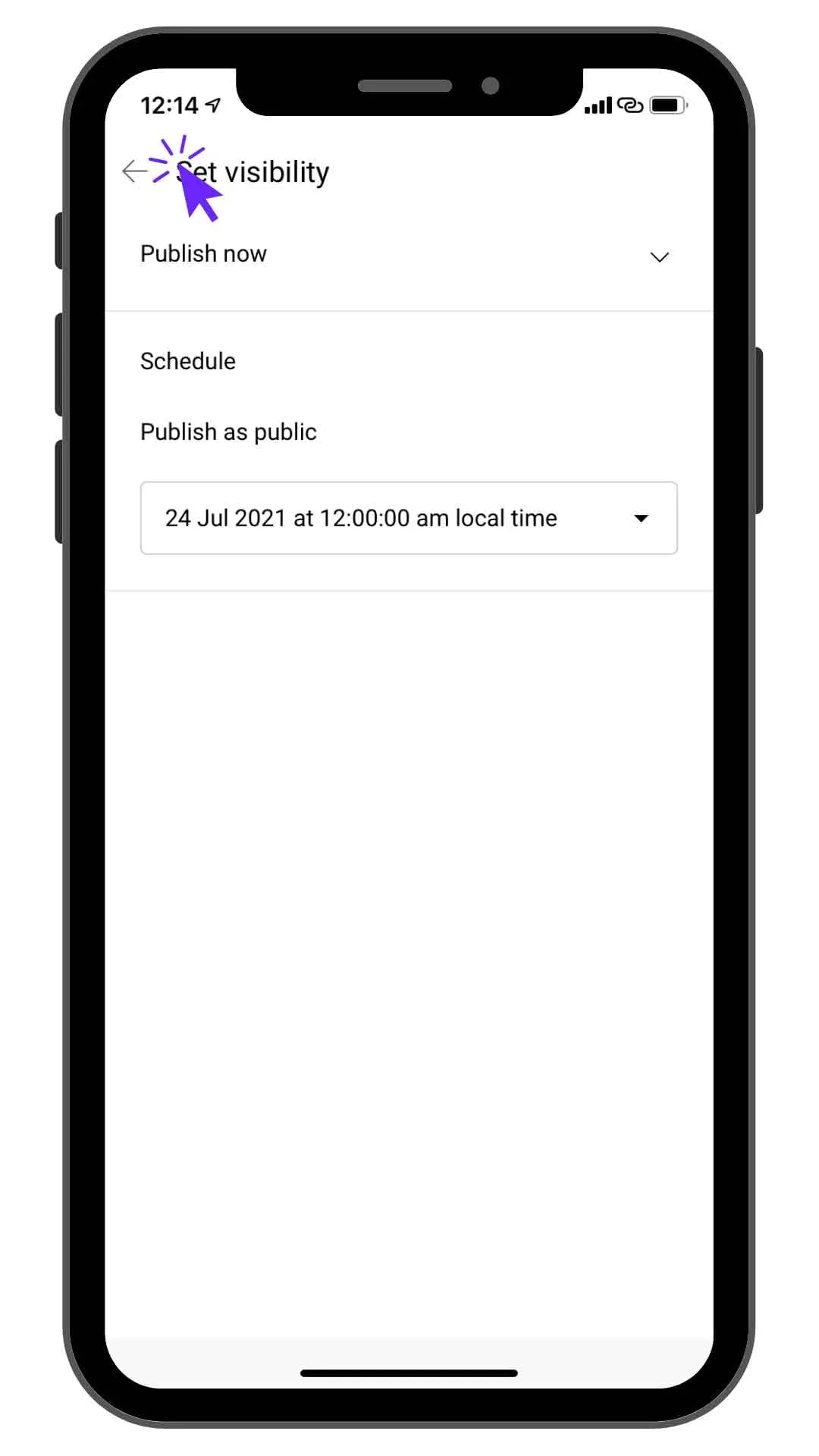
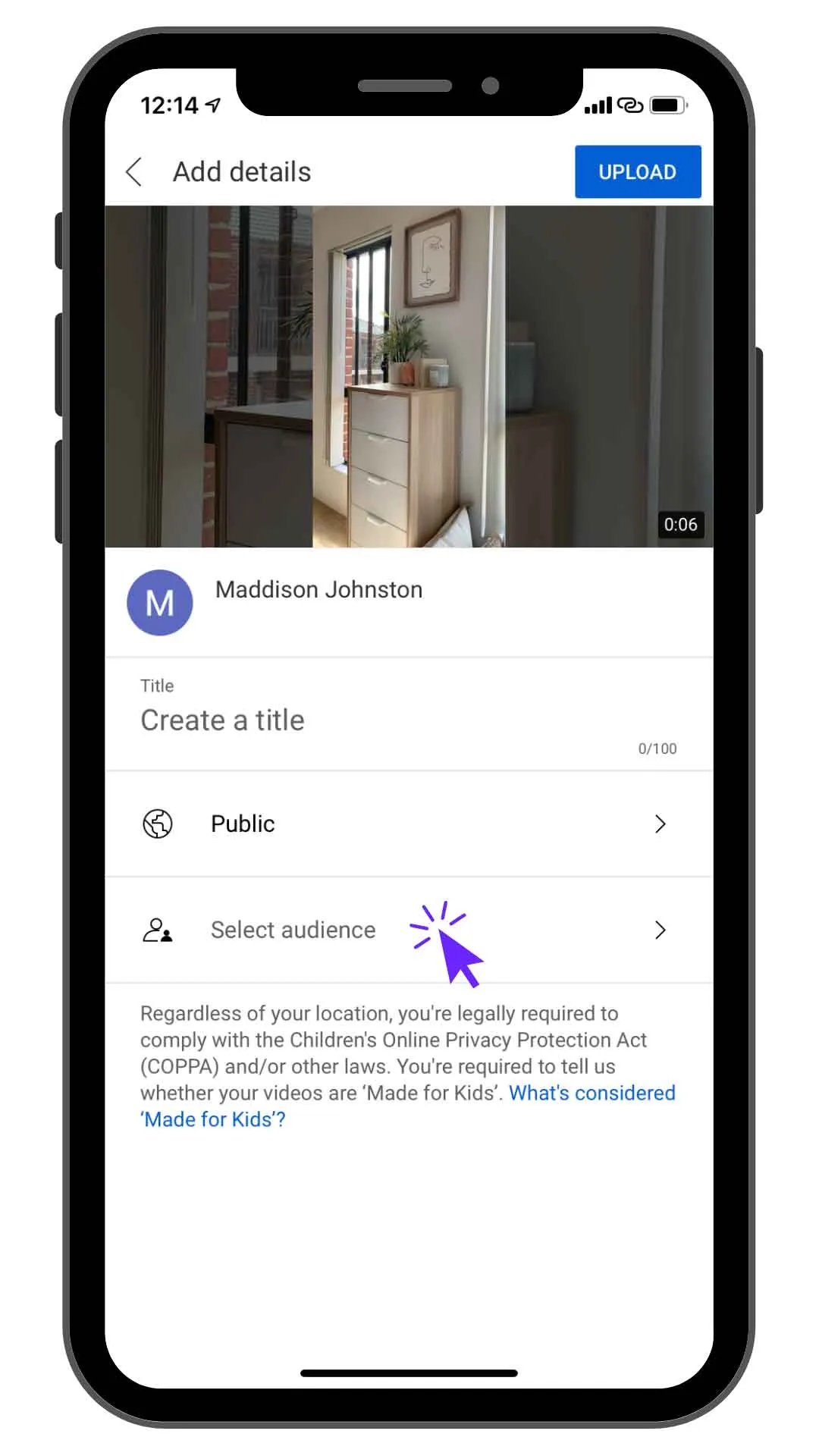
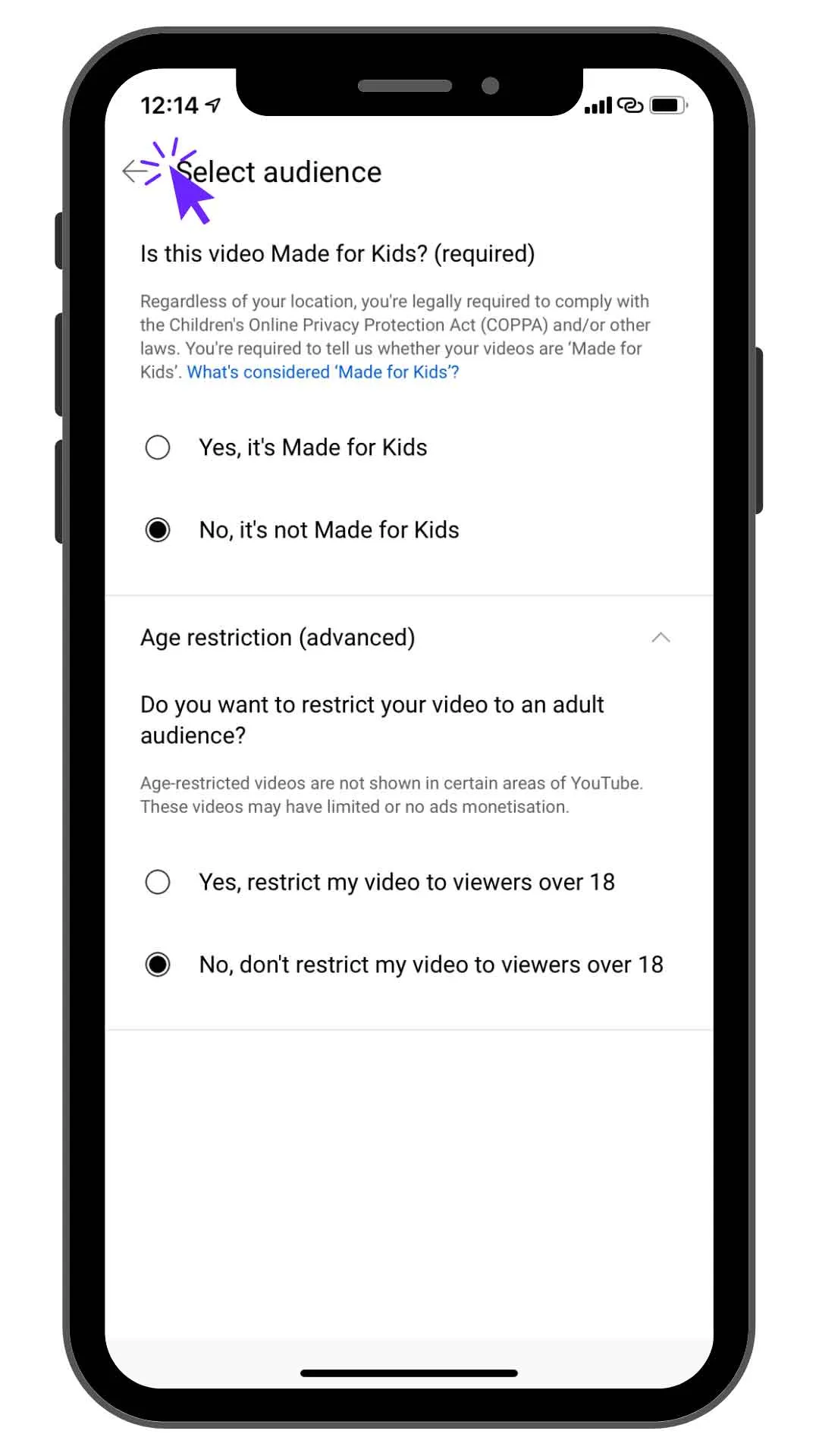
6. Add a title, set visibility (public, unlisted or private), choose a thumbnail, schedule the post and set any audience or age restrictions, the same controls YouTube creators already know.
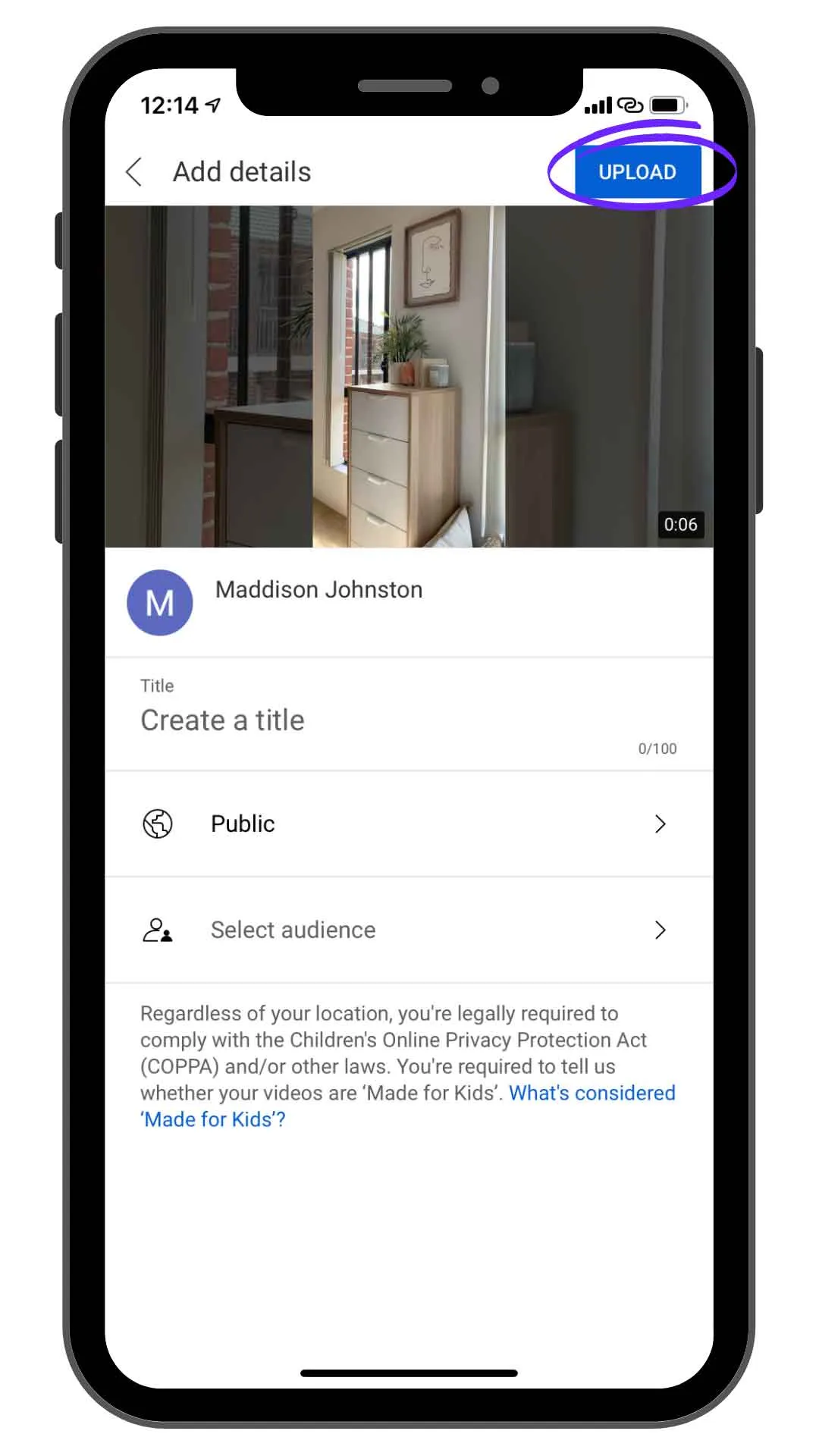
7. Tap ‘Upload’, and your Short is live.
For brands working with creators, the upload controls are part of the appeal: native scheduling and the same publishing settings as long-form video make Shorts straightforward to plan and govern at scale.
How do creators make money from YouTube Shorts?
Through the YouTube Partner Programme. The original $100 million Shorts creator fund ran across 2021 and 2022 and has since been retired. In its place, YouTube rolled out ad revenue sharing for Shorts in early 2023: eligible creators earn a share of the advertising revenue generated in the Shorts feed.
This is a more durable model than a fixed pot of money. It ties creator earnings to the platform’s own ad business, which means the upside scales with the format rather than expiring on a deadline. And it gives creators a real reason to keep publishing Shorts consistently.
How are YouTube Shorts different from TikTok and Instagram Reels?
On the surface, the three formats look almost identical: vertical video, a swipeable feed, music and effects. The differences that matter to brands sit underneath.
One of the deepest music libraries. Most artists upload their music, and their music videos, to YouTube, which gives Shorts an enormous, well-licensed audio catalogue to draw from. For creators, that’s range; for brands, it’s options when soundtracking branded content.
A loyal subscriber base feeds discovery. Many YouTube creators have spent years building an engaged, subscribed audience around long-form content. A Short doesn’t start from zero. It can surface to people who already trust the creator, which tends to lift watch-through and relevance, not just raw reach.
Native scheduling. Shorts use YouTube’s standard publishing flow, so you can schedule posts to go live at peak times. TikTok and Reels both support drafts, but native in-app scheduling is more limited, a practical advantage when you’re co-ordinating creator content across markets.
Search and a long discovery tail. This is the real differentiator. YouTube is the world’s second-largest search engine, and Shorts benefit from that intent. A clip can keep surfacing in search and suggested feeds long after it’s published, whereas short-form on other platforms tends to peak fast and fade.

Who uses YouTube Shorts?
YouTube’s audience skews broader and slightly older than TikTok’s, which is part of the appeal for brands chasing buying power rather than just attention. YouTube reaches the overwhelming majority of online adults across age groups, while TikTok’s base still indexes younger.
It can also be a higher-intent audience. People come to YouTube to learn, compare and decide: tutorials, reviews, product comparisons, how-tos. A Short that catches someone mid-research sits much closer to a purchase decision than a clip caught mid-scroll on a pure entertainment feed.
Are YouTube Shorts a good opportunity for brands?
Yes. But the opportunity isn’t the format itself. Short-form video is now table stakes across TikTok, Reels and Shorts; most brands already produce it. The advantage on YouTube is what surrounds the Short.
A clip on YouTube can be discovered through search, recommended alongside a creator’s long-form catalogue, and watched on a TV in someone’s living room. That’s a different proposition from a disposable feed. The brands that win here treat Shorts not as a one-off content drop but as one node in a creator-led system, connected to long-form, to search intent, and to the rest of their distribution.
That’s the part that’s hard, and it’s the part we build. Vamp is a tech-enabled influencer marketing agency: we design creator-led growth systems across YouTube, TikTok and beyond, so short-form video compounds into measurable growth instead of disappearing down the feed. Talk to us.
FAQs
How long can a YouTube Short be?
Up to three minutes. The cap was 15 seconds at launch, then 60 seconds, and rose to three minutes for newly uploaded vertical videos in October 2024.
Do YouTube Shorts make money?
Yes. Since early 2023, eligible creators in the YouTube Partner Programme earn a share of the advertising revenue generated in the Shorts feed. The original 2021–2022 Shorts creator fund has been retired.
Are YouTube Shorts better than TikTok or Reels for brands?
It depends on the goal. Shorts’ edge is integration with YouTube search, long-form content and a subscribed audience, which gives content a longer discovery tail and connects it to higher purchase intent. TikTok and Reels can move faster on pure cultural reach. Most brands use all three, with content tailored to each.
Can you schedule YouTube Shorts?
Yes. Shorts use YouTube’s standard publishing flow, so you can schedule them to go live at a chosen time, useful when co-ordinating creator content across markets.