Social media's most viral moments and what they teach brands
Social media's most viral moments are the rare posts that escaped their platform and entered the culture: the dress, the egg, Gangnam Style, the Oscar selfie.
They are worth remembering on World Social Media Day. They are also worth understanding, because most brands draw the wrong lesson from them. Virality looks like a strategy. It isn’t. It’s lightning, and lightning is not a plan.
Here’s the more useful read: almost none of these moments were engineered, and the ones that paid off did so because someone moved fast to build something durable on top of the spike. That gap, between a moment of attention and a system that turns attention into value, is the whole game.
The short version:
- The biggest viral moments in social history were mostly accidents, not campaigns.
- Reach without a plan evaporates; the people who won converted the spike into something they owned.
- You can’t manufacture virality on demand. You can build influence that compounds whether or not it ever goes viral.
- The brands that last treat creators as systems, not lottery tickets.
Let’s get into the moments themselves, and what each one quietly teaches.
Why did TikTok change what “viral” means?
TikTok didn’t just produce viral videos; it industrialised the conditions for them. Its recommendation engine put distribution ahead of follower count, so a creator with no audience could reach millions overnight. That rewired the entire category.
The platform’s own rise was a viral moment. As lockdowns sent people looking for entertainment, downloads surged, and TikTok cemented its place at the top of the app download charts. It now counts well over a billion monthly active users.
It also produced some of the most-viewed clips ever made. For years the most-viewed TikTok was creator Zach King’s broomstick illusion, Harry Potter sleight of hand, more than 2.2 billion views and 16.5 million likes. Honourable mentions: longboarder Nathan Apodaca gliding to Fleetwood Mac’s Dreams with a bottle of Ocean Spray, and Bella Poarch’s record-breaking lip-sync to M to the B.
The lesson isn’t “make a clever video.” It’s that distribution beats reach. Apodaca’s clip sent Dreams, a 1977 song, back up the charts and earned Ocean Spray a windfall it never paid for. The attention was free. The brands and creators who captured value were the ones already set up to catch it.
If only Bradley’s arm was longer. Best photo ever. #oscars pic.twitter.com/C9U5NOtGap
Ellen DeGeneres (@TheEllenShow) March 3, 2014
The Oscar selfie
The selfie is now reflex. The one most people picture is Ellen DeGeneres’ Oscar selfie from 2014.
Twelve A-listers crowded into frame, Bradley Cooper, Lupita Nyong’o, Meryl Streep, Brad Pitt, and the photo was retweeted more than 3 million times, holding the record for the most-retweeted image for three years. Worth noting: it was a Samsung placement, woven into the broadcast. The most “spontaneous” viral moment of its era was, in part, a planned one. That’s the tell. The seams of intention are usually hiding inside the magic.
Storm Area 51
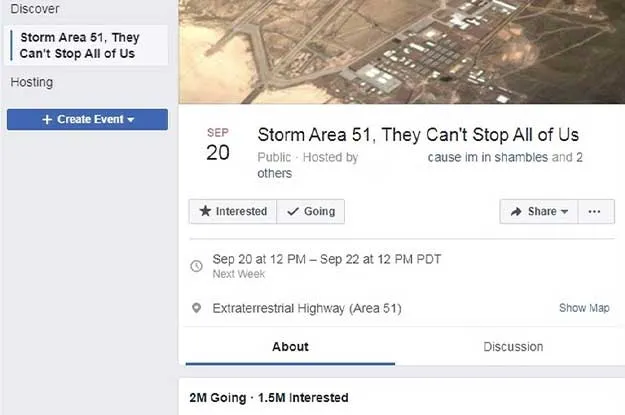
Matty Roberts turned a Facebook events page into a piece of internet folklore. “Storm Area 51, They Can’t Stop All Of Us” was a joke that escaped containment, drawing over 2 million RSVPs pledging to raid a classified US Air Force site in Nevada.
In the end, around 6,000 people showed up, and nobody stormed anything. The reach was real; the outcome was nothing. A clean illustration of the trap: an RSVP, a like and a view are not the same as intent. Volume measures exposure, not influence.
Rise and Shine
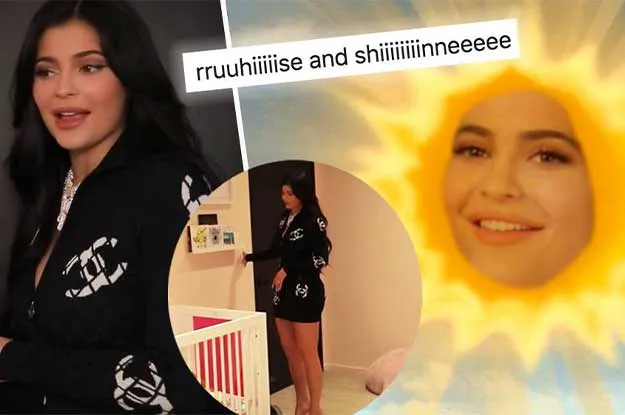
Reality star, makeup mogul, model, and, briefly, a singer. While touring her office on YouTube, Kylie Jenner sang a two-word lullaby to her daughter Stormi and accidentally created a hook the internet couldn’t put down.
“Rise and shine” became a meme overnight, spawning remixes and sounds across TikTok. What happened next is the part brands should study: Jenner moved fast, filed to trademark the phrase and dropped hoodies that sold out almost instantly. The moment was an accident. The monetisation was a system already in place to catch it.
What colour was THAT dress?
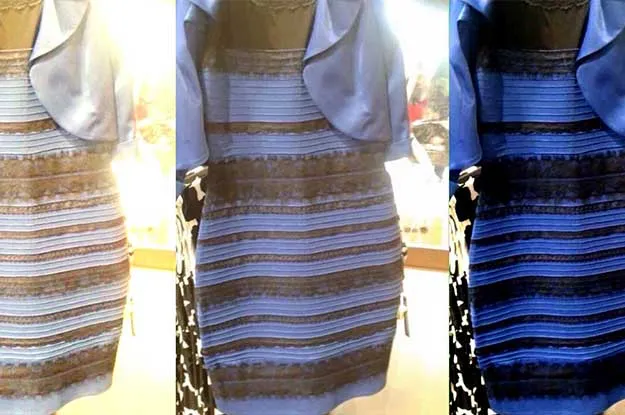
One of the internet’s defining arguments. It tested friendships and split households. Blue and black, or white and gold? Scientists, news anchors and celebrities all weighed in. (Blue and black, for the record.)
BuzzFeed’s poll racked up over 37 million views within a month of the image first appearing on Tumblr on 26 February 2015. On Twitter, the dress drew 4.4 million tweets in 24 hours. No user was safe. And no brand could have planned it, which is exactly the point. The moments you can’t script are the ones you can’t depend on.
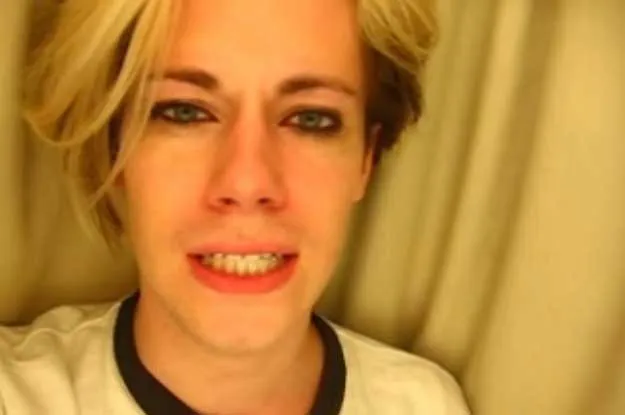
Leave Britney Alone
Chris Crocker was early. His tearful “Leave Britney Alone!” video, posted to YouTube and Myspace in 2007, read like creator culture before the language for it existed.
Myspace, with over 200 million accounts at its peak, carried the clip to viral status almost overnight, 4 million views in four days. Nearly two decades on, the phrase still gets referenced. Cultural staying power, it turns out, outlasts the platform that produced it.
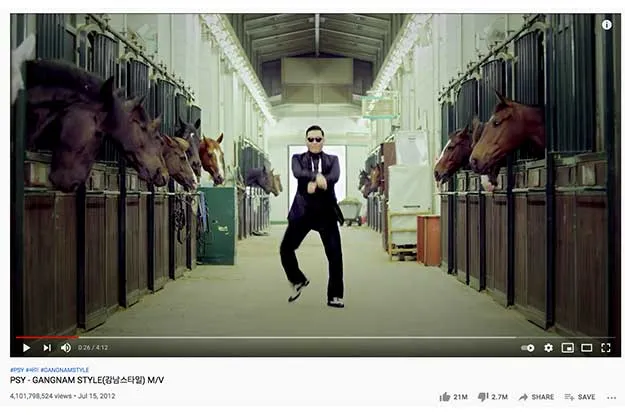
Gangnam Style
The catchiest export of 2012. PSY’s hook and that horse-riding dance jumped from screens to dance floors worldwide.
The video was so dominant it broke YouTube’s view counter, and it remains one of the platform’s most-watched uploads of all time, with billions of views. It crossed languages and borders without translation, proof that distribution, not demographics, decides where attention travels.
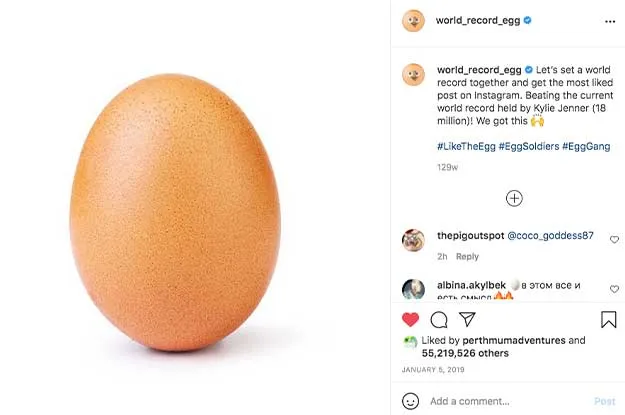
An egg beat Kylie Jenner
In February 2018, Kylie Jenner’s post announcing Stormi’s name became the most-liked photo on Instagram. Less than a year later, it was dethroned by a stock photo of an egg.
Eugene the Egg arrived with one line: “Let’s set a world record together and get the most liked post on Instagram.” It worked, over 55 million likes, and then revealed itself as a mental-health campaign. That’s the rare example of virality with a blueprint: a clear, single ask, a reason to participate, and a payoff waiting at the end. Engineered intent, not lightning.
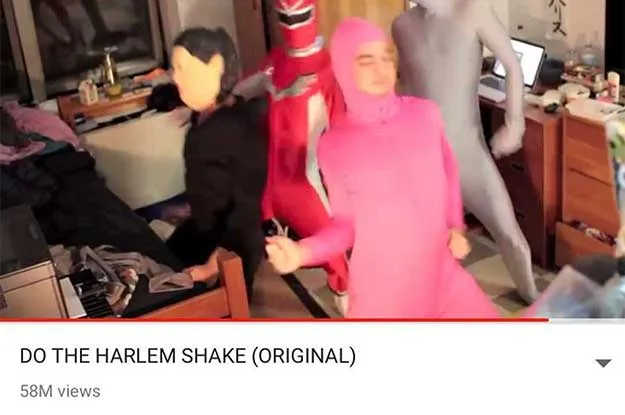
The Harlem Shake
Were you even online in 2013 if you didn’t film one? The format, a group grooving calmly, then erupting into chaos when the bass drops on Baauer’s “Harlem Shake”, spread through hundreds of thousands of remakes.
Brands piled in fast; even Pepsi cut its own version. The track topped the charts and helped sell out shows on the strength of the meme alone. The template was simple, repeatable and remixable, which is precisely why it scaled. Participation, not polish, is what turns a clip into a movement.
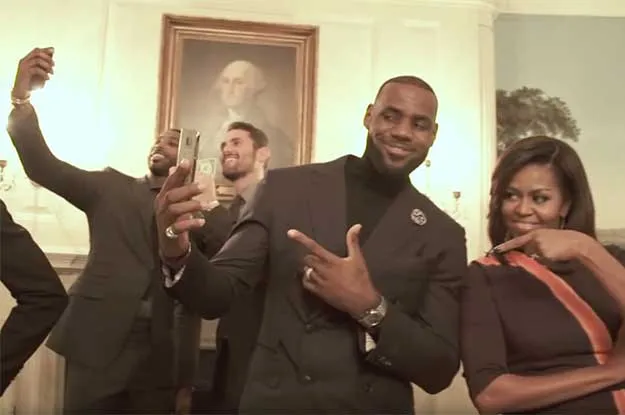
The Mannequin Challenge
Before TikTok challenges, there was the Mannequin Challenge. In November 2016, a clip by high-school students in Jacksonville turned into a global format: groups freezing mid-scene, motionless, to Rae Sremmurd’s “Black Beatles.”
It reached the White House, Hillary Clinton’s campaign plane and every corner of celebrity. Like the Harlem Shake, it spread because it was easy to copy and easy to make your own, a reminder that the best formats hand the audience a role, not just a thing to watch.
Charlie Bit My Finger
The Davies-Carr family only uploaded the clip because they couldn’t email it to relatives. It became one of the first and most enduring viral videos ever made.
“Charlie Bit My Finger” was once the most-viewed video on YouTube, passing 880 million views before the family removed it and sold it as an NFT for £538,000 to fund the boys’ university education. A home video, monetised fifteen years later. Attention, it turns out, can hold value long after the moment has passed, if you own the asset.
What do these viral moments actually teach brands?
Look across all of them and a pattern emerges. The attention was almost never planned. The value, when there was any, came from what people built on top of it: a trademark, a sold-out drop, a campaign, an owned asset.
That’s the line between virality and influence. Virality is a spike you can’t summon and can’t repeat. Influence is the system underneath: the creators you work with consistently, the formats you can run again, the distribution you control, the measurement that tells you what’s compounding.
We don’t chase viral moments. We build the infrastructure that makes attention pay off when it arrives, and keeps performing when it doesn’t. Creators stop being lottery tickets and become a system: ecosystems of attention, community and cultural reach you can run on purpose, at scale. Reach is the easy part. Turning it into relevance and measurable growth is the work.
If you want the strategy side of this, our guide to building an influencer marketing strategy is the place to start, and our influencer marketing trends breakdown covers where attention is moving.
FAQs
What was the most viral moment in social media history?
There’s no single answer, but the strongest contenders are “the dress” (4.4 million tweets in 24 hours), the world record egg (over 55 million Instagram likes), and Gangnam Style, which broke YouTube’s view counter. Each one reached a global audience without paid distribution.
Can a brand make something go viral on purpose?
Not reliably. Almost every famous viral moment was an accident. What brands can engineer is consistent influence, repeatable formats, the right creators, and distribution they control, so growth doesn’t depend on lightning striking. The egg campaign is the rare exception that proves the rule: it worked because it had a clear ask and a plan behind it.
Why is virality a bad goal for marketing?
Because it’s unpredictable, unrepeatable and easy to mistake for impact. A viral spike delivers exposure, not necessarily intent or sales. A system built on creators, content and measurement delivers compounding value whether or not anything ever goes viral.
What is World Social Media Day?
World Social Media Day falls on 30 June each year and marks the role social platforms have played in connecting people and reshaping culture, a fitting moment to revisit the posts that defined the internet.
Virality is luck. Influence is built.
These moments are fun to remember and impossible to repeat. That’s the trap: brands keep trying to bottle lightning when the more valuable work is building influence that performs on demand.
That’s what we do. Vamp is a tech-enabled influencer marketing agency. We design creator-led growth systems and run the infrastructure behind them, so attention becomes measurable growth instead of a moment that fades by Monday. Talk to us.