Where to find royalty-free music for your video content
The best places to find royalty-free music for your video content are YouTube's Audio Library, Soundcloud's commercial-use filter, creative-commons record labels like Monstercat, and subscription libraries built for creators.
Each one gives you tracks that are cleared for commercial use, so your sponsored content, ads and monetised videos won’t trip a platform’s copyright filter or get pulled. Below, how to use all four, and what to watch for with each.
Music does a lot of the emotional work in a video. The right track sets the mood and gives audiences something to feel, happy, nostalgic, tense, which is exactly what builds a connection between you and the people watching. The wrong track, legally speaking, can cost you the video.
Key takeaways:
- Royalty-free music is cleared for use without paying ongoing royalties, essential for sponsored, ad-supported or monetised content.
- Use copyrighted music you’re not licensed for, and platforms can mute, demonetise or remove the video. And the rights holder can pursue you directly.
- Four reliable sources: YouTube’s Audio Library (free), Soundcloud’s commercial-use filter (free, with caveats), creative-commons labels, and creator-focused subscription libraries.
- Always check the attribution requirements and licence terms before you publish.

Why do you need royalty-free music for video content?
When you’re producing sponsored content, ads or monetised videos, you can’t drop in any track you like. You need music that’s cleared for commercial use, royalty-free music, where no ongoing royalty is owed to a rights holder.
Use a copyrighted track without the right licence and the consequences are real: the platform can mute the audio, block the video in some territories, demonetise it, or take it down entirely. On YouTube, that means losing the monetisation on a video you’ve already put work into. The harder problem is finding music that suits your style, feels original, and doesn’t get flagged by automatic copyright detection.
Here are four reliable places to find it.
Source 1: The YouTube Studio Audio Library
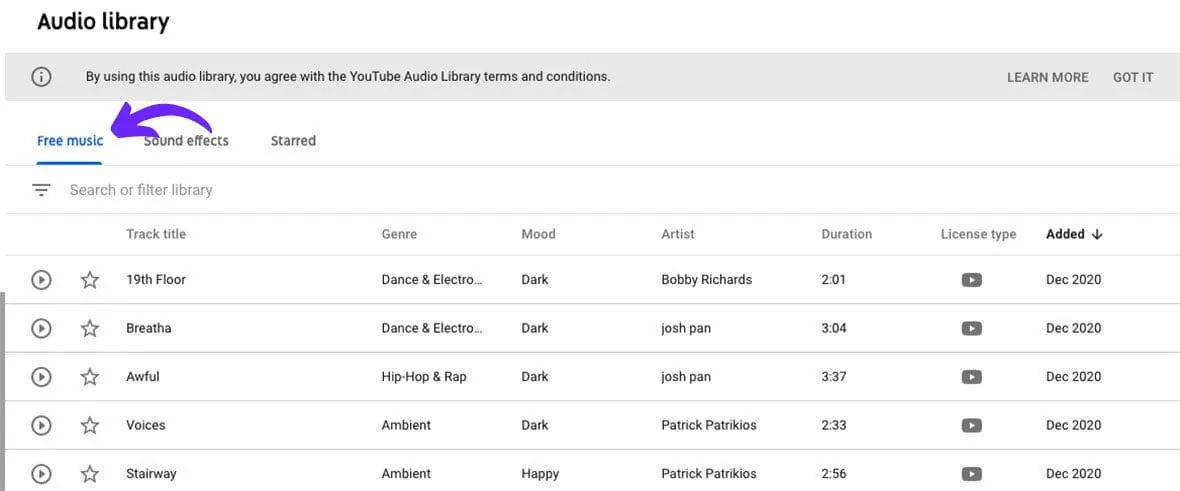
YouTube has an extensive library of tracks you can download and use for free. Here’s how to access it:
- Sign into YouTube with your Google account.
- Open YouTube Studio from the top-right corner.
- If you don’t have a channel yet, you’ll be prompted to create one. You don’t need any content or subscribers to use the library.
- Scroll to the Audio Library tab. You’ll find a bank of copyright-free music available for direct download.
- Filter by genre, mood and duration to find a track that fits your video.
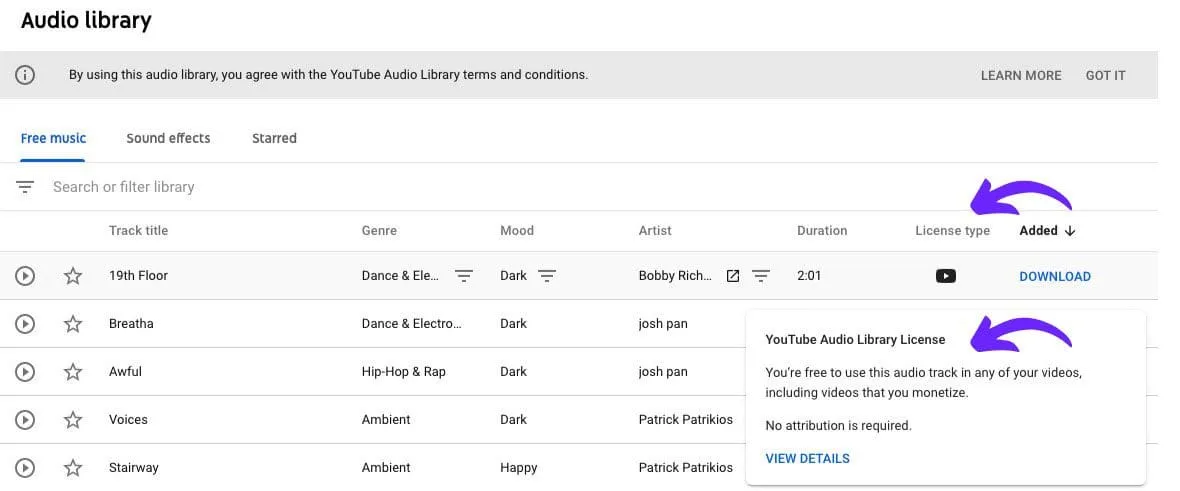
YouTube shows the attribution information for each track. Some require a simple credit link or title in your description; most are tagged No attribution required. The library also includes sound effects that are free to use, and it’s updated regularly, so the range of genres keeps improving.
Source 2: Filtering your searches on Soundcloud
Soundcloud is where a lot of independent artists and producers upload new music, and plenty of those tracks are cleared for commercial use. Most people never use the filter that surfaces them.
Here’s how to find royalty-free music on Soundcloud:
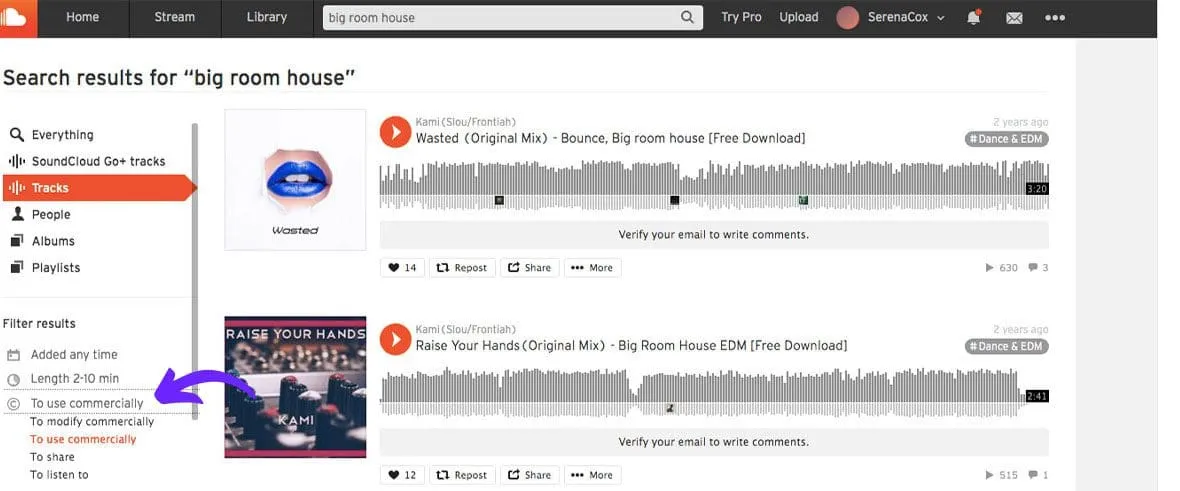
- Search for the genre you want in the search bar.
- Filter by the Commercial use tab and select To use commercially.
- The results are tagged copyright-free and can be used with proper attribution.
- Select To modify commercially if you also want to remix the track and make it your own.
One thing to watch: an artist who’s free to use today might get signed to a major label tomorrow, which can change the copyright status of their tracks. Before you commit, a quick search of the artist and song will usually tell you whether anything has been signed since. Otherwise, this is a strong way to find fresh tracks for commercial use with no upfront cost.
Source 3: Record labels that champion creative-commons music
Labels get a bad reputation on copyright, but not all of them are working against creators. Some are active advocates for creative-commons use, because letting creators use their music is one of the best ways for new artists to get discovered.
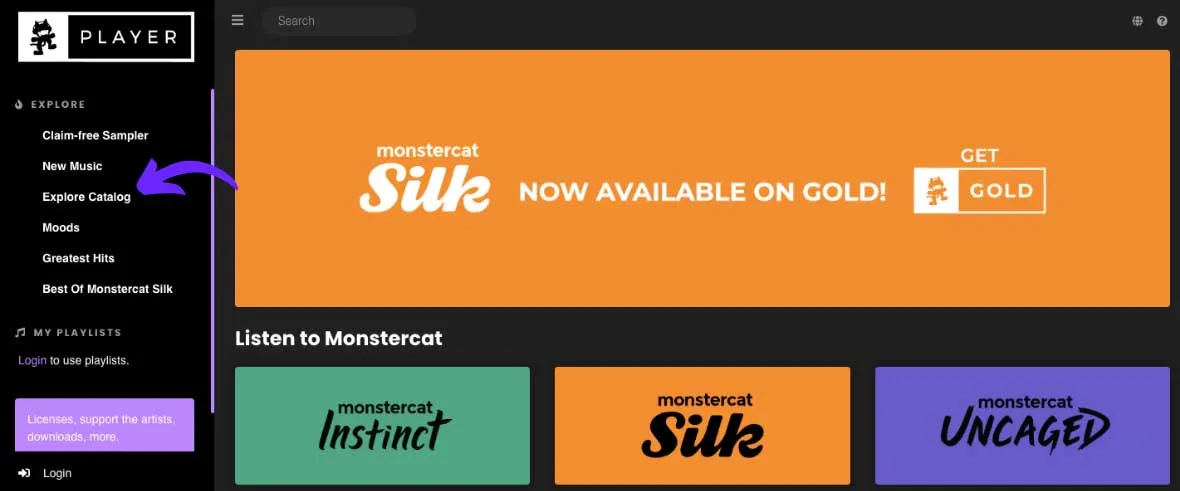
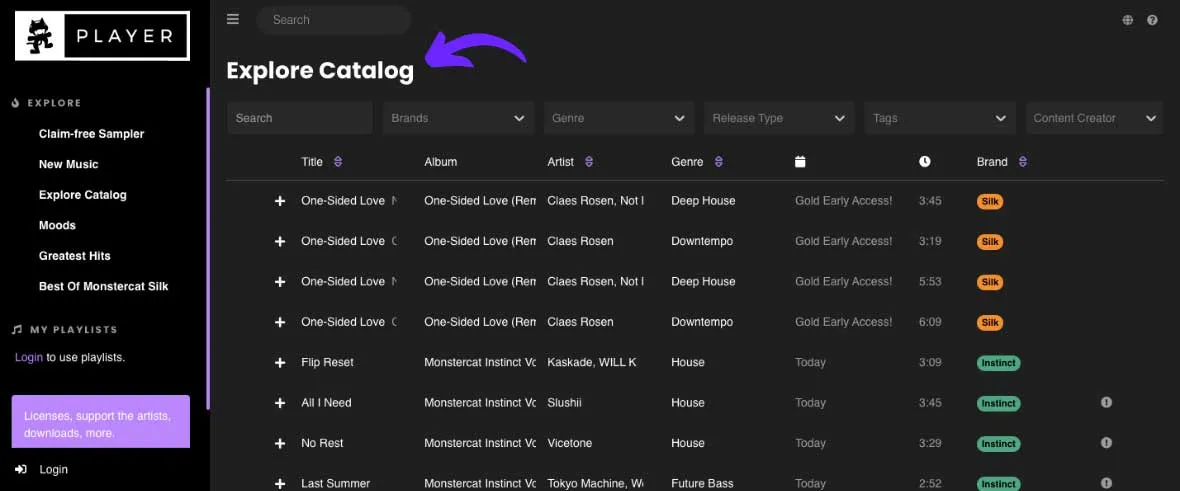
Monstercat is a clear example. It started by making part of its catalogue free for creators, and now offers its full catalogue for commercial use through the Monstercat licensing programme. Other labels running similar subscription-supported models include Liquicity and Spinnin’ Records, which also runs a YouTube channel dedicated to royalty-free tracks.
If electronic music isn’t your thing, it’s worth checking whether your favourite labels offer a comparable model or a catalogue of cleared music. More are doing it, because they understand how much reach a track can earn when creators are free to build with it.
Source 4: Subscription-based audio libraries
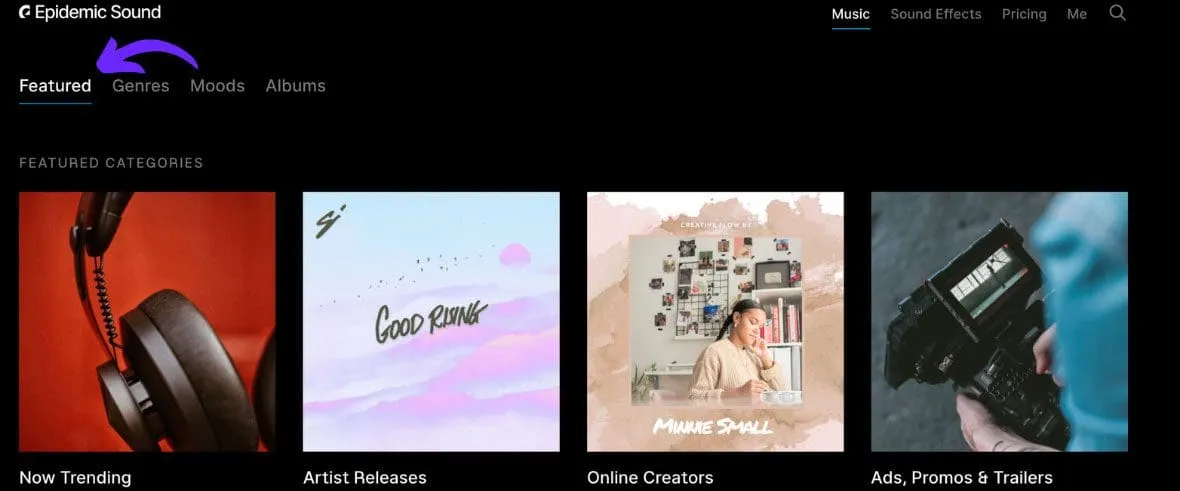
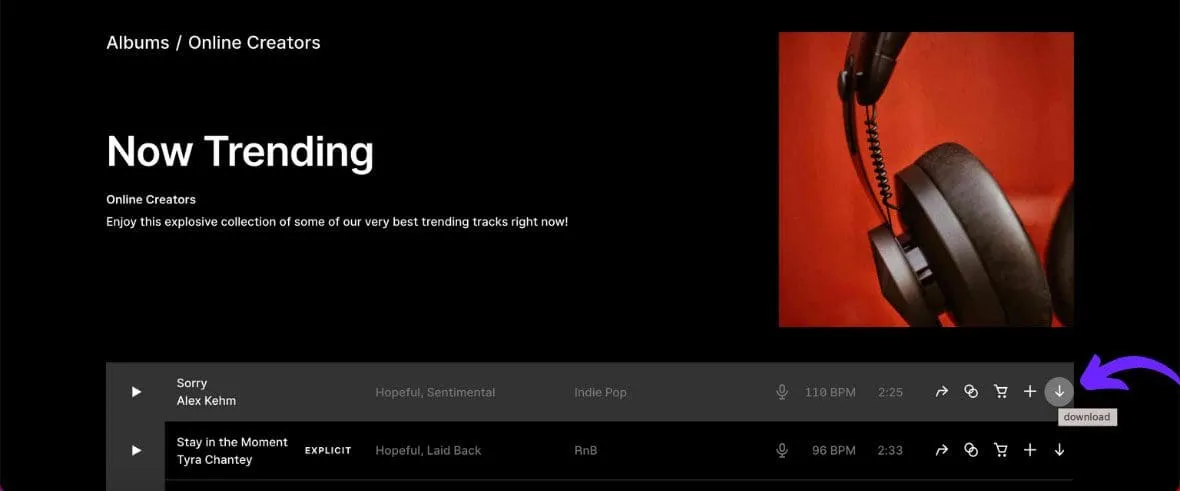
If you’ve ever searched “royalty-free music”, you’ve seen the ads for these. Subscription libraries give you access to a large catalogue of cleared music and sound effects for a recurring monthly fee.
The better ones are built specifically for content creators: unlimited downloads, clear control over monetisation, and tracks cleared for sponsored social posts. Useful if you’re publishing a high volume of video each week. Before subscribing, check the licence spells out commercial and social-media use in plain terms.
So why pay when free libraries exist? Two reasons: support and freshness. Paid libraries come with customer support that free ones don’t, and because the space is competitive, they update their catalogues constantly. The result is that you rarely come up empty when you need a specific sound.
How to stay on the right side of music licensing
Whichever source you use, three habits keep you safe:
- Read the licence, not the label. “Free” and “royalty-free” aren’t the same as “cleared for sponsored content”. Check the terms cover commercial and branded use specifically.
- Credit where it’s required. If a track needs attribution, add it to your description exactly as specified. Skipping it can invalidate the licence.
- Keep a record. Save the licence or download confirmation for each track. If a platform’s copyright system flags it by mistake, that proof is how you clear it fast.
FAQs
What is royalty-free music?
Royalty-free music is music you can use without paying an ongoing royalty each time the work is played or viewed. You may pay a one-off fee or a subscription, or use it free, but you don’t owe per-use royalties. Always confirm the licence covers commercial and sponsored use if that’s what you’re making.
Can I use royalty-free music in sponsored or monetised videos?
Often, but not always. It depends on the specific licence. Some royalty-free tracks are cleared only for personal or non-commercial use. Libraries like YouTube’s Audio Library make the commercial terms explicit, which is why they’re safer for branded content.
What happens if I use copyrighted music without a licence?
Platforms can mute the audio, block the video in some regions, demonetise it, or remove it entirely, and the rights holder can pursue further action. For monetised creators, even a temporary claim can cost real income, so it’s not worth the risk.
Great sound is part of the craft, and the craft is what brands pay for
Sourcing the right track is one of those small production decisions that separates content that feels professional from content that doesn’t. Get the licensing right and you protect every video you’ve worked on; get the music right and you make people feel something. Both matter more as your work starts carrying brand partnerships.
Vamp is a tech-enabled influencer marketing agency. We build the creator-led systems that connect brands with creators who treat every part of their craft, sound included, this seriously.