How creators can monetise their content on social media

Creators monetise content on social media in two broad ways: platform payouts (ad revenue, creator funds, gifts, subscriptions) and brand collaborations. The strongest creators stack several at once.
Brand deals are the most lucrative and the most sought-after route. But they are not the only one. Almost every major platform now pays creators directly, through a share of ad revenue, fan tipping, subscriptions or shopping commissions, and the eligibility bars and payout mechanics shift constantly.
This guide maps the ways to monetise content on social media in 2026, platform by platform, with the requirements you need to hit and how each feature actually pays.
The short version:
- Platform payouts reward you for posting: ad-revenue shares, gifts, subscriptions, commerce commissions.
- Brand collaborations pay you to create, and remain the highest-value income for most established creators.
- Eligibility bars move. Follower counts, watch-time and view thresholds change often; check the in-app requirements before you plan around them.
- Diversify. The creators who earn consistently rarely rely on a single platform or a single income stream.

How do creators make money on YouTube?
YouTube remains the most established monetisation platform, and the route in is the YouTube Partner Program. Once you’re in, you earn a share of the ads served against your videos, including Shorts.
The mechanics now run on two tiers:
- Early access: 500 subscribers, plus 3,000 valid public watch hours in the last year or 3 million valid public Shorts views in the last 90 days. This unlocks fan-funding features.
- Full monetisation: 1,000 subscribers, plus 4,000 watch hours in the last year or 10 million Shorts views in the last 90 days. This unlocks ad revenue.
Long-form ad revenue is split 55/45 in the creator’s favour. Shorts are paid from a monthly creator pool funded by ads in the Shorts feed and shared out by each channel’s proportion of views, after music-licensing costs are deducted, with creators keeping 45% of their allocation.
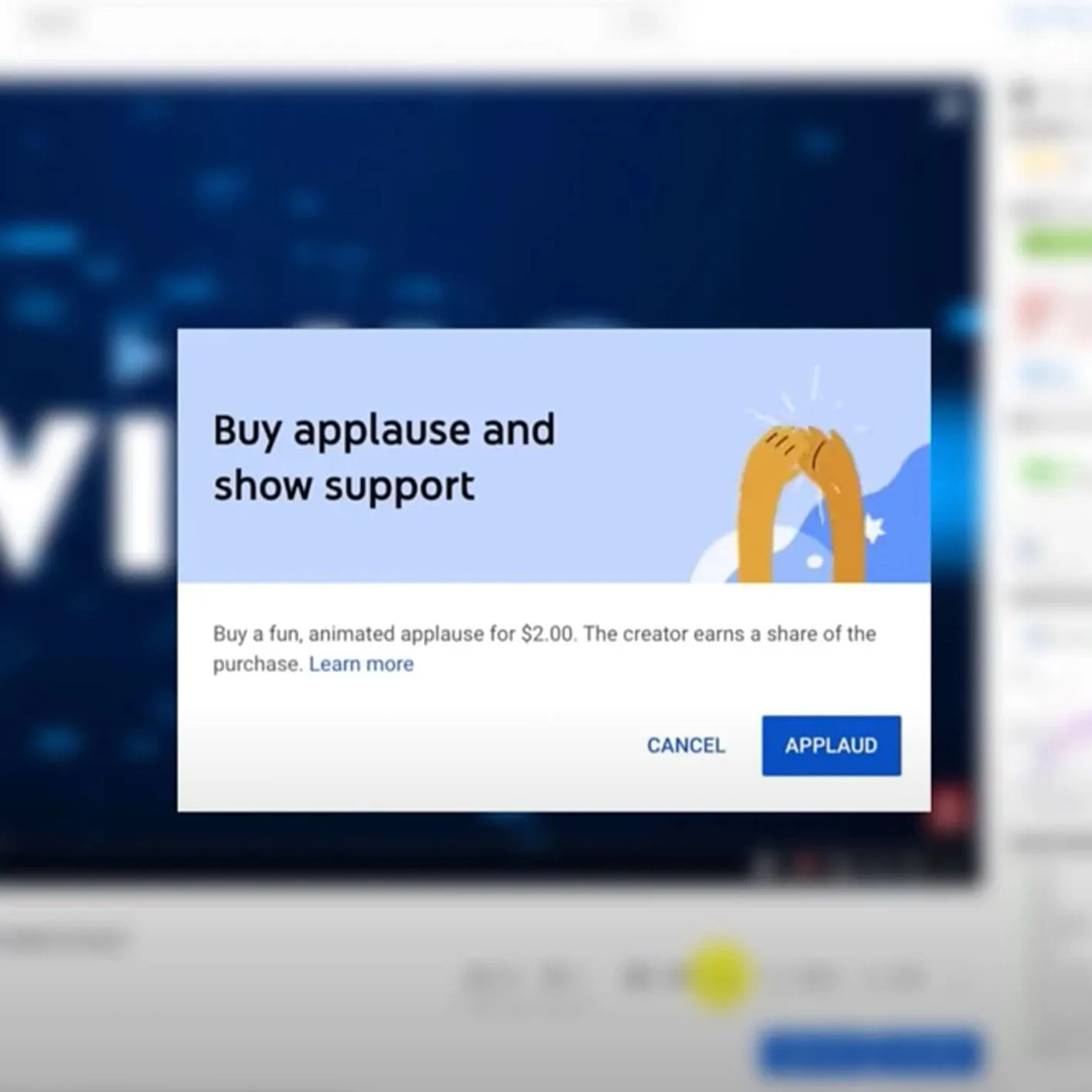
On top of ads, YouTube runs fan-funding tools, Super Thanks, Super Chat and Super Stickers, that let viewers tip or pay to stand out in live chats and comments. These replaced the older “Applause” experiment and are available to eligible Partner Program creators.
How do creators make money on TikTok?
TikTok has overhauled how it pays creators. The old Creator Fund, which paid a fraction of a cent per thousand views, has been retired in favour of the Creator Rewards Program, which rewards original content over one minute long and pays meaningfully more per qualified view.
To qualify for Creator Rewards you generally need 10,000 followers and 100,000 video views in the last 30 days, and your content has to clear a quality and originality bar. Payouts scale with qualified views and engagement, and tend to run higher in some categories than others.
Beyond Rewards, TikTok offers several direct-payment routes:
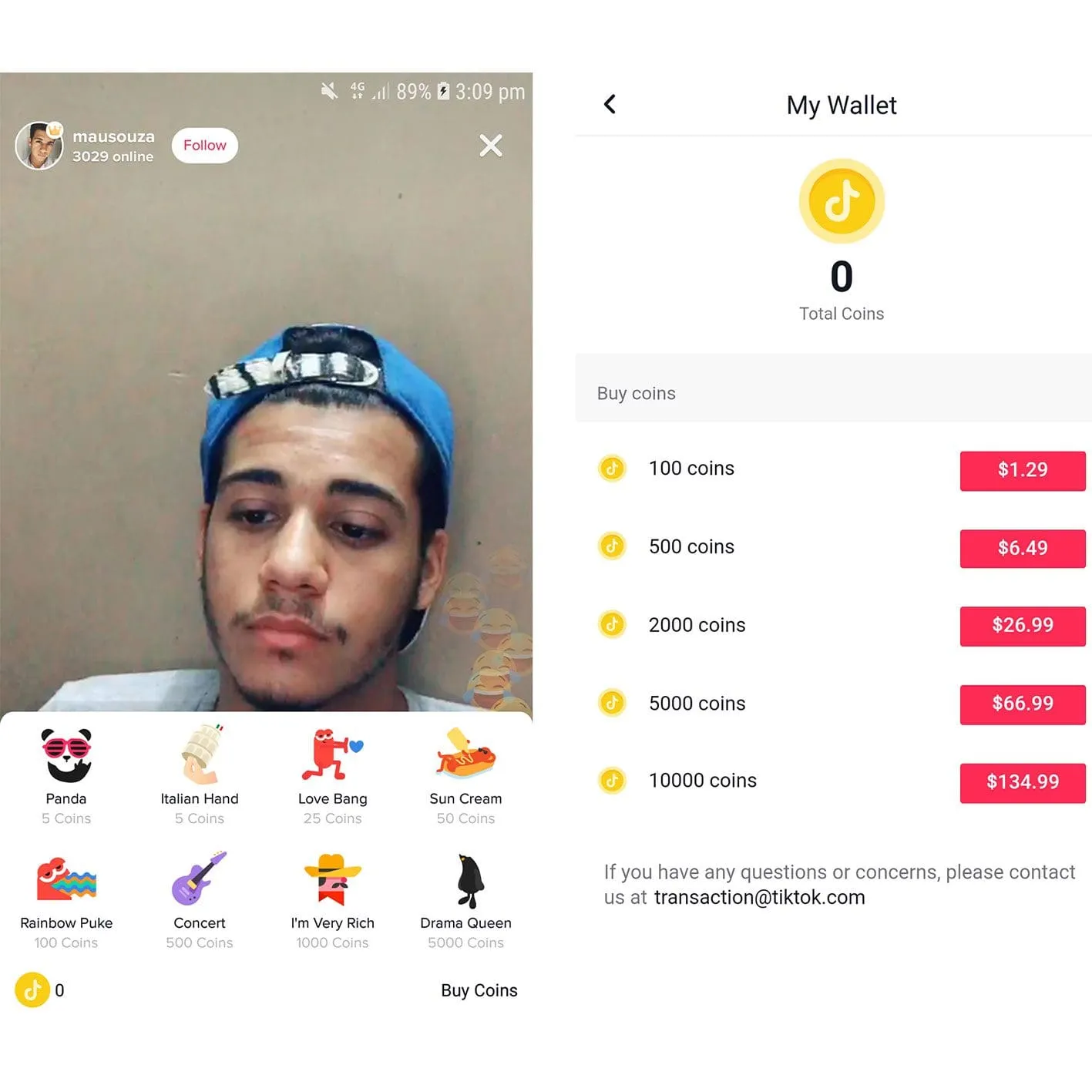
- LIVE and Video Gifts: viewers buy coins and send virtual gifts that convert to Diamonds, which you withdraw as cash. The bar here is low (around 1,000 followers for LIVE).
- TikTok Shop: sell or affiliate products directly in-app, typically from around 5,000 followers.
- Subscriptions and Series: charge fans monthly for perks or sell premium, paywalled video collections.
The through-line: TikTok now wants longer, original content and rewards it across multiple surfaces rather than one flat fund.
How do creators make money on Instagram?
Instagram has consolidated its creator monetisation around a handful of features. The standalone IGTV app and its in-stream ads are gone; long-form video now lives inside the main app, and the income comes from elsewhere.
The routes that matter in 2026:
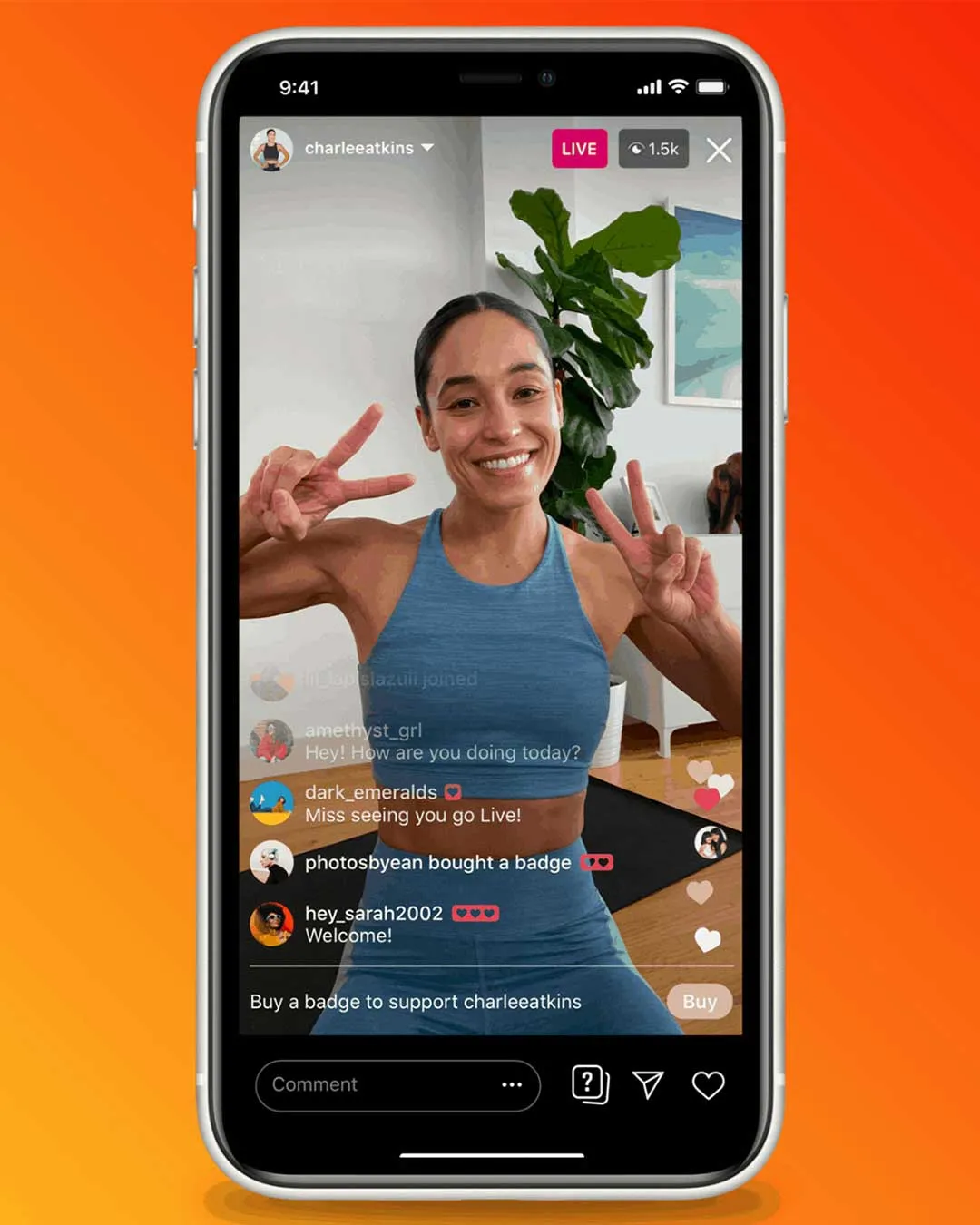
- Gifts and Stars: viewers send paid gifts on Reels and during LIVE, converting to revenue for you. This is the descendant of the old Live Badges.
- Subscriptions: fans pay a monthly fee for exclusive Stories, Lives, Reels and a subscriber badge.
- Branded content and the paid partnership tag: the disclosed, professional layer of brand deals, and still the biggest earner for most established Instagram creators.
- Invite-only bonus programmes: Instagram periodically runs performance bonuses in select regions; treat them as upside, not a foundation, because they come and go.
Eligibility and availability vary by country and account type, so check what’s live in your region inside Professional Dashboard before you build a plan around any one feature.
How do creators make money on Facebook?
Facebook continues to pay video creators through in-stream ads placed inside longer videos and reels, alongside its own gifts and subscription tools. To access in-stream ads you’ll need to meet thresholds around followers, recent video watch-time and a minimum number of active or previously live videos, and your content must comply with Facebook’s content monetisation policies.
Because Facebook and Instagram monetisation are managed through the same Meta systems, creators active on both can often manage payouts and eligibility in one place, useful if you’re distributing the same content across both.
How do creators make money on Pinterest?
Pinterest’s early $500k Creator Fund pilot has run its course, and the platform’s monetisation has matured into commerce. With more than 500 million monthly users, most of them in a buying mindset, Pinterest leans on shoppable content and affiliate-style product tagging.
Creators can tag products inside their Pins, much like an affiliate link, and earn a cut of the purchases they drive. Pinterest also periodically runs creator rewards that pay for high-quality, engaging content that hits specific goals. Video Pins are the platform’s fastest-growing format, so that’s where the attention, and the commerce, is concentrated.
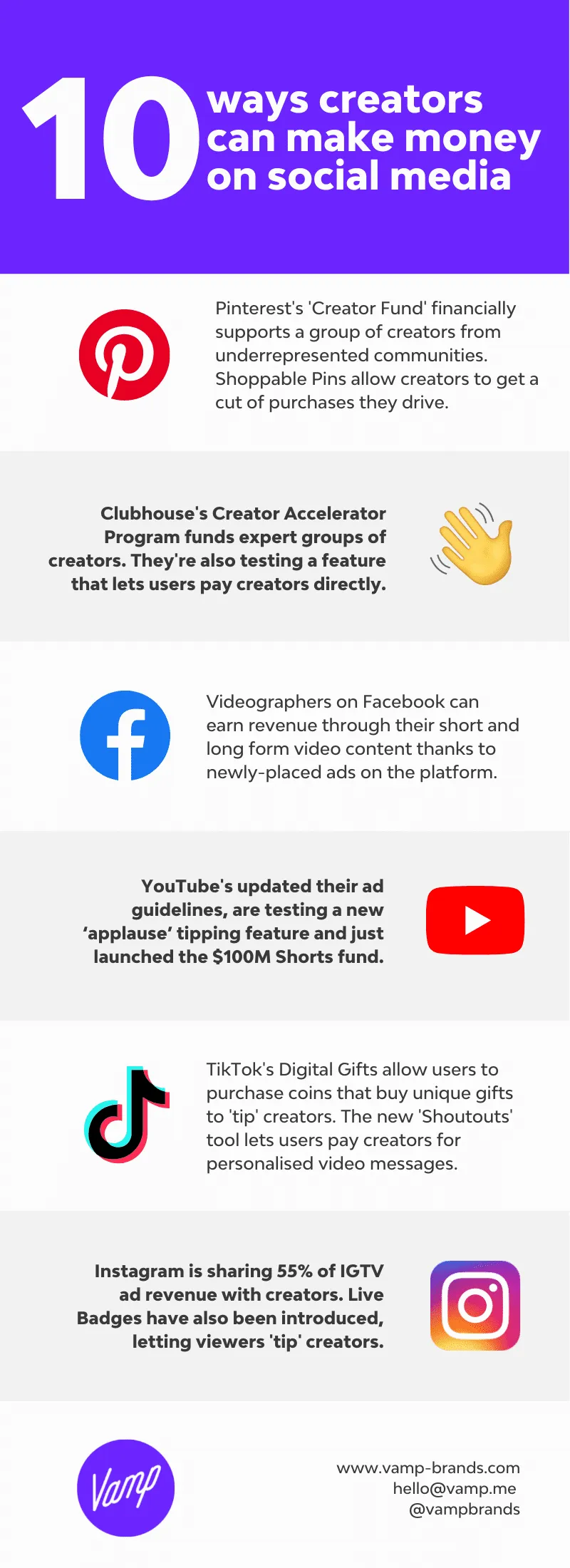
The infographic: monetisation features at a glance
Here’s a no-nonsense overview of the monetisation routes across the major platforms:
Why brand collaborations still pay best
Platform payouts are useful, but they reward volume. You need scale before a revenue share or a gift economy adds up to real income, and that is a different arrangement from the revenue share and equity creator partnership models brands negotiate directly with creators. Brand collaborations work differently. A single paid partnership can be worth more than a month of ad-pool payouts, and the value compounds: brands return to creators who deliver, and a track record of professional, well-disclosed work makes the next deal easier to win.
This is where the creator economy is heading. As the creator economy has grown into one of the fastest-growing categories of small business, brands have stopped treating creators as one-off media buys and started building ongoing relationships with them. The creators who benefit most are the ones who behave like a business: consistent output, a defined niche, clean rights and disclosure, and reliable delivery.
That’s the shift worth understanding. Brands no longer want a single post. They want creators who can be part of a system that produces content, distribution and credibility over time. At Vamp, that’s exactly how we work: we’re a tech-enabled influencer marketing agency that builds creator-led growth programmes for brands, and that means paid, ongoing collaborations rather than one-off asks. The more professionally you operate, the more you look like a partner brands want to keep.
FAQs
What’s the easiest way for a creator to start earning?
Fan-funding features, gifts, tips and LIVE rewards, have the lowest barriers, often just a few hundred to a thousand followers. They won’t replace an income on their own, but they’re the quickest way to turn an engaged audience into early revenue while you build towards ad shares and brand deals.
How many followers do you need to monetise content on social media?
It depends on the route. Some affiliate and gifting features start at zero to a thousand followers; ad-revenue programmes on YouTube and TikTok typically want 500–10,000 followers plus watch-time or view thresholds. Brand collaborations can start far smaller if your audience is engaged and your niche is clear. Relevance often matters more than raw size.
Should creators rely on one platform or several?
Several. Platform rules, payout rates and eligibility bars change frequently, and features get retired without much notice. Diversifying across platforms and across income types, payouts, commerce and brand deals, is the difference between a stable creator business and one exposed to a single algorithm change.
Do brands really pay more than platform payouts?
For most established creators, yes. Platform payouts reward scale and consistency; brand collaborations reward relevance and trust, and a single deal often outvalues weeks of ad-pool earnings. The two work best together. Payouts keep the lights on while you build the relationships that pay properly.
The takeaway
Monetising content on social media is no longer about one feature or one platform. It’s about stacking payouts, commerce and brand work into something resilient. Platform tools come and go; the creators who last treat their channel like a business and build relationships that compound. Done that way, influence stops being a series of one-off posts and starts behaving like infrastructure, the same shift the brands worth working with are making too.