Ramadan marketing: a complete guide for social media marketers
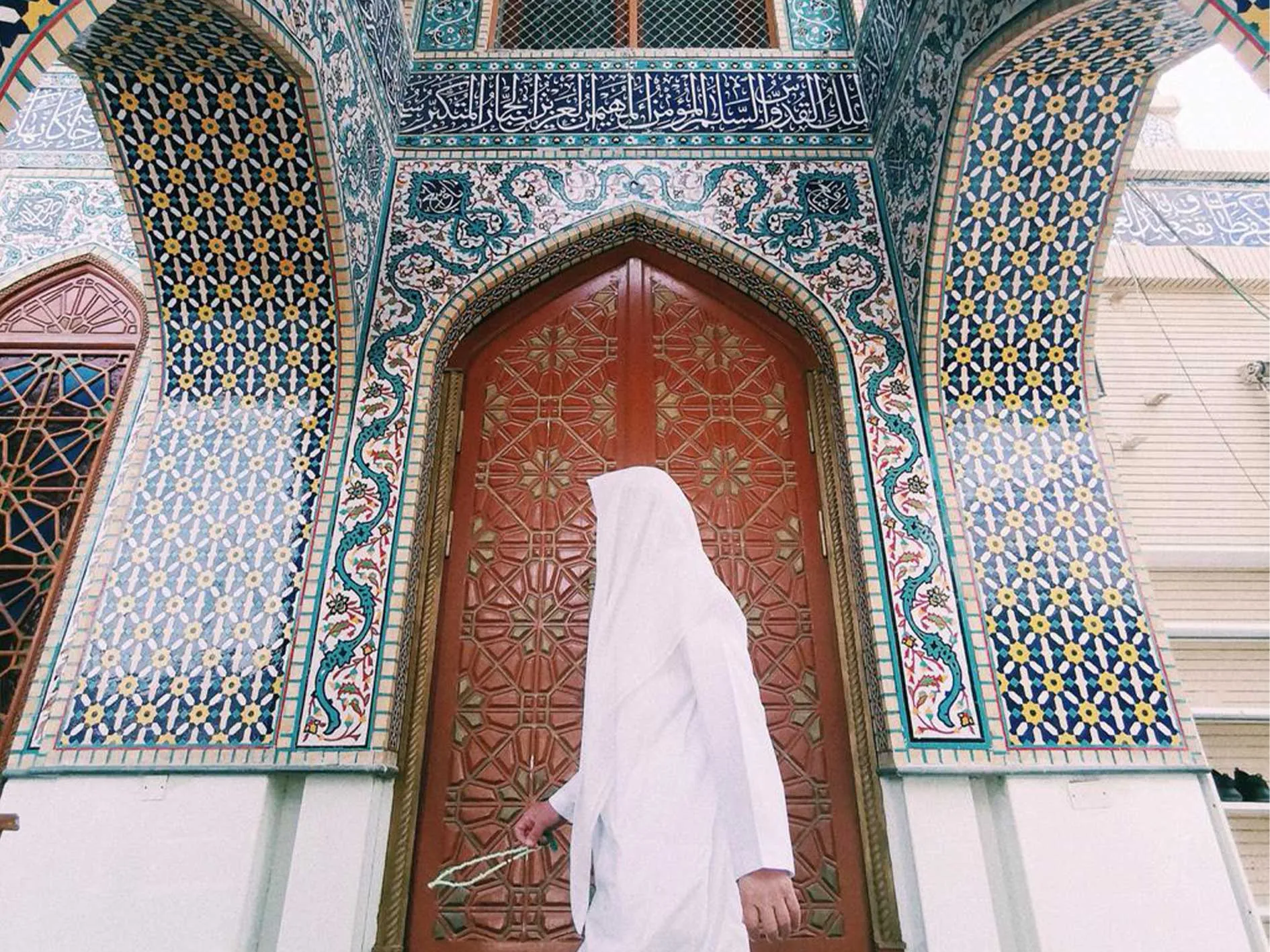
Ramadan marketing is how brands earn relevance with a global Muslim audience whose behaviour, and spending, shifts dramatically for one month a year.
Done well, it builds long-term equity with a community of nearly two billion people. Done badly, it’s a moon graphic and a generic greeting that lands as an afterthought.
This guide covers what Ramadan is, when it falls, why it matters commercially, and how to connect through social media without tokenism, including where creators do the heavy lifting.
The short version:
- Ramadan is Islam’s holiest month; most of the world’s roughly 1.9 billion Muslims observe it, fasting from dawn to sunset.
- Daily routines shift, and so does buying: food, fashion, gifting, travel and electronics all see uplifts.
- Attention moves online and late at night, peaking around 3am. Plan your content and commerce around that rhythm.
- The brands that win don’t decorate a campaign for the season. They build genuinely relevant content, and they let creators tell the story.
What is Ramadan, and when is it in 2026?
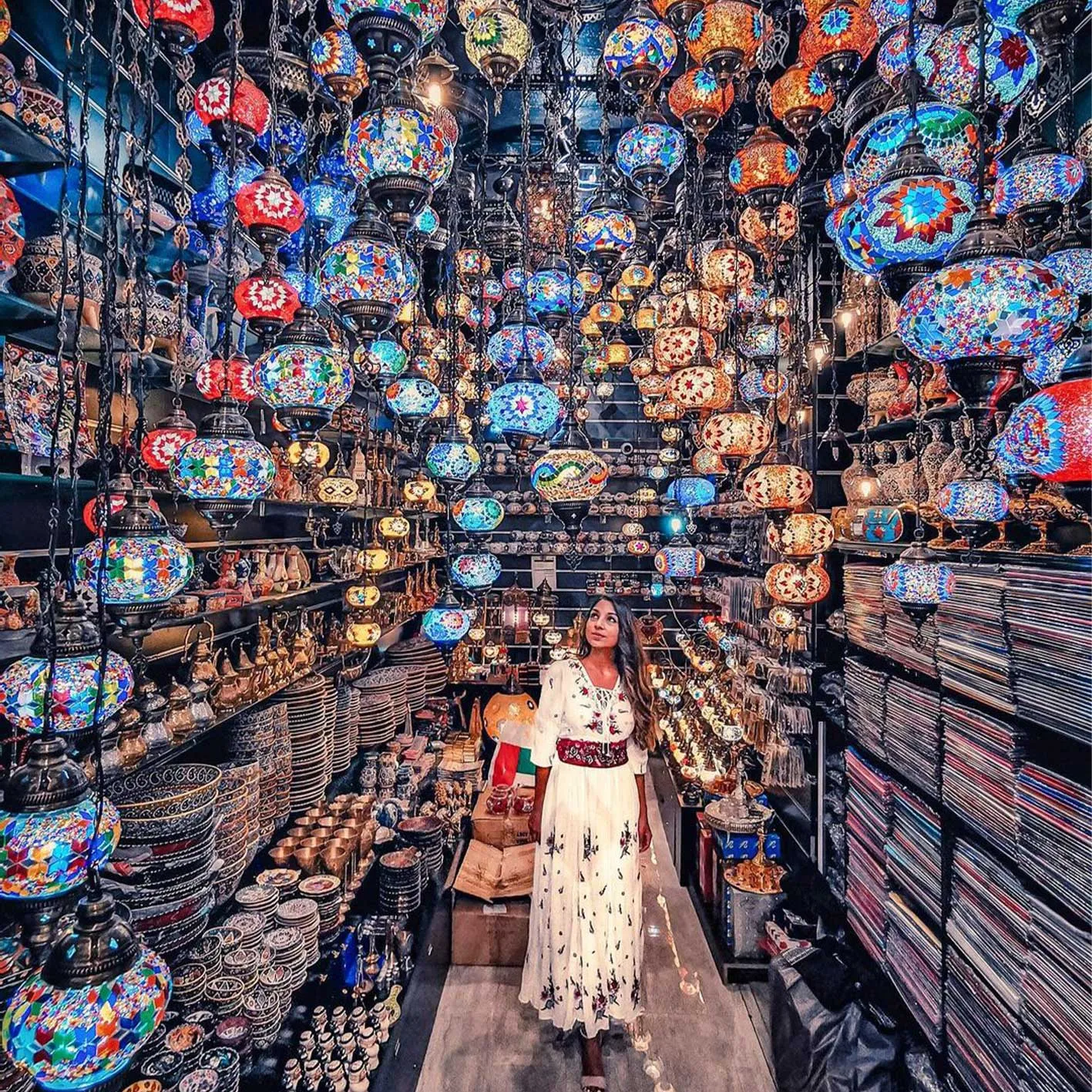
Ramadan is the most sacred month of the year in Islam. Most of the world’s roughly 1.9 billion Muslims observe it. Throughout Ramadan, Muslims fast every day from dawn to sunset, but it’s also a month of reflection, generosity and gathering, when families come together to break the fast each evening at iftar. It closes with Eid al-Fitr, the three-day Festival of the Breaking of the Fast.
Ramadan follows the lunar calendar, so it moves earlier by about 11 days each year. In 2026 it is expected to run from around the evening of 17 February to 19 March, with Eid al-Fitr beginning on or around 20 March. Exact dates depend on the sighting of the moon, so confirm locally as the month approaches.
For marketers, that timing matters: planning starts weeks ahead, because so does the audience’s. Search and content consumption climb well before the first fast.
Why does Ramadan matter for marketers?
Because behaviour change drives buying behaviour, and Ramadan changes behaviour at scale.
When daily routines shift, purchasing shifts with them. Planning food for family gatherings, buying new clothes for Eid, gifting, booking travel, upgrading devices for all those extra hours online: uplifts appear across multiple categories at once.
Food and cooking sit at the centre of it. Grocery shopping steps up in the weeks before the month even begins, and households bring forward bigger purchases like kitchen and home appliances to be ready for a month of hosting. Searches for recipes and desserts spike sharply through the month.
Fashion follows close behind. Brands including Mango, COS and Oscar de la Renta have built dedicated Ramadan collections. Even when celebrations were disrupted by the pandemic, demand for Islamic fashion held up. In some markets, searches for traditional clothing rose by thousands of per cent during Ramadan.
The spend is significant. Ogilvy’s The Great British Ramadan report estimated that Muslims in the UK spend around £200m across the Ramadan season, and the UK’s Muslim community contributes an estimated £31bn to the economy each year. This is not a niche moment to nod at. It’s a commercial window that rewards brands who show up with intent.

How can brands connect through social media during Ramadan?
Don’t add a crescent moon and call it Ramadan content. Relevance is earned, not decorated. Three principles separate the brands that build equity from the ones that get ignored.
Understand your audience, and the rhythm of their month
Ramadan reshapes how, when and what people consume. Cooking content climbs in the run-up: Google reports that YouTube cooking videos rise in the month before Ramadan, peaking around 30% above average in the first week. Plan for that appetite, and plan for the fact that your audience may be fasting, tired or short on time when they see you. Clear, useful, easy-to-act-on content wins.
It’s also a market that feels under-served. Ogilvy found that 62% of UK Muslims say brands don’t serve them well during Ramadan. That’s not a problem. That’s an opening. Show genuine understanding through content formats and themes that add value to the month, rather than borrowing its imagery for a generic message.
Tell an inclusive story, let creators lead it
Storytelling is the most credible way to prove you understand the nuance of Ramadan, and creators are the ones who can tell it with authority. They live the month. They speak to communities you can’t reach with a brand handle, in a voice those communities already trust. This is where influence stops being a campaign add-on and starts doing real work.
Vamp has connected brands with creators across a range of Ramadan campaigns, proof of how versatile creator-led content can be in the moment:
- Dole Food Company worked with creators to position its products as a healthy, tasty treat for families through Ramadan and Eid.
- Beauty brand Laneige used creators to share its Ramadan kits through high-quality images and video, reaching a social audience of over 1M.
- TikTok asked Vamp creators to share their Ramadan moments and drive followers to the platform, generating almost 99k clicks.
- Honor invited Vamp creators to broadcast live on Instagram, showcasing its 9X phone, Magic Watch and Earbuds to engaged audiences in real time.
Relatable, first-person content like this breaks through at exactly the time audiences are most inundated, and it builds relationships that outlast the campaign.
Build for social commerce, and for the timing
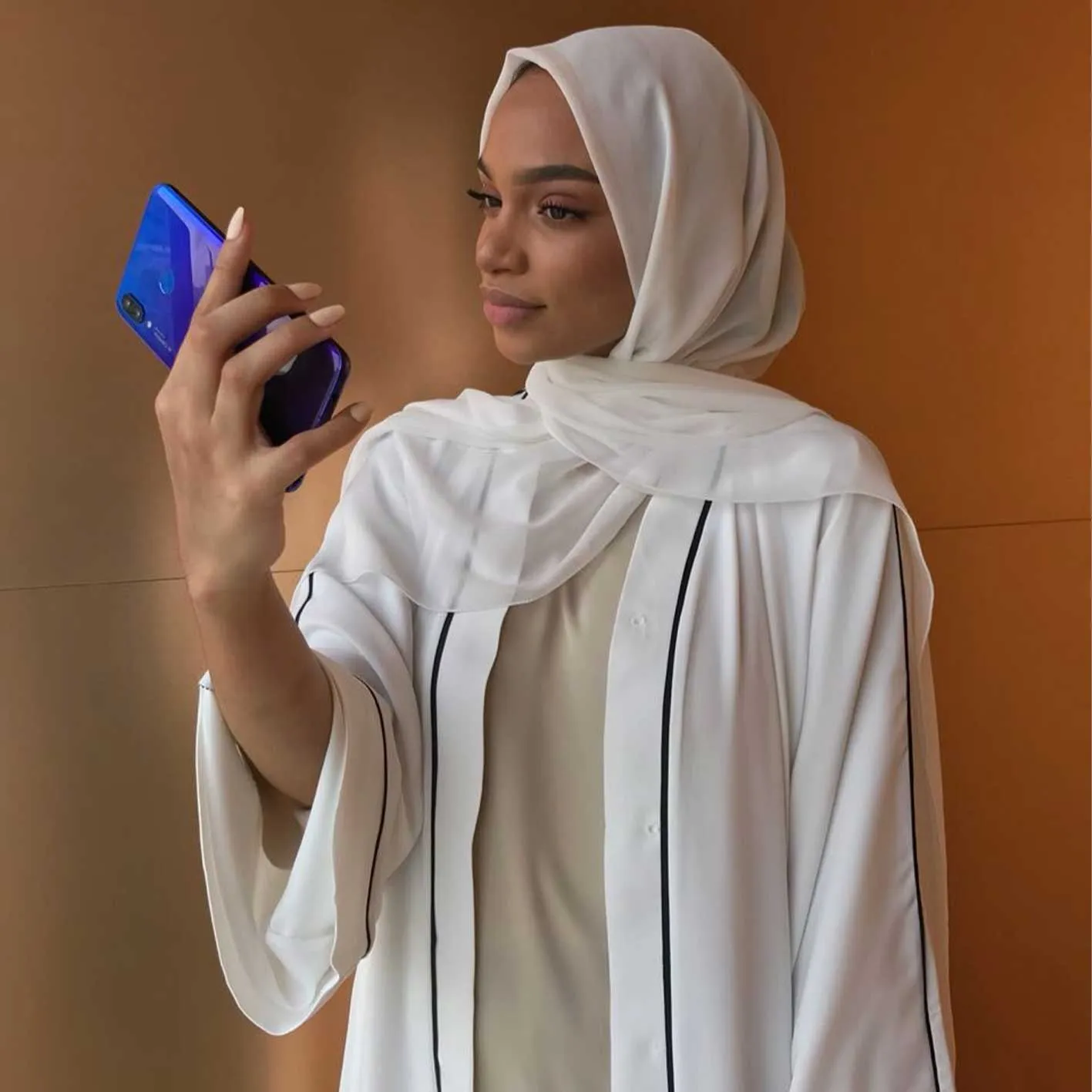
During Ramadan, people spend even more time on social. Later nights and more downtime mean meaningful jumps in platform usage, small percentages that translate into tens of millions of additional hours across a region.
Audiences are on those platforms for connection and entertainment, but also for discovery and shopping. Meet that intent: tag shoppable products in feed posts and Stories so people can buy the moment inspiration strikes. If you’re already investing in creator content, put media behind the strongest of it. Boosting lets you target it with precision and add a clear path to purchase.
Then build around the clock. Much of the extra usage happens late at night, with engagement peaking around 3am as people eat, relax and unwind. Schedule your most relevant content for those windows, when a fasting, captive audience is most receptive.
How we see it
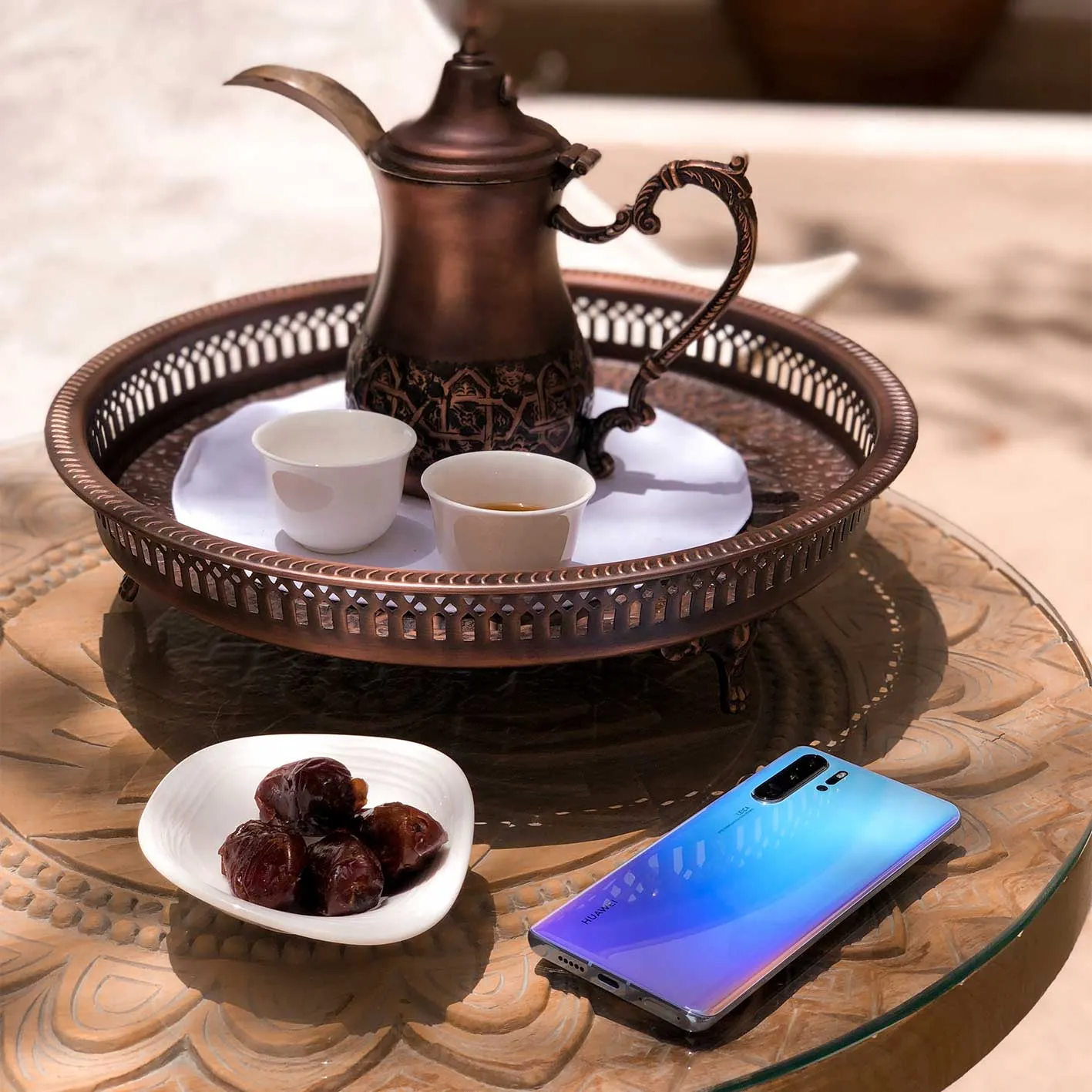
Ramadan exposes the difference between marketing at a moment and building for a community. A seasonal graphic is a campaign. A creator network that understands the month, content built around real behaviour, and commerce timed to the audience’s day: that’s a system. The brands that treat Ramadan as a yearly tactic start from zero every February. The ones that treat it as part of an always-on relationship with a community compound their relevance year on year.
FAQs
When is Ramadan in 2026?
Ramadan 2026 is expected to run from around the evening of 17 February to 19 March, with Eid al-Fitr beginning on or around 20 March. Because dates depend on the sighting of the moon, confirm them locally as the month nears, and start planning content weeks ahead, because consumption climbs before the first fast.
Which product categories see the biggest Ramadan uplift?
Food and groceries, fashion (especially traditional and occasion wear for Eid), gifting, household appliances and electronics, and travel. Cooking and recipe content in particular surges in the weeks before and during the month.
How should brands work with creators during Ramadan?
Partner with creators who genuinely live and understand the month, and let them tell the story in their own voice. Authentic, first-person content earns trust with communities that are sceptical of brands borrowing Ramadan’s imagery for generic messaging.
When is the best time to post during Ramadan?
Late evening and overnight perform strongly, with engagement often peaking around 3am as people eat, relax and stay up later than usual. Build a posting and commerce schedule around that nocturnal rhythm rather than standard daytime windows.
Relevance is the harder, more valuable problem
Knowing when Ramadan falls and which categories spike is table stakes. Turning a cultural moment into genuine, compounding relevance with a community, without tokenism, and across the right creators, content and commerce, is the harder problem, and it’s the one we solve.
Vamp is a tech-enabled influencer marketing agency. We design creator-led growth systems and run the partnerships behind them, so seasonal moments like Ramadan build long-term equity instead of one-off impressions. Talk to us.